


The untold story of J.M.W. Turner's friend and greatest rival, pioneering watercolour artist Thomas Girtin
Richard Appignanesi Reihenfolge der Bücher (Chronologisch)
Richard Appignanesi ist ein Autor und Herausgeber, der für seine erfolgreichen Comic-Serien für junge Leser bekannt ist. Seine Arbeit zeichnet sich durch die Fähigkeit aus, klassische literarische Werke und Themen in visuell ansprechende Formate zu adaptieren und macht so komplexe Literatur einer neuen Generation zugänglich. Er hat sich auf Manga-Adaptionen von Shakespeares Stücken spezialisiert und bewahrt dabei den Geist der Originale, während er sie für zeitgenössische Zielgruppen verständlicher macht. Sein Ansatz unterstreicht die Kraft des visuellen Storytellings und sein Potenzial zur Interpretation und Popularisierung literarischer Klassiker.


The Wolf Man : graphic Freud
- 170 Seiten
- 6 Lesestunden
Based on his most famous case study - that of Russian aristocrat,Sergei Pankejeff - Sigmund Freud recounts the history of anobsessional neurosis. Pankejeff's troubling dream of a walnut tree full of white wolves earned him the title of 'The Wolf Man'. Pankejeff is one of five clinical case histories from which Freud extrapolated his theories of transference, the Oedipus complex, super-ego and psychosexual development. Freud's now classic psychoanalytic writing blurred the boundary between science and literature, which continues to provoke fierce debate to this day.

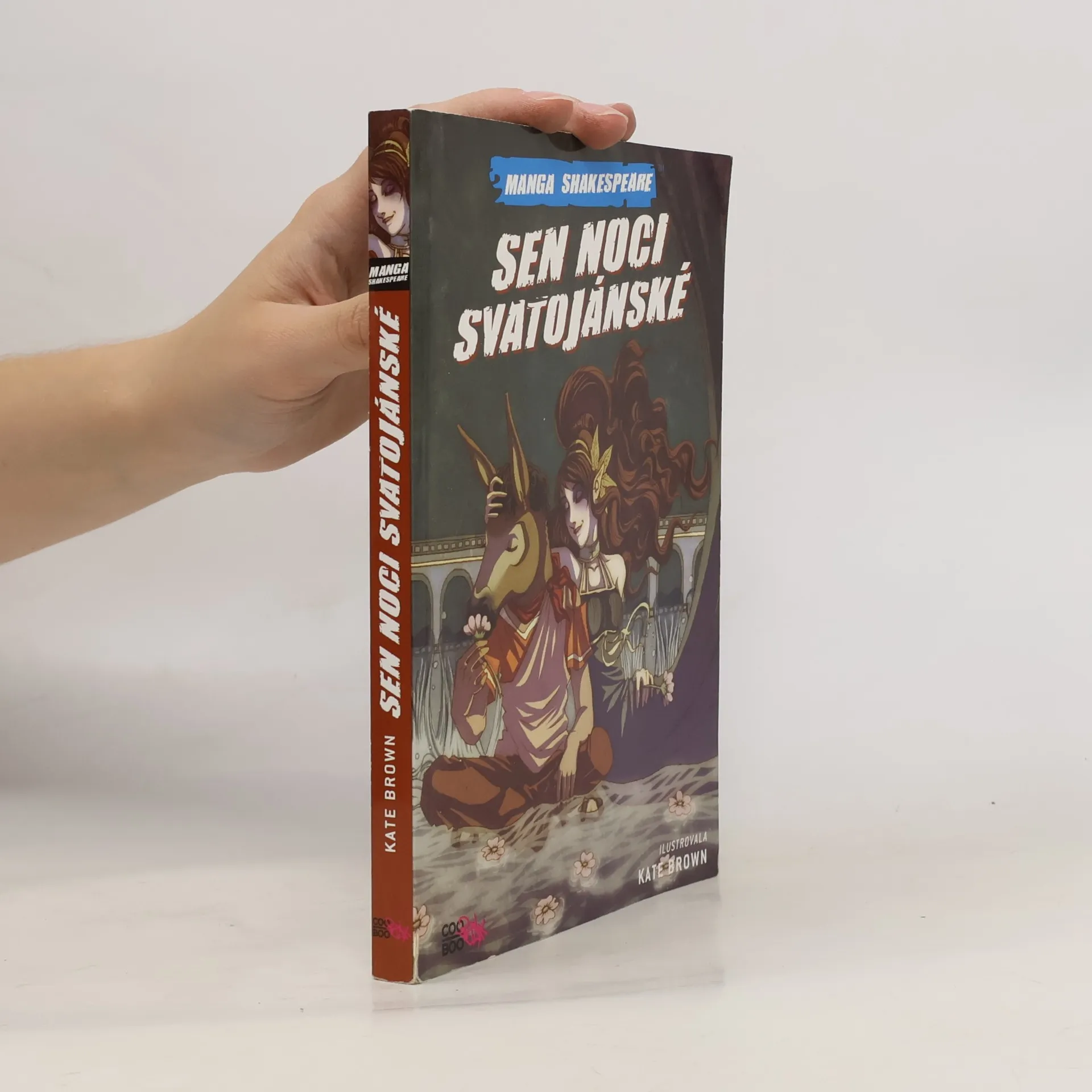
Manga Shakespeare: Sen noci svatojánské
- 208 Seiten
- 8 Lesestunden
„Čtyři noci utečou jak sen," říká královna Amazonek Hippolyta v jedné z nejslavnějších Shakespearových komedií, která se všemi svými náhlými zvraty, proměnami postav a nepřetržitým proudem okouzlující fantazie sama uteče jak sen. Adaptace, která propojuje klasický shakespearovský jazyk v brilantním překladu Martina Hilského s moderním, dynamickým grafickým stylem japonské mangy, se odehrává v současných Aténách, ale přesto z velké části zachovává antický ráz, který námětu přísluší. Výsledkem je představivostí hýřící snový svět, kde se staré a nové prolíná s překvapivou lehkostí. Sen noci svatojánské je čtvrtým svazkem edice Manga Shakespeare, která představuje dílo největšího světového dramatika a básníka prostřednictvím japonské mangy. Důraz přitom neklade jen na vizuální styl, ale dbá i na krásu Shakespearova jazyka a na dramaturgické zpracování každé hry. Edici Manga Shakespeare tak ocení všichni, kteří se chtějí seznámit s nádherně barevným, krutým i laskavým světem Shakespearových her, ale nechce se jim chodit do divadla či sáhnout po „pouhém" neilustrovaném textu.
»Was ist genau die Moral des ›Lear‹? Offenbar gibt es zwei. Die eine ist die gewöhnliche, die des gesunden Menschenverstandes, wie sie der Narr ausspricht: Verzichte nicht auf Macht! Gib dein Land nicht weg! Die andere Moral ist in der Geschichte implizit enthalten: Gib dein Land weg, wenn du willst; aber erwarte nicht, dass du dadurch glücklich wirst. Wahrscheinlich wirst du nicht glücklich. Wenn du für andere lebst, musst du für andere leben und darfst dir nicht auf diese Weise hintenherum selbst einen Vorteil verschaffen wollen.« George Orwell Sprachen: Deutsch, Englisch
The Merchant of Venice. Der Kaufmann von Venedig
- 224 Seiten
- 8 Lesestunden
Der Kaufmann von Venedig zählt zwar - wegen des glücklichen Endes - zu Shakespeares Komödien, aber die dominierende Figur des Juden Shylock trägt offenbar Züge, die das Stück durchaus der Tragödie annähern. Venedig und Belmont bilden zudem zwei faszinierende Gegenwelten, aus denen das „Problemstück“ seine dramatische Spannung bezieht.
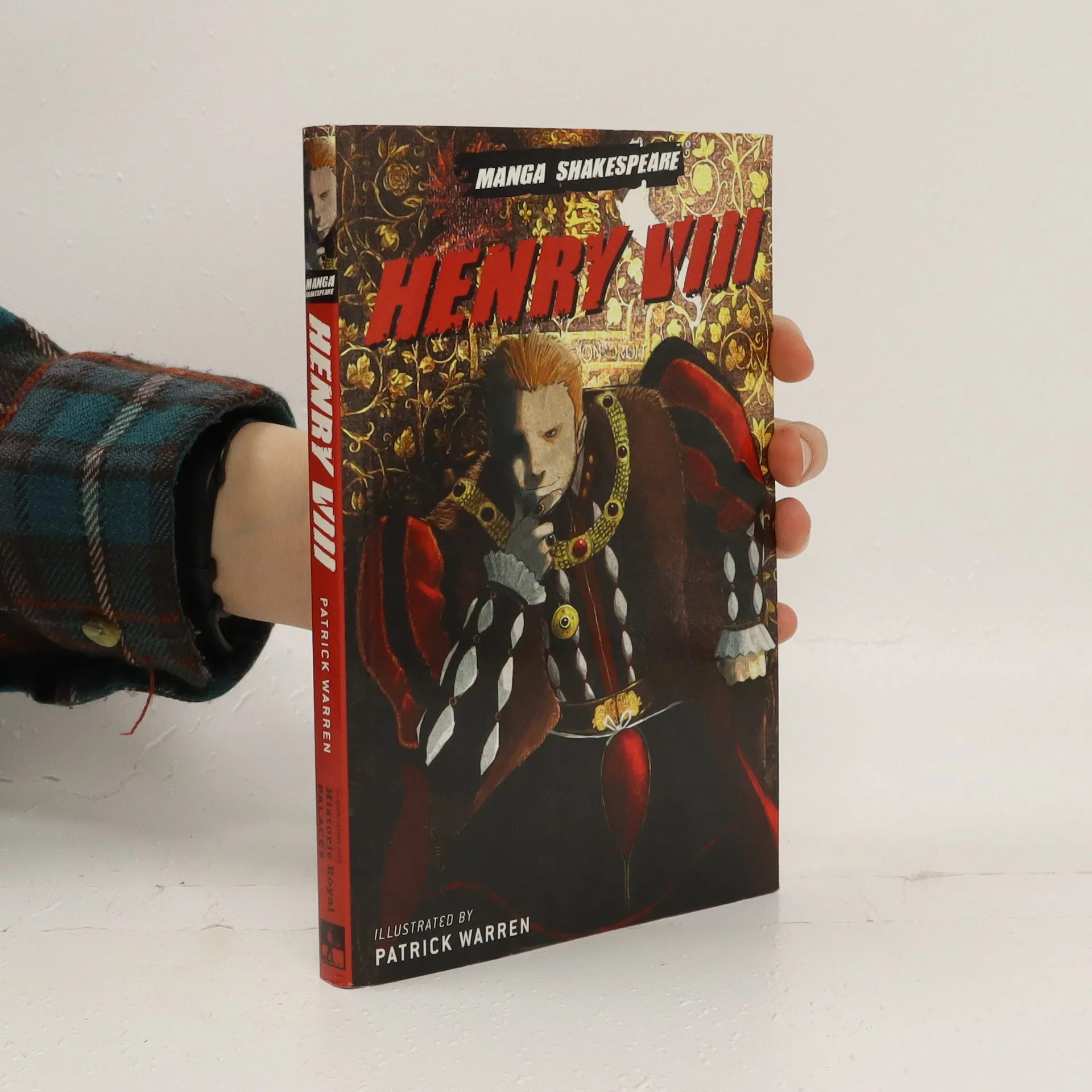
Manga Shakespeare: Henry VIII.
- 208 Seiten
- 8 Lesestunden
YA. Graphic Novel. Latest title in this series of graphic novel adaptations of the works of Shakespeare, sympathetically abridged and adapted, and with cutting-edge manga artwork by Patrick Warren.
Manga Shakespeare: Julius Caesar
- 208 Seiten
- 8 Lesestunden
An adaptation of Shakespeare's Julius Caesar retold as a manga-style comic.
"A Midsummer Night's Dream" is one of Shakespeare's most renowned plays, celebrated for its diverse staging possibilities. The work explores the relationships between genders in various societal contexts and a magical fairy realm. These relationships range from passionate love to strictly arranged marriages. The multitude of characters and layers of action creates a vibrant cosmos that culminates in comedic and fantastical harmony. The story follows Theseus, the ruler of Athens, who intends to force Egeus' daughter Hermia to marry Demetrius, but she loves Lysander and flees with him. Hermia's friend Helena, who is in love with Demetrius, betrays their escape. In the forest, a group of craftsmen rehearses a play to honor Theseus' wedding to Hippolyta. There, the fairy king Oberon and his sprite Puck create confusion with the juice of a magical flower: Titania falls in love with a transformed donkey, and both Lysander and Demetrius become infatuated with Helena, leading to a series of humorous entanglements.
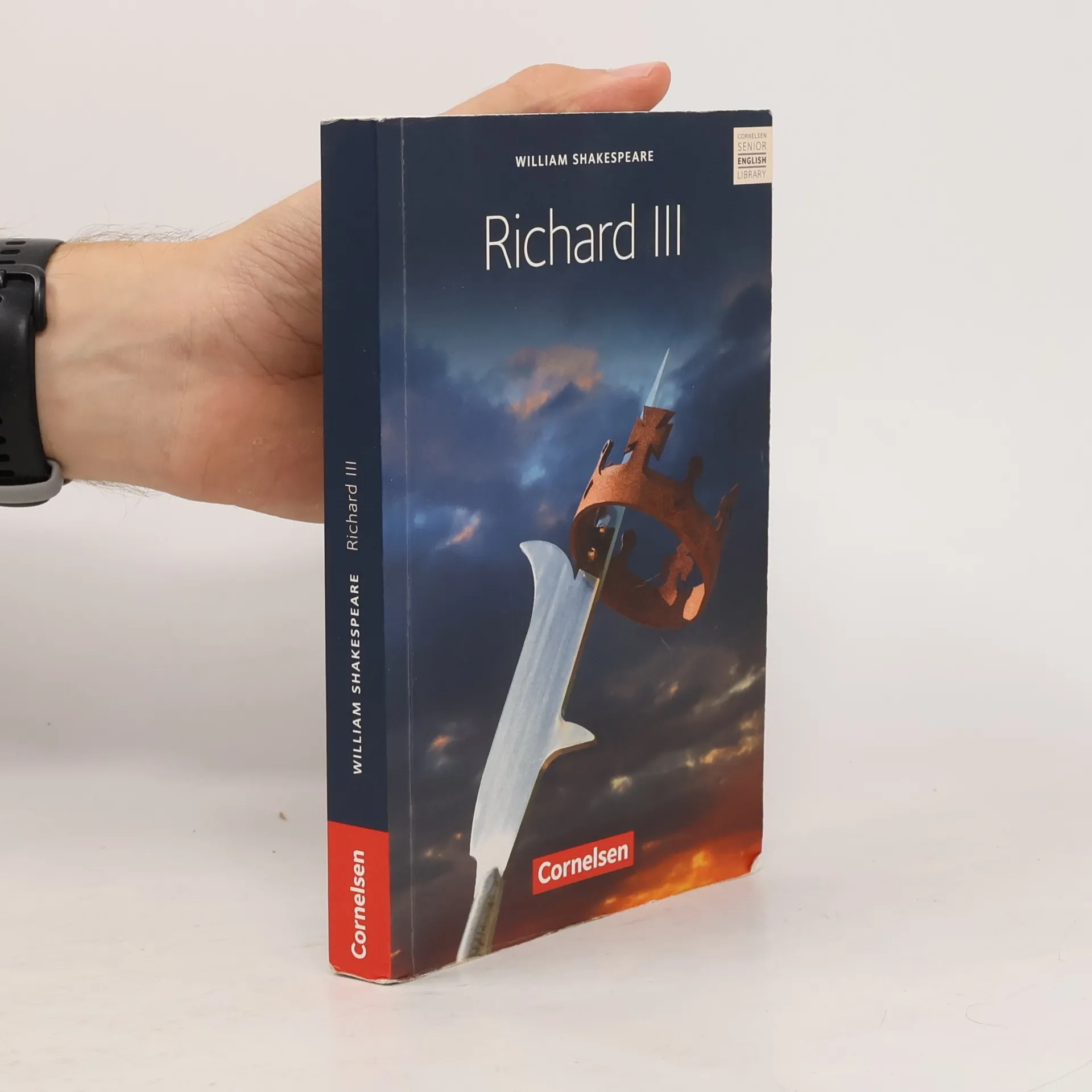
This edition of Richard III features seven scenes, opening with the Duke of Gloucester’s villainous “Winter of our discontent” speech and followed by his audacious wooing of Lady Anne. Queen Margaret’s chilling curses, Richard’s string of murders, and the haunting chants of his victims’ ghosts are stage drama at its best. The climax is a gripping battle in which the Earl of Richmond slays Richard and becomes King of England. There is also an essay by editor Nick Newlin on how to produce a Shakespeare play with novice actors, and notes about the original production of this abridgement at the Folger Shakespeare Library’s annual Student Shakespeare Festival. The edition includes a preface by Nick Newlin, containing helpful advice on presenting Shakespeare in a high school setting with novice actors, as well as an appendix with play-specific suggestions and recommendations for further resources.
Excerpt from Hamlet Bomtio. Dal), pah! Sie kommt nid. Bernardo. Sim indessen! Easst Uns Sturm out uer*0hr nad) einmal lauten. About the Publisher Forgotten Books publishes hundreds of thousands of rare and classic books. Find more at www.forgottenbooks.com This book is a reproduction of an important historical work. Forgotten Books uses state-of-the-art technology to digitally reconstruct the work, preserving the original format whilst repairing imperfections present in the aged copy. In rare cases, an imperfection in the original, such as a blemish or missing page, may be replicated in our edition. We do, however, repair the vast majority of imperfections successfully; any imperfections that remain are intentionally left to preserve the state of such historical works.
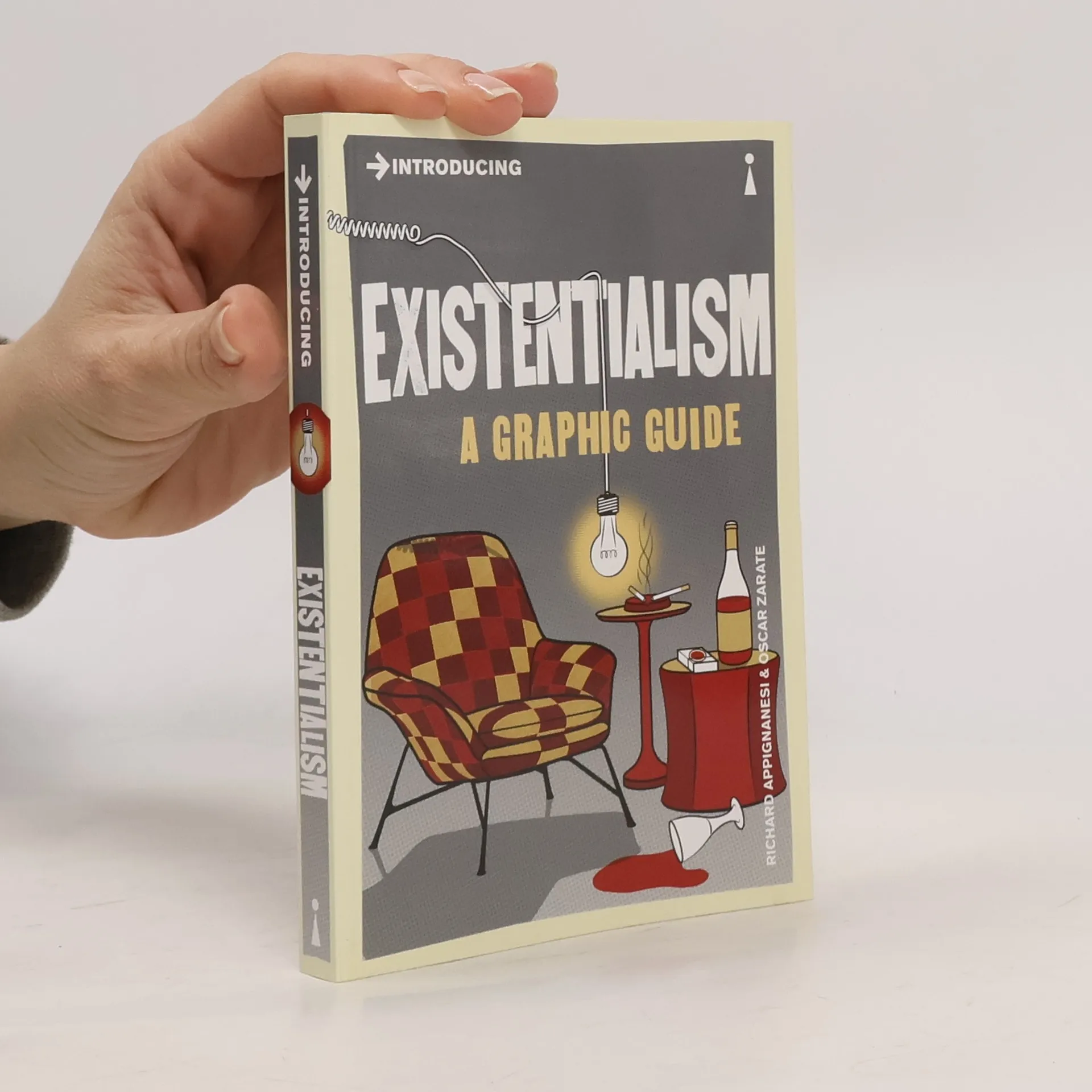
Introducing Existentialism. A Graphic Guide
- 178 Seiten
- 7 Lesestunden
An erudite investigation of the philosophical and cultural movement that prioritises individual experience.
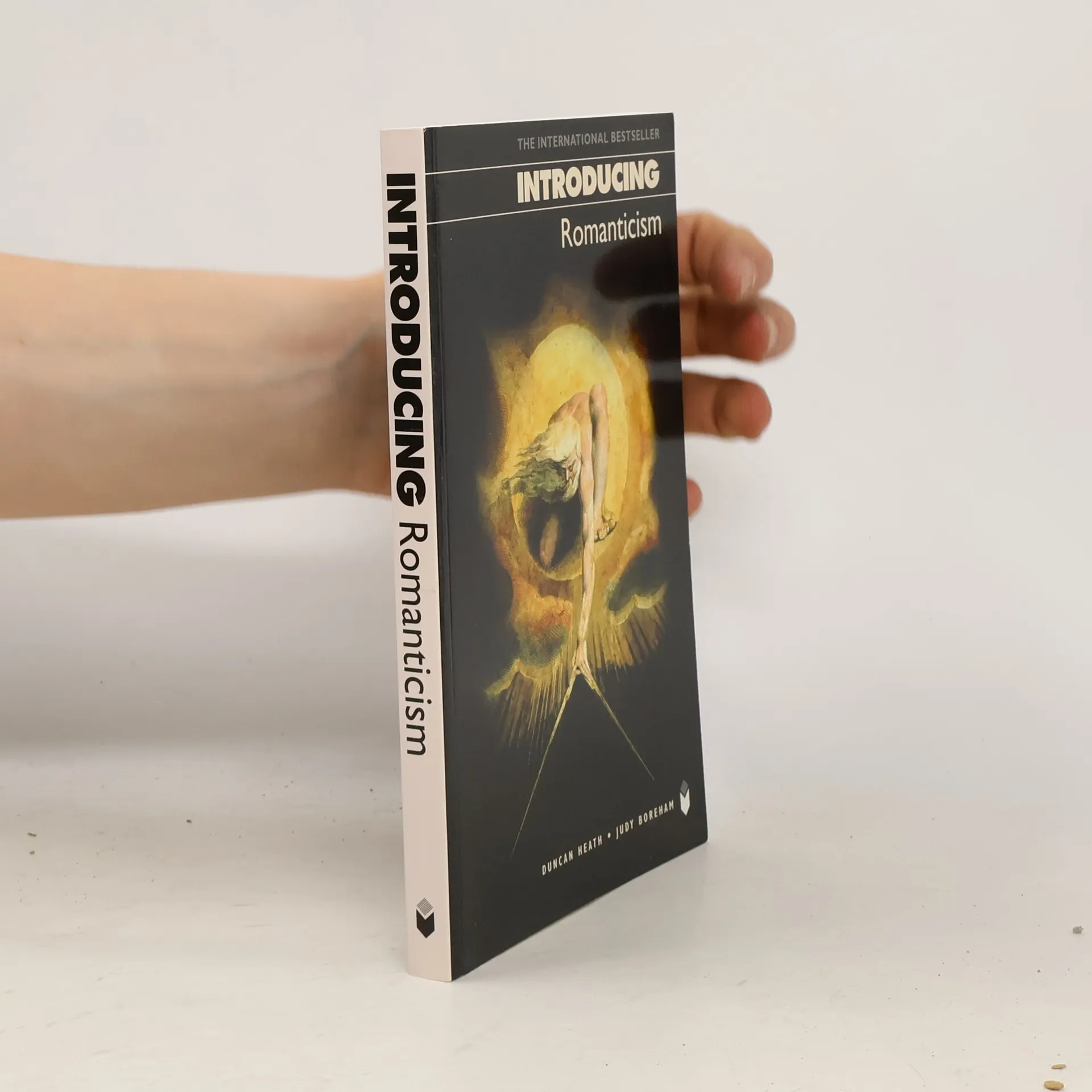
Introducing Romanticism
- 176 Seiten
- 7 Lesestunden
Gives readers an accessible overview of the many interlocking strands of the movement, focusing on the leading figures in Britain, Germany, France, America, Italy and Russia.
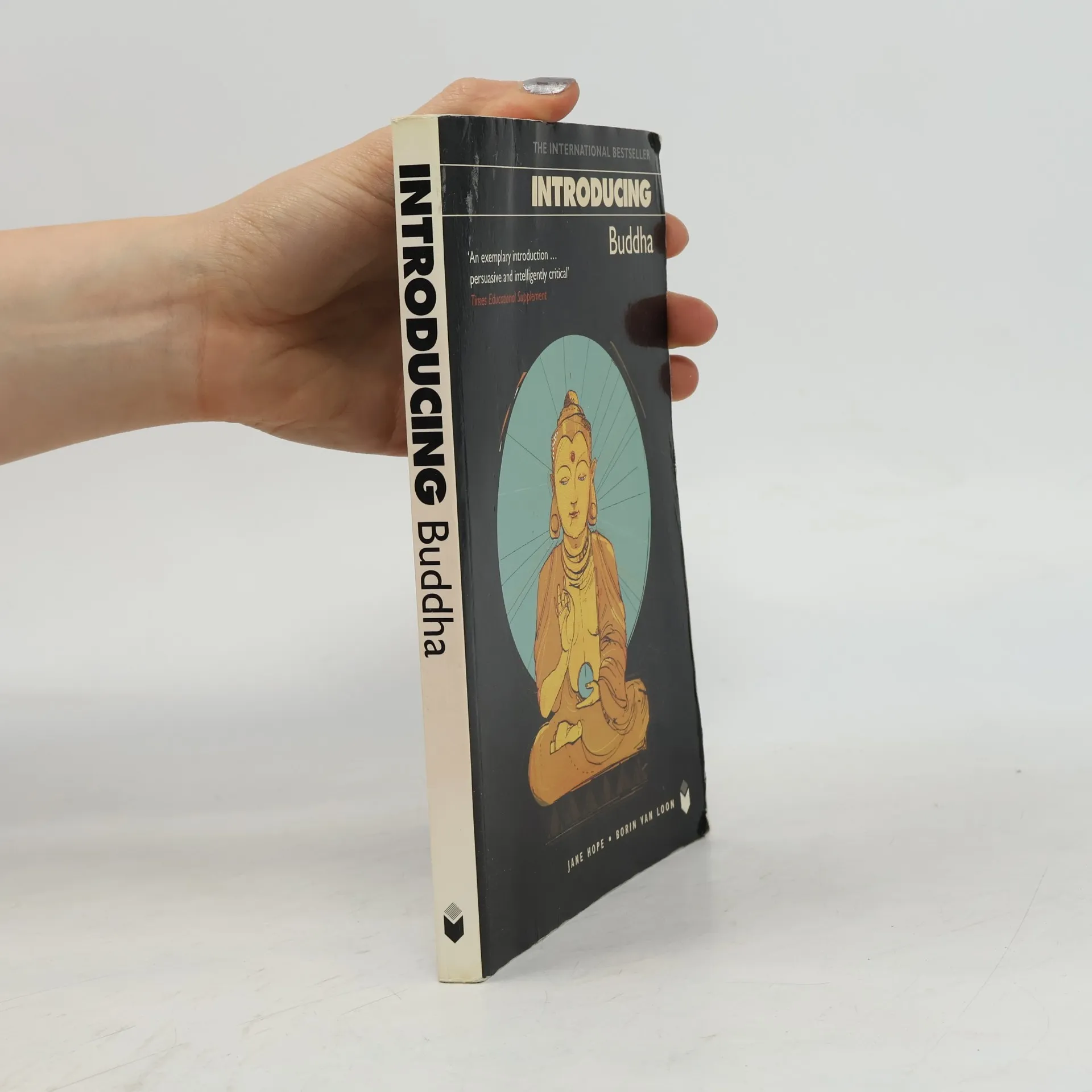
Introducing Buddha
- 176 Seiten
- 7 Lesestunden
Text and cartoon illustrations introduce the life and teachings of Buddha and examine enlightenment and meditation.
Provides an incisive tour through this complex subject, charting its origins in Britain and its migration to the U.S.A.
Introducing Evolution
- 176 Seiten
- 7 Lesestunden
Introducing Evolution takes a fresh look at the often misunderstoof concepts of natural selection and the selfish gene. Drawing on the latest findings from genetics, ecology and animal behavior a string of examples reveals how the evidence in favor of evolutionary theory is stronger than ever.
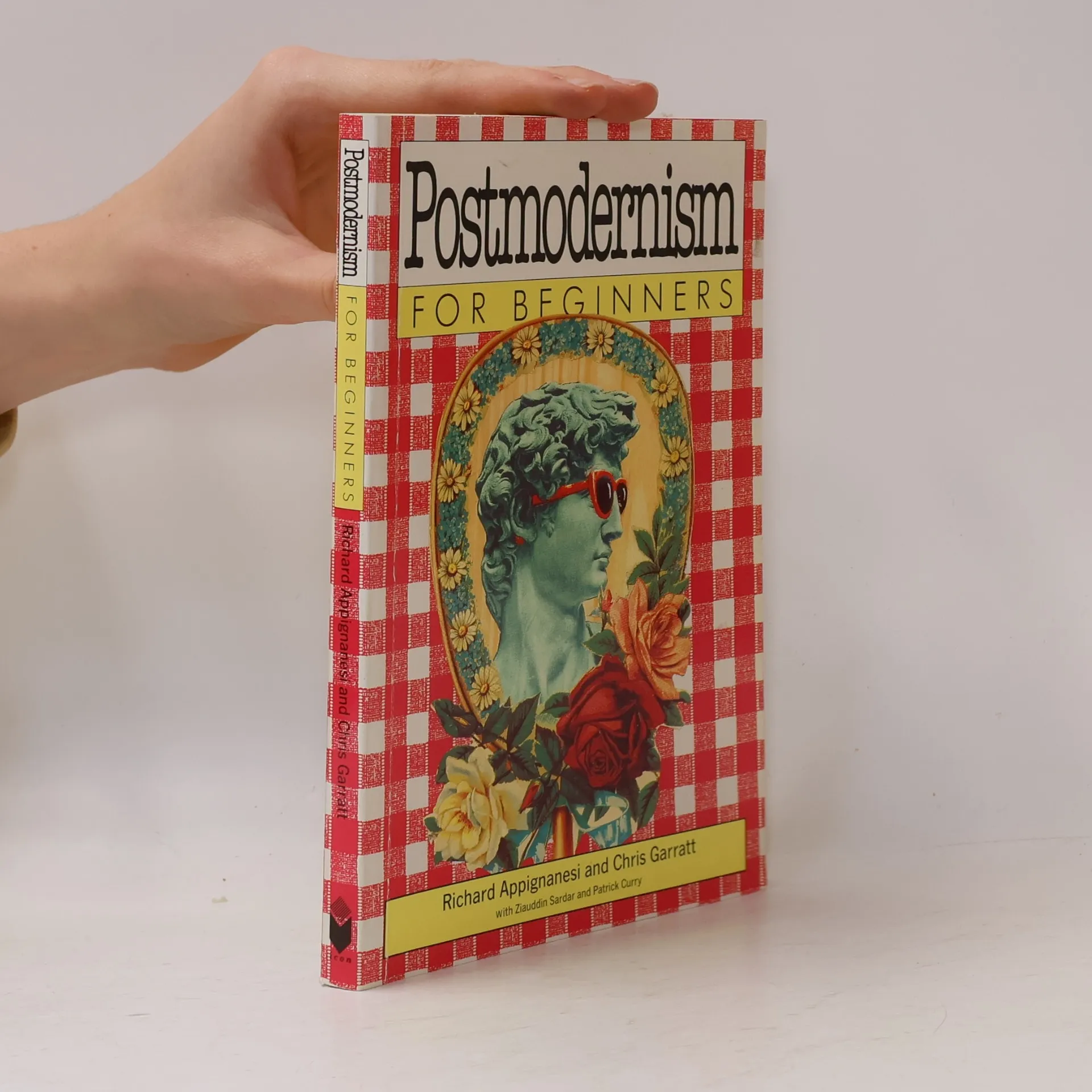
Postmodernism for beginners
- 173 Seiten
- 7 Lesestunden
Explains the idea of postmodernism in graphic novel format, a concept that has been used to define the cultural condition of the world.
Freud für Anfänger
- 173 Seiten
- 7 Lesestunden
Text v. Appignanesi, Richard. Text von Appignanesi, Richard Illustr.
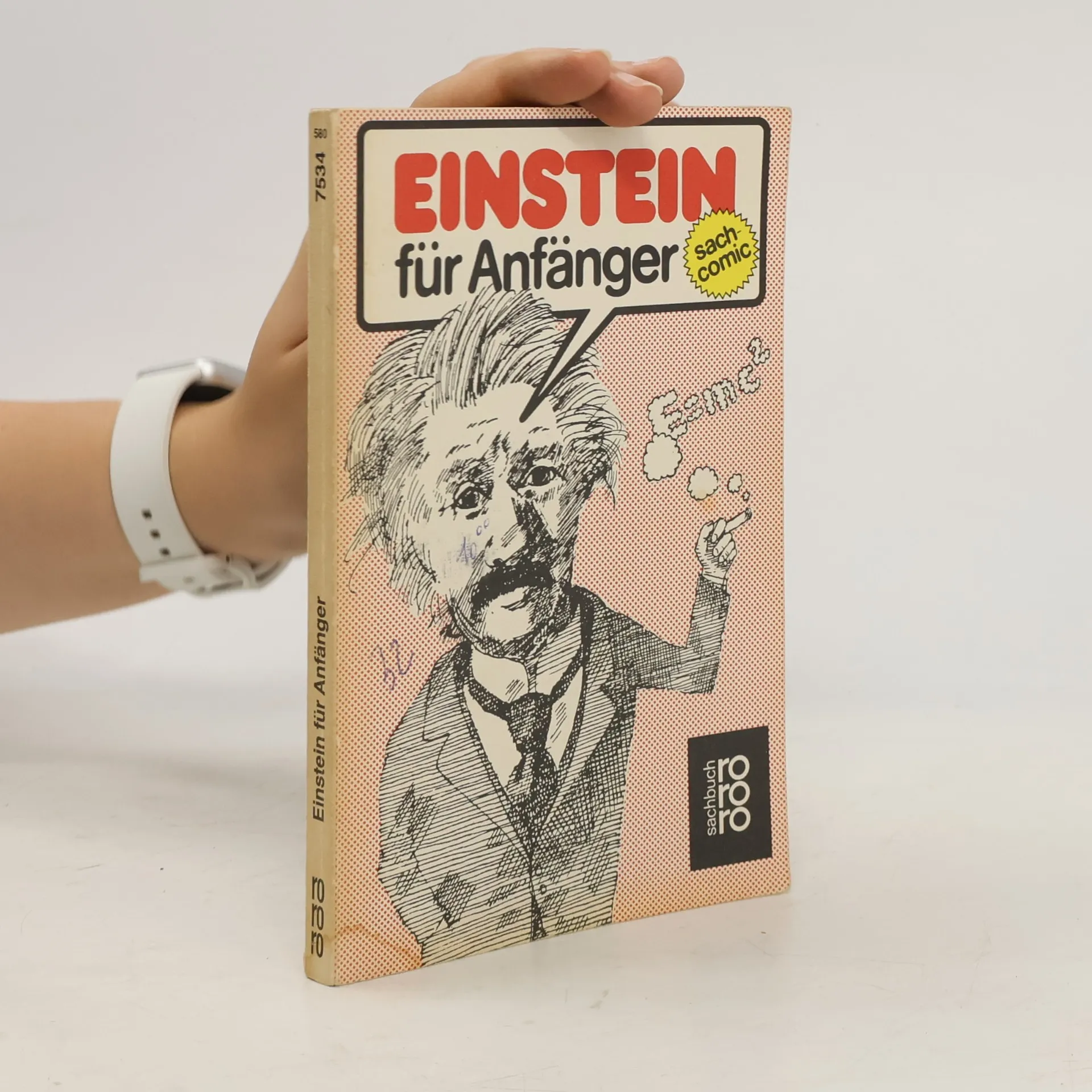
Amüsant, respektlos, anspruchsvoll und leicht verständlich, bietet "Einstein für Anfänger" eine perfekte Einführung in Einsteins Leben und Denken. Das Buch reicht bis ins alte Babylon zurück, um die Ursprünge der Mathematik zu erkunden, und behandelt die Etrusker, die glaubten, mit Blitzen umgehen zu können. Es führt durch die Revolutionen in der elektrischen Kommunikation und Technologie, die die Relativitätstheorie ermöglichten. Dabei begegnen wir wissenschaftlichen Größen und Persönlichkeiten des kaiserlichen Deutschlands sowie Galileo, Faraday und Newton. Wir erfahren, warum sich bewegende Uhren langsamer als stationäre Uhren bewegen, warum nichts schneller als das Licht reisen kann, und verfolgen Einsteins Gedankengänge, während er sich der berühmtesten Gleichung des zwanzigsten Jahrhunderts, E = mc², nähert.
Ein Comic über Marx? Geht das denn? Darf man den großen Charlie so vereinfachen? Rius nimmt Marx zu ernst, um ihn den \"Studierten\" zu überlassen. Einer, dessen Werk die Welt verändert hat, gehört allen. Dieses Werk freilich ist harte Kost. Rius macht es verdaulich: mit zeichnerischem Witz, dokumentarischem Spürsinn und didaktischem Geschick. Marx' Leben, die Wurzeln seiner Philosophie, die Kämpfe seiner Zeit und ihre Ursprünge sind zu einer lebendigen Bildgeschichte verwoben - und Charlie selbst kommt kräftig zu Wort dabei.