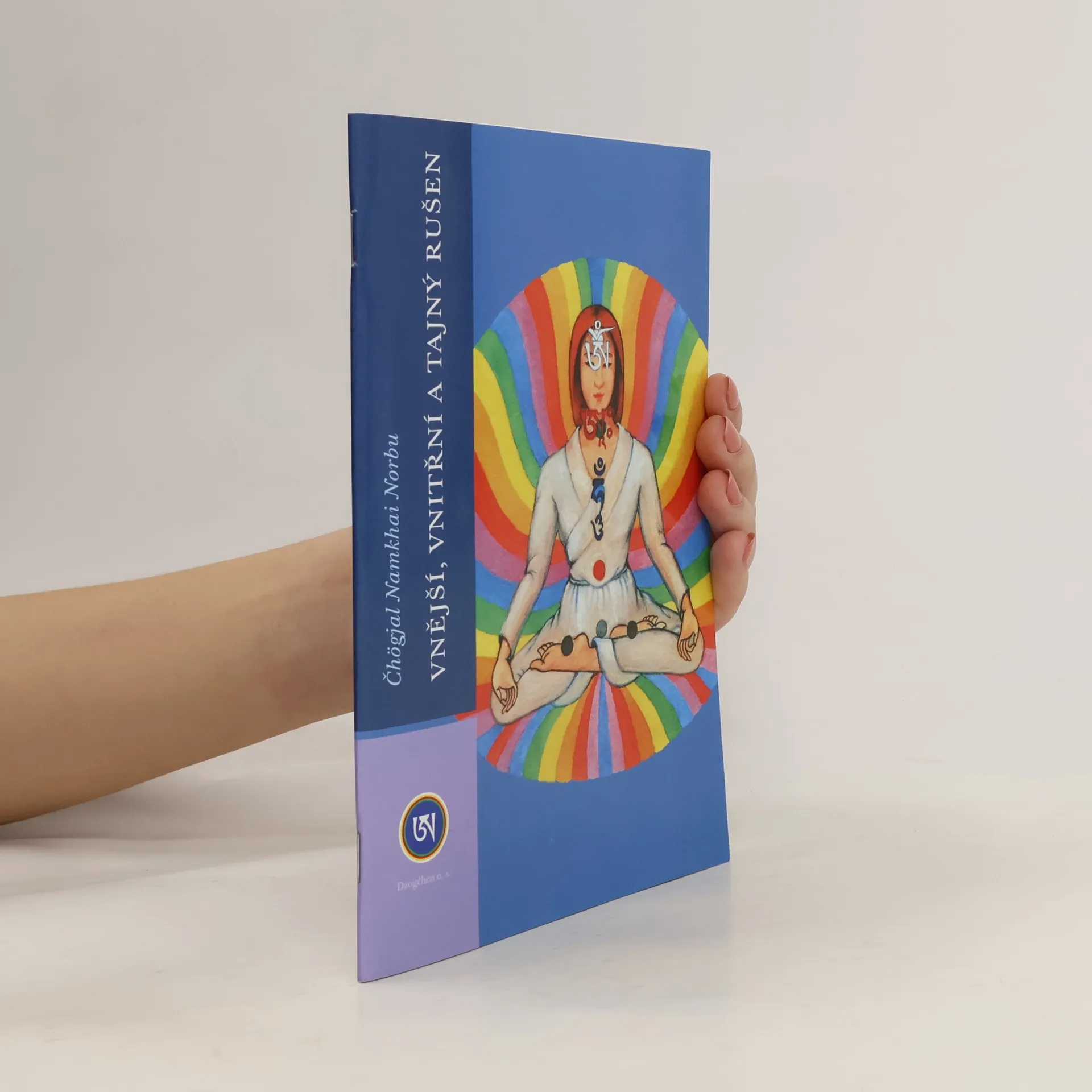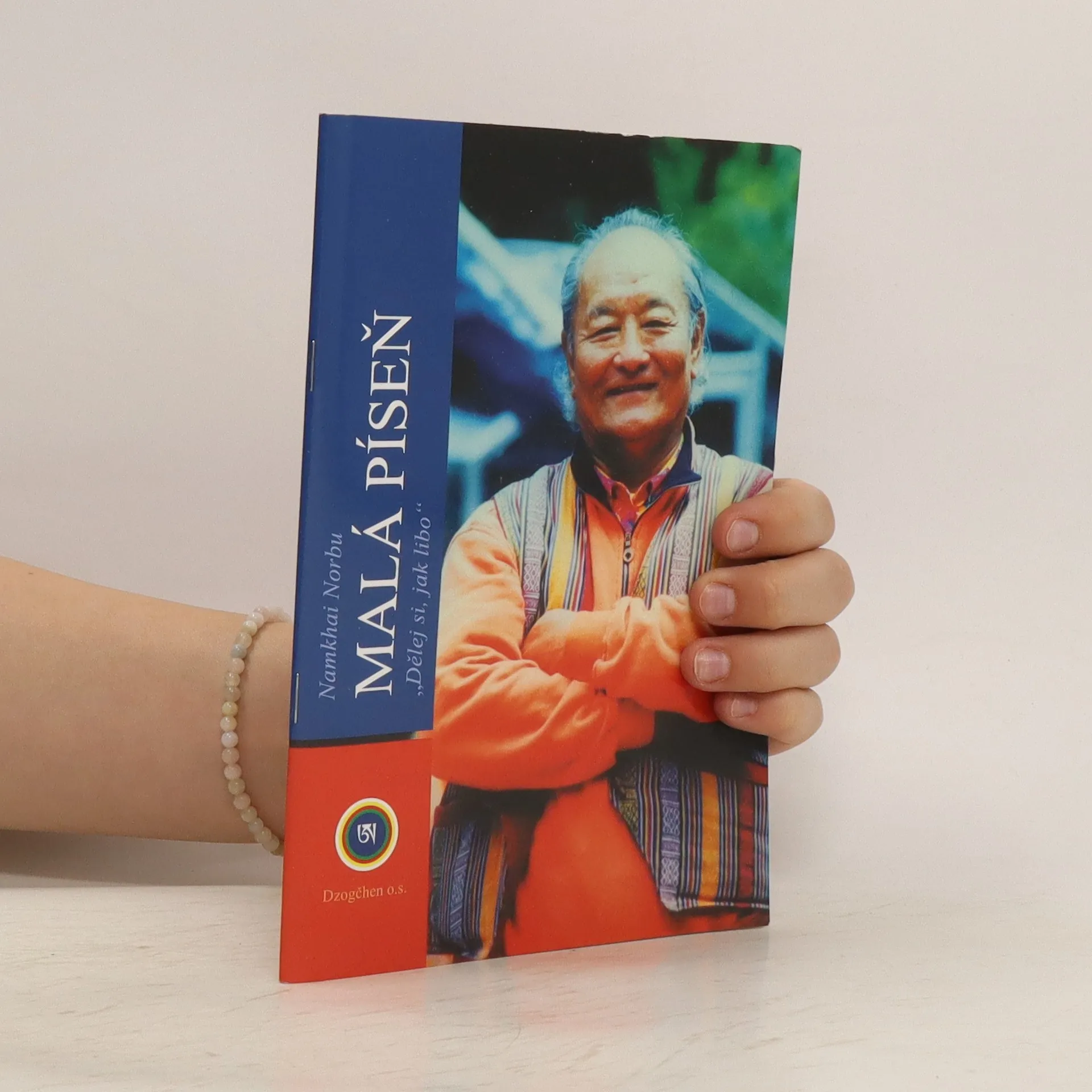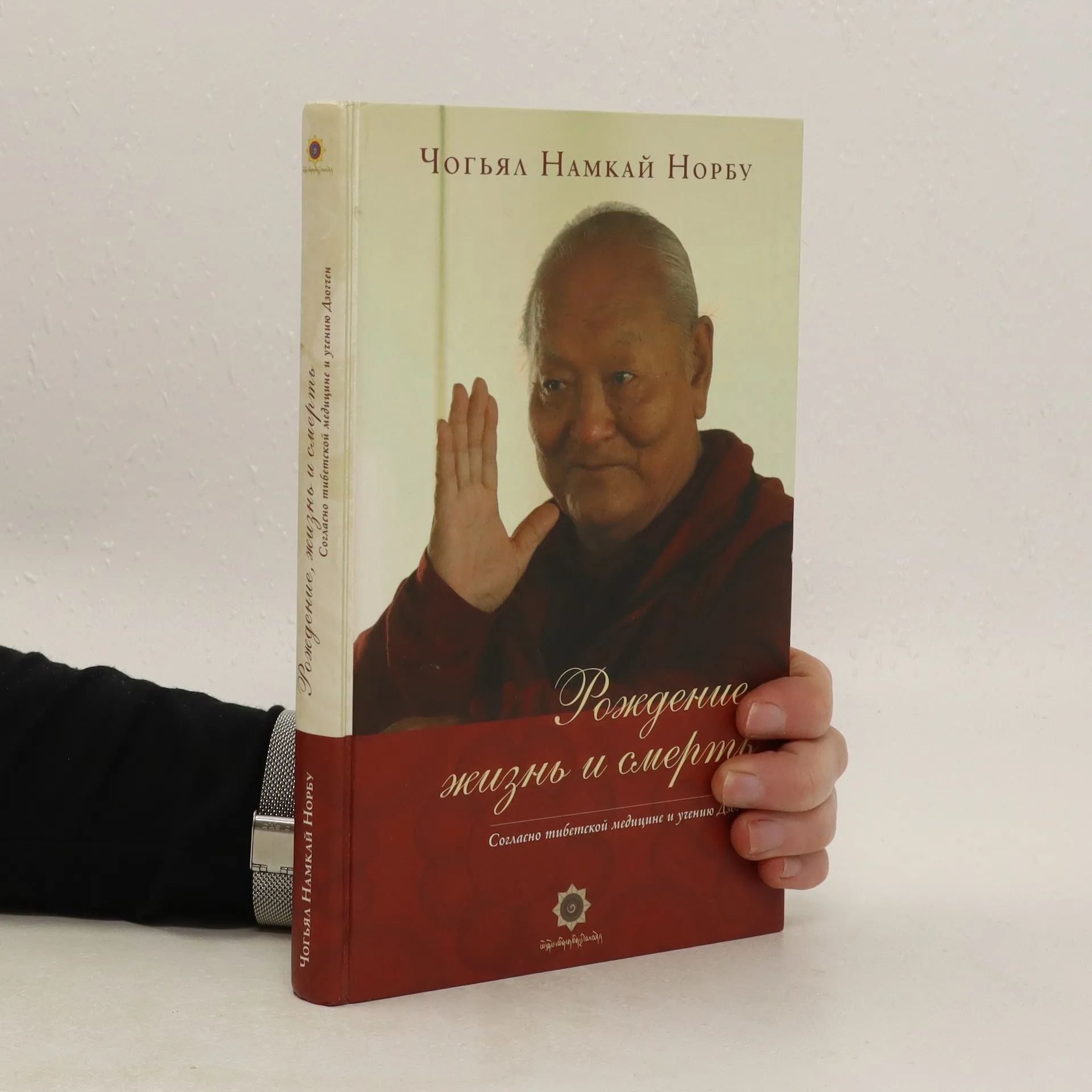
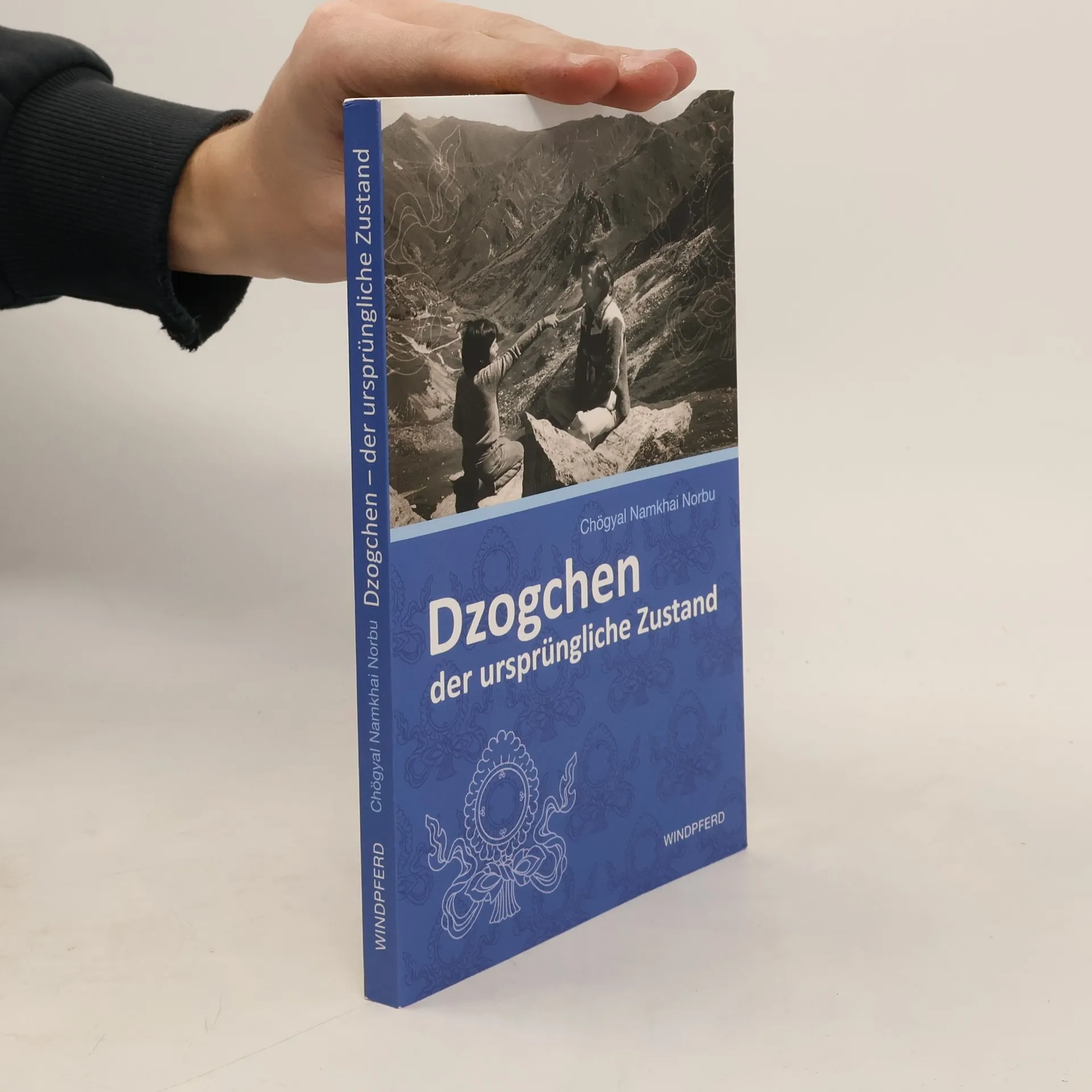
Dzog chen
Der ursprüngliche Zustand
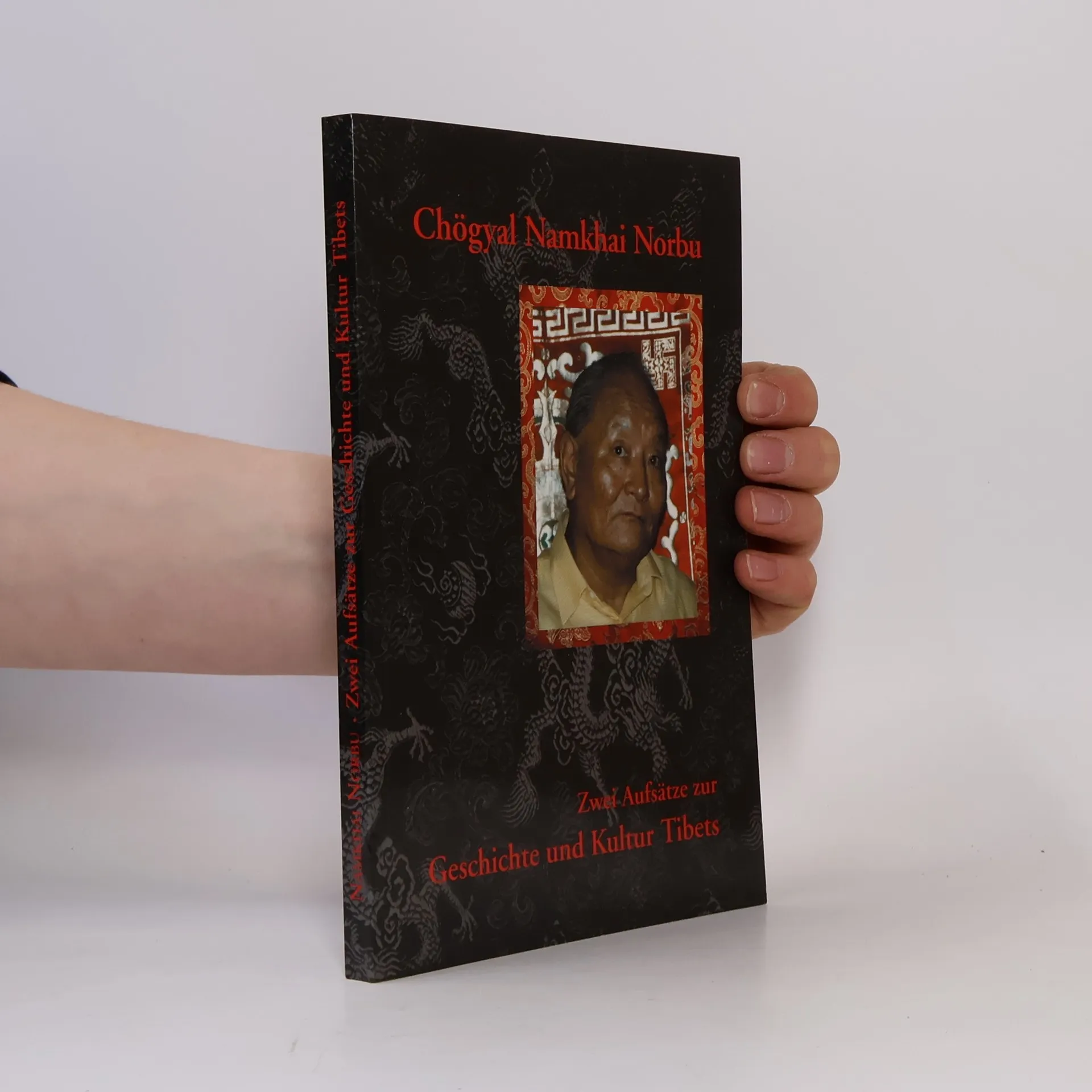
Chögyal Namkhai Norbu Rinpoche war einer der führenden Dzogchen-Meister des 20. Jahrhunderts. Nach seiner Übersiedlung nach Italien im Jahr 1960 leistete er einen bedeutenden Beitrag zur Verbreitung der tibetischen Kultur im Westen. Ab Mitte der 1970er Jahre begann er, Dzogchen-Lehren zu vermitteln, was weltweit auf wachsendes Interesse stieß. Seine Arbeit konzentriert sich auf tiefgründige spirituelle Lehren und deren praktische Anwendung.


Der ursprüngliche Zustand
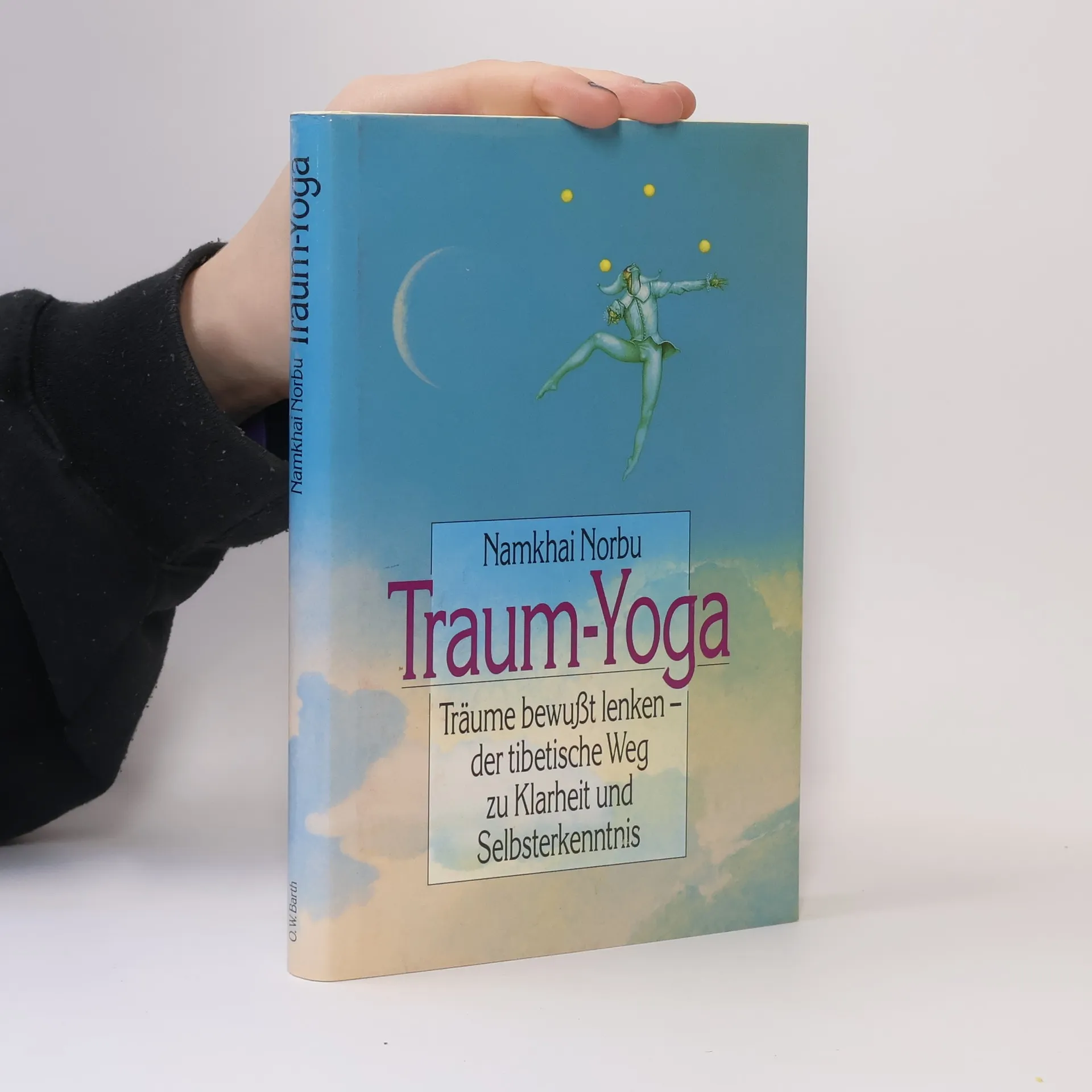
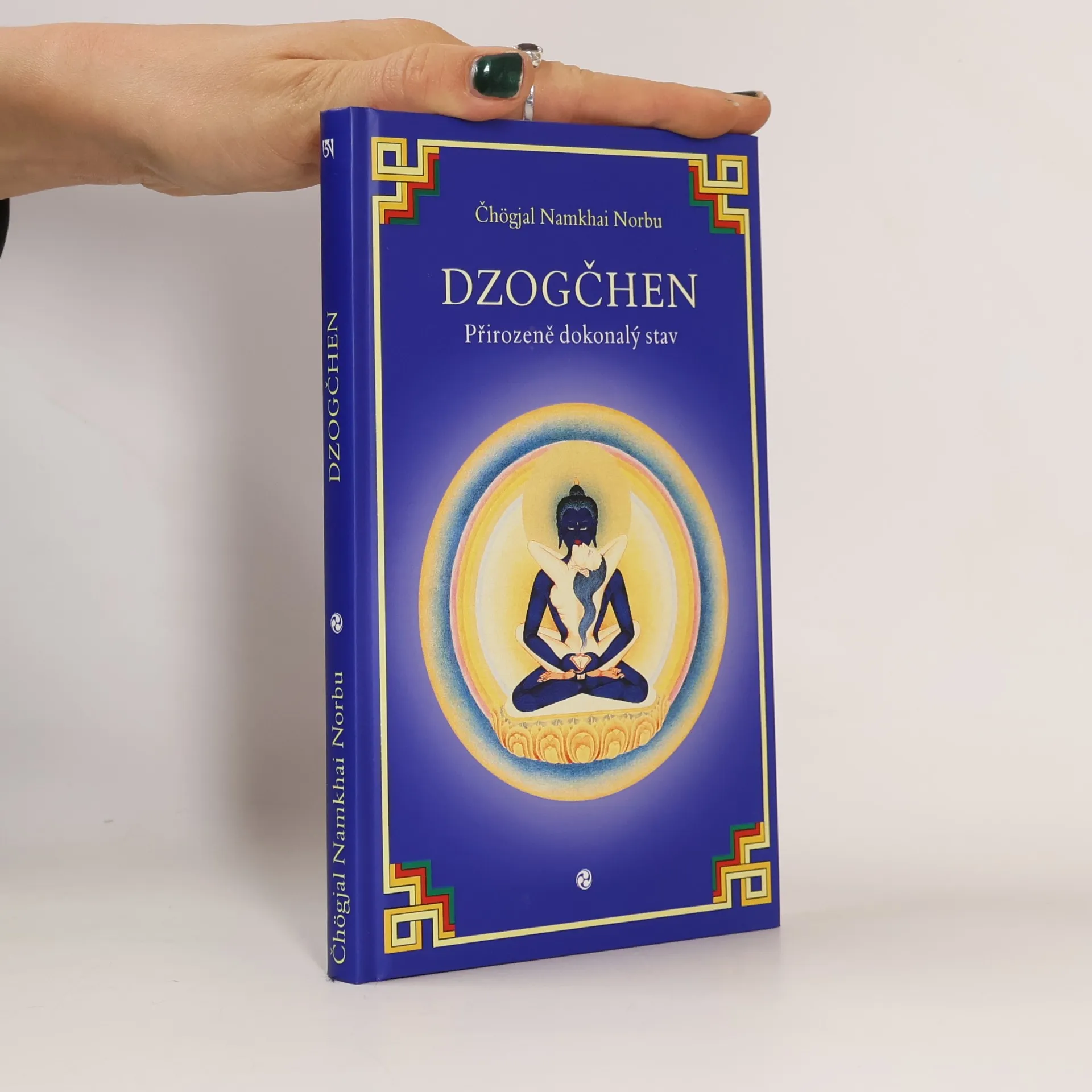
CHÖGYAL NAMKHAI NORBU zeigt, dass unser natürlicher Zustand von Anfang an vollkommen ist. Durch Verstehen und Übung können wir unser müheloses Wissen um diesen Zustand wiederentdecken, der jenseits von Leid und Verwirrung liegt. Rinpoche erklärt die Lehren der »Großen Vollkommenheit« Dzogchen und die Praxis dazu klar und verständlich.
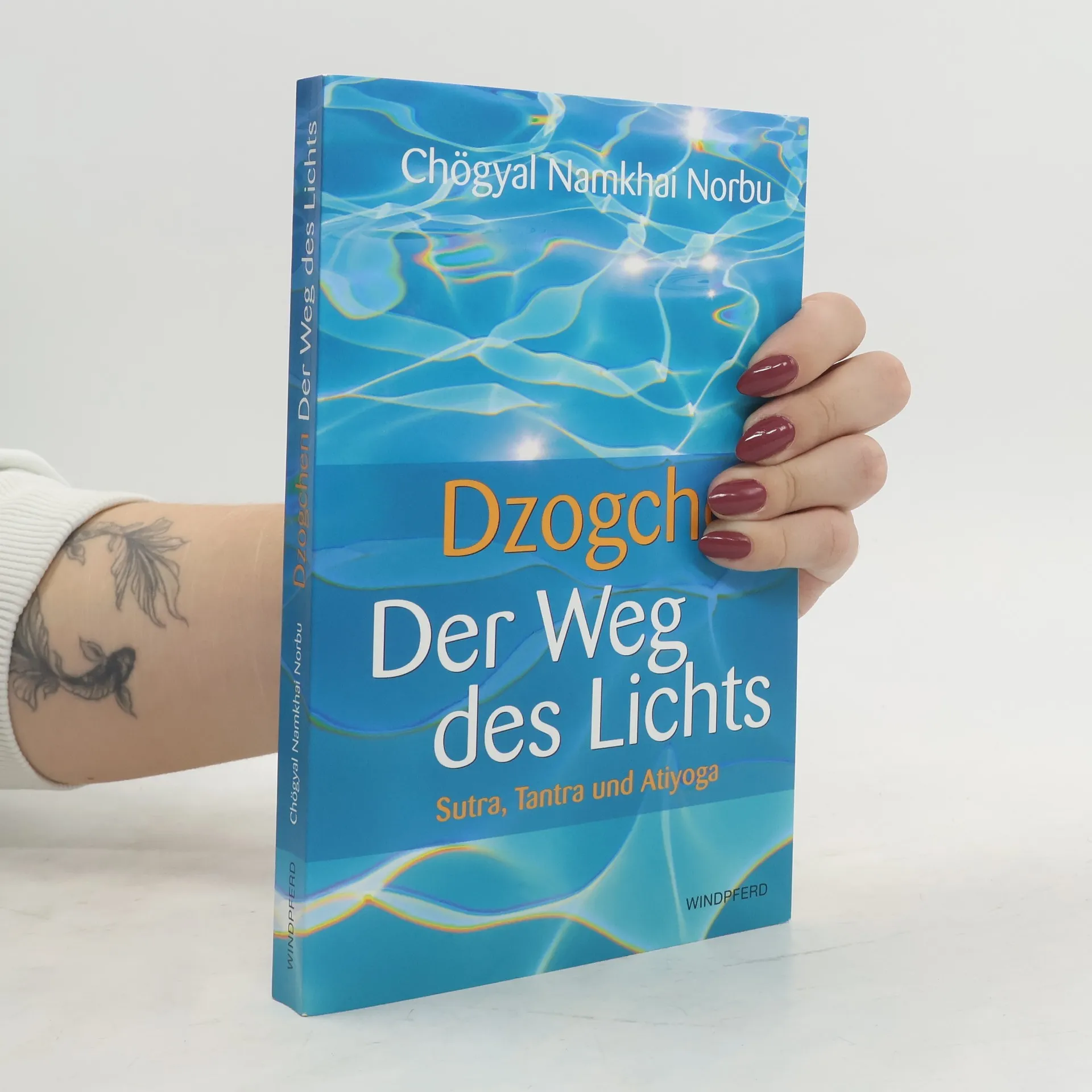
Dzogchen, die »Große Vollkommenheit«, gilt als die spirituelle Essenz aller buddhistischen Lehren. Es zeigt den Weg der spontanen Befreiung zum natürlichen Zustand des Geistes, der jenseits aller Vorstellungen und Konditionierungen ist. In den Worten von Chögyal Namkhai Norbu: »Die wahre Natur des Menschen ist klar, leuchtend und bewusst, ungetrübt von Gedanken und Emotionen.« »Dzogchen - Der Weg des Lichts«, das Buch eines weltweit wirkenden, authentischen Dzogchen-Meisters, präsentiert das Wissen des Dzogchen direkt und verständlich und führt uns vor Augen, wie es durchaus auch in unserem »normalen« weltlichen Leben umgesetzt werden kann. Die vorliegende Ausgabe dieses spirituellen Klassikers wurde vollständig neu bearbeitet. Neben einer Darstellung der Dzogchen-Lehren ist auch Namkhai Norbus persönlicher Bericht über seine eigene spirituelle Schulung in Tibet enthalten.
In The Crystal and the Way of Light, Chogyal Namkhai Norbu examines the spiritual path from the viewpoint of Dzogchen. He discusses the base path and fruit of Dzogchen practice, and describes his education and how he met his principal master who showed him the real meaning of direct introduction to Dzogchen. By interweaving his life story with the teachings, he both sets Dzogchen in its traditional context and reveals its powerful contemporary relevance. The book is richly illustrated with photos of Buddhist masters, meditational deities, and Dzogchen symbols.
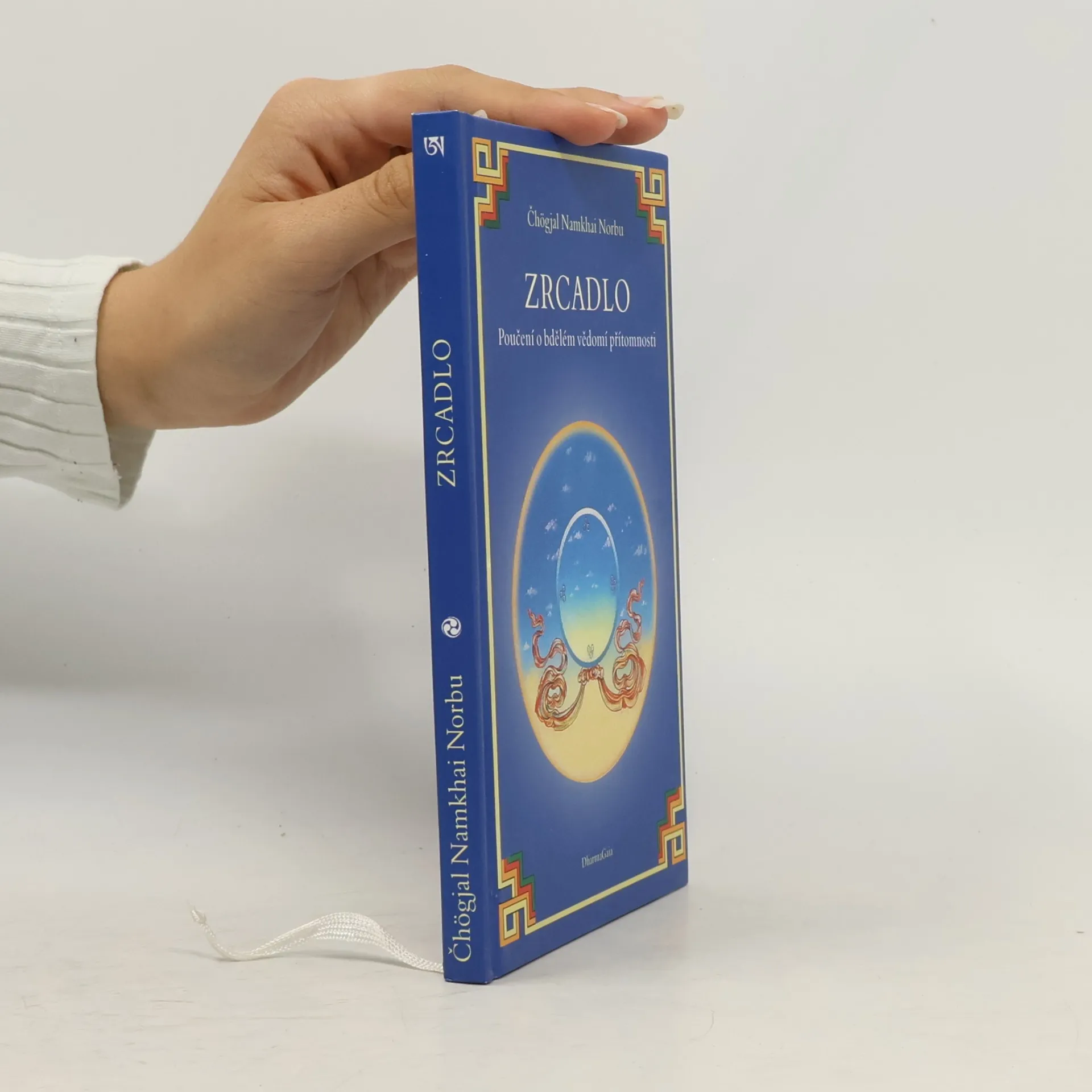
The aim of Dzogchen is the reawakening of the individual to the primordial state of enlightenment, which is naturally found in all beings. The master introduces the student to his or her real nature already perfected and enlightened, but it is only by recognizing this nature and remaining in this state of recognition in all daily activities that the student becomes a real Dzogchen practitioner of the direct path of self-liberation. In this book the Dzogchen teaching is presented through the tantra Kunjed Gyalpo, or "The King Who Creates Everything"—a personification of the primordial state of enlightenment. This tantra is the fundamental scripture of the Semde, or "Nature of Mind," tradition of Dzogchen and is the most authoritative source for understanding the Dzogchen view. The commentary by Chogyal Namkhai Norbu gives easier insight into the depths of these teachings. Adriano Clemente translated the main selections of the original tantra.
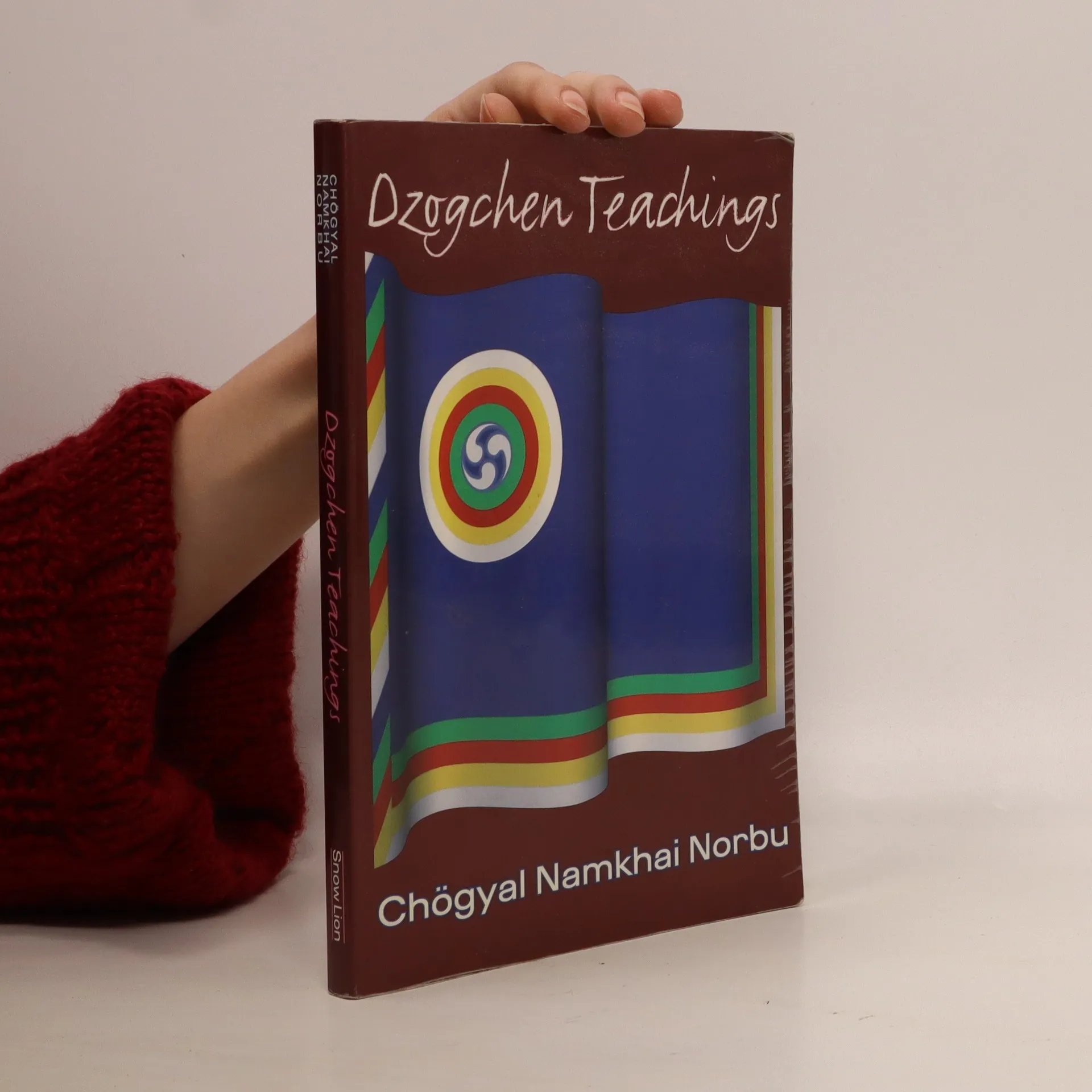
As Chogyal Namkhai Norbu explains in this very readable book, our natural condition is self-perfected from the very beginning. What is necessary is that we reawaken and remain in our true nature. Through understanding and practice, we can rediscover the effortless knowledge of the self-perfected state that lies beyond our habitual anguish and confusion, and remain in this uninterrupted flow of contemplation, completely relaxed but fully present through all activities. Rinpoche begins by clearly explaining the Dzogchen teachings and then reveals, in a simple and non-intellectual manner, what is meant by the practice of Dzogchen.
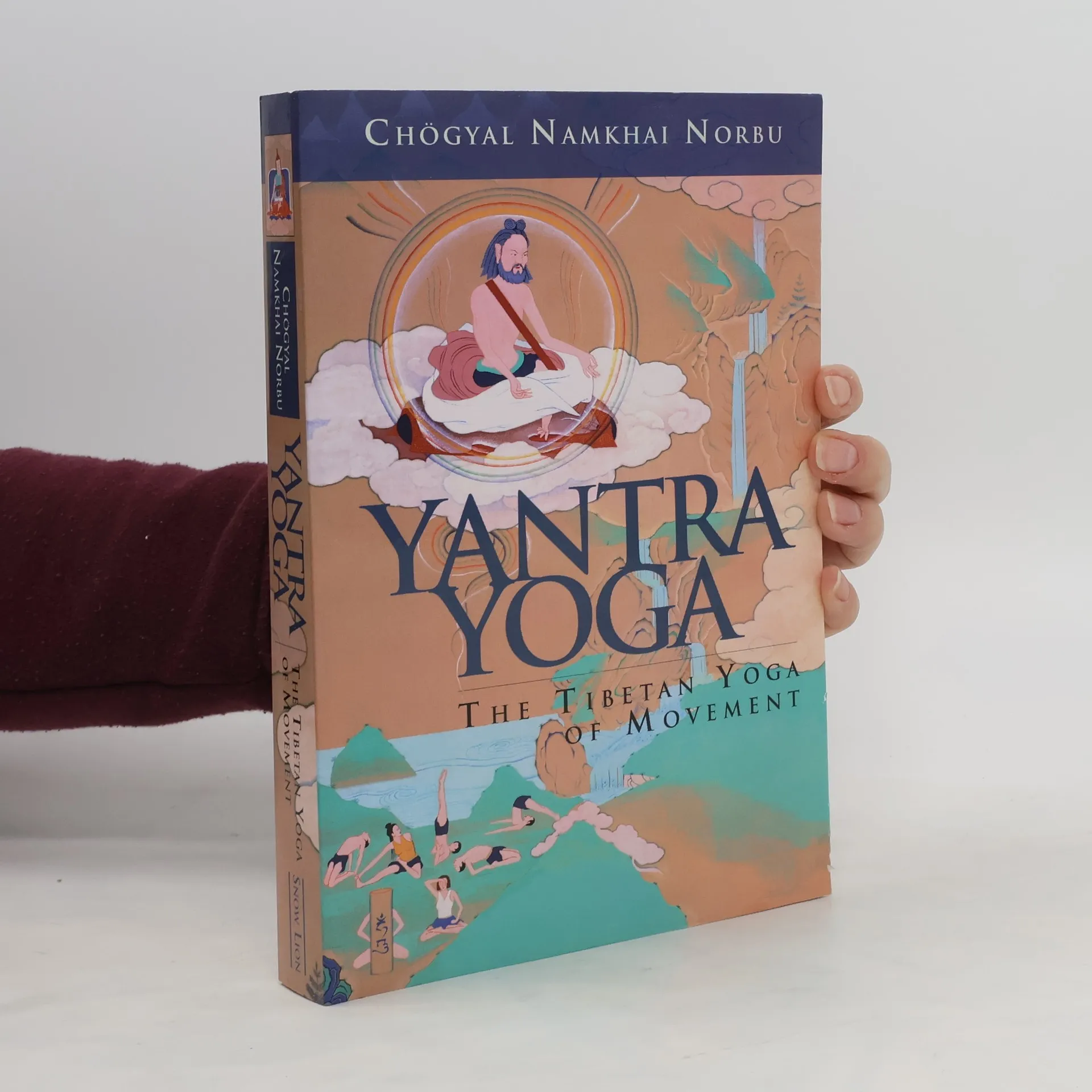
Yantra Yoga, the Buddhist parallel to the Hathayoga of the Hindu tradition, is a system of practice entailing bodily movements, breathing exercises, and visualizations. Originally transmitted by the mahasiddhas of India and Oddiyana, its practice is nowadays found in all schools of Tibetan Buddhism in relation to the Anuttaratantras, more generally known under the Tibetan term trulkhor, whose Sanskrit equivalent is yantra. The Union of the Sun and Moon Yantra (Phrul 'khor nyi zla kha sbyor), orally transmitted in Tibet in the eighth century by the great master Padmasambhava to the Tibetan translator and Dzogchen master Vairochana, can be considered the most ancient of all the systems of Yantra, and its peculiarity is that it contains also numerous positions which are also found in the classic Yoga tradition. Chögyal Namkhai Norbu, one of the great living masters of Dzogchen and Tantra, started transmitting this profound Yoga in the seventies and at that time wrote this commentary, which is based on the oral explanations of some Tibetan yogins and siddhas of the twentieth century. All Western practitioners will benefit from the extraordinary instructions contained in this volume.
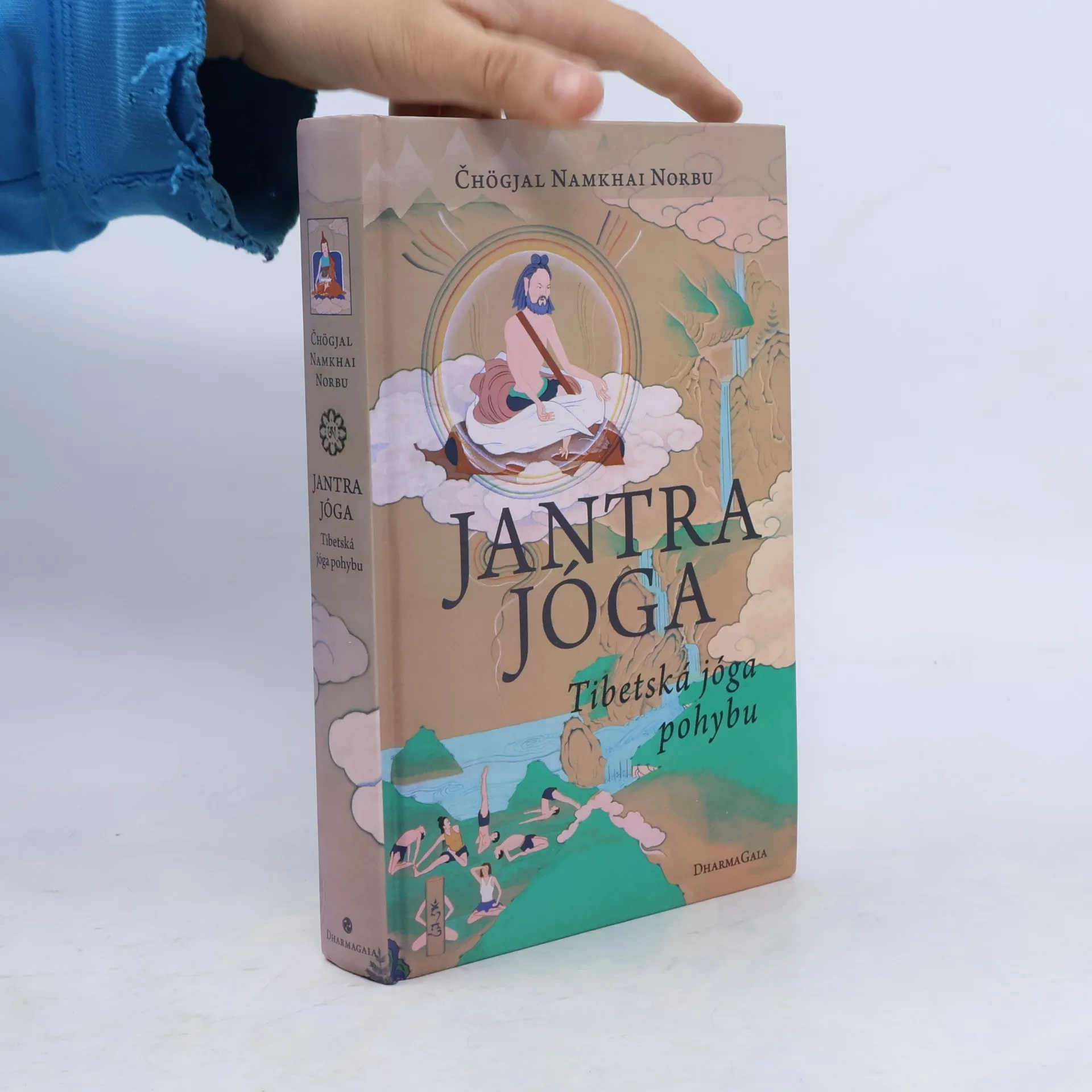
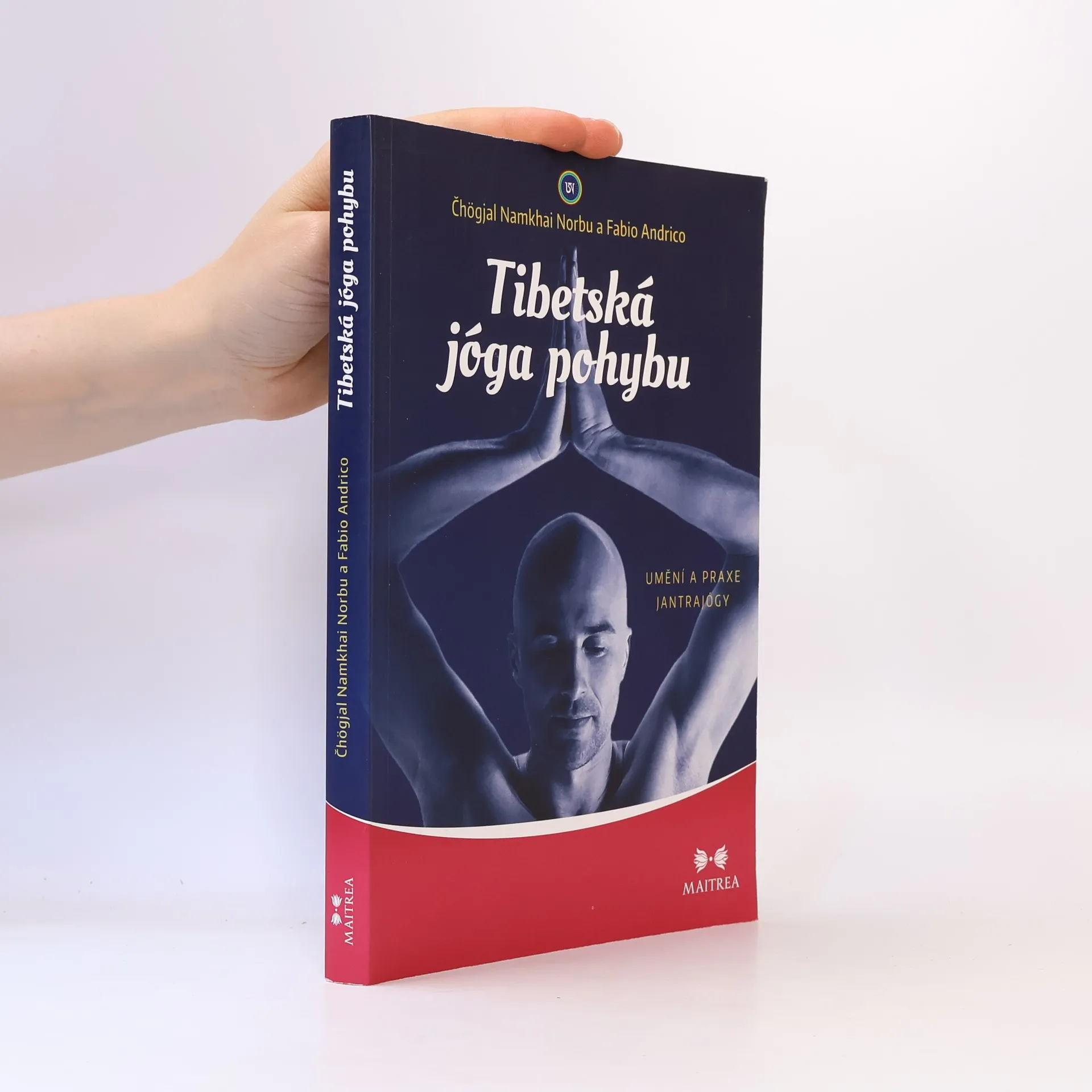
Tibetan Yoga of Movement introduces the method of Yantra Yoga, a traditional Tibetan form that is one of the oldest recorded systems of yoga in the world. Derived from an eighth-century Tibetan Buddhist text, Yantra Yoga includes many positions similar to those of Hatha Yoga in form, but different in the dynamics of the way in which they are practiced, especially in the coordination of movement and breathing. The Yantra Yoga system encompasses 108 sets of movements (yantras) and several types of breathing to be learned at your own pace. Due to its emphasis on uniting breathing and movement, Yantra Yoga can deepen the experience of yoga practitioners from any tradition and profoundly benefit anyone seeking authentic balance, harmony, and the understanding of our true nature. Since the eighth century, this yoga teaching has been passed down from teacher to student in an unbroken lineage. Chögyal Namkhai Norbu, the current lineage holder, began transmitting Yantra Yoga in the West in the 1970s. Presenting detailed instructions accompanied by over 400 instructional photos, the book describes the sequences of movements, methods of breathing, and the concrete health benefits of the practice.
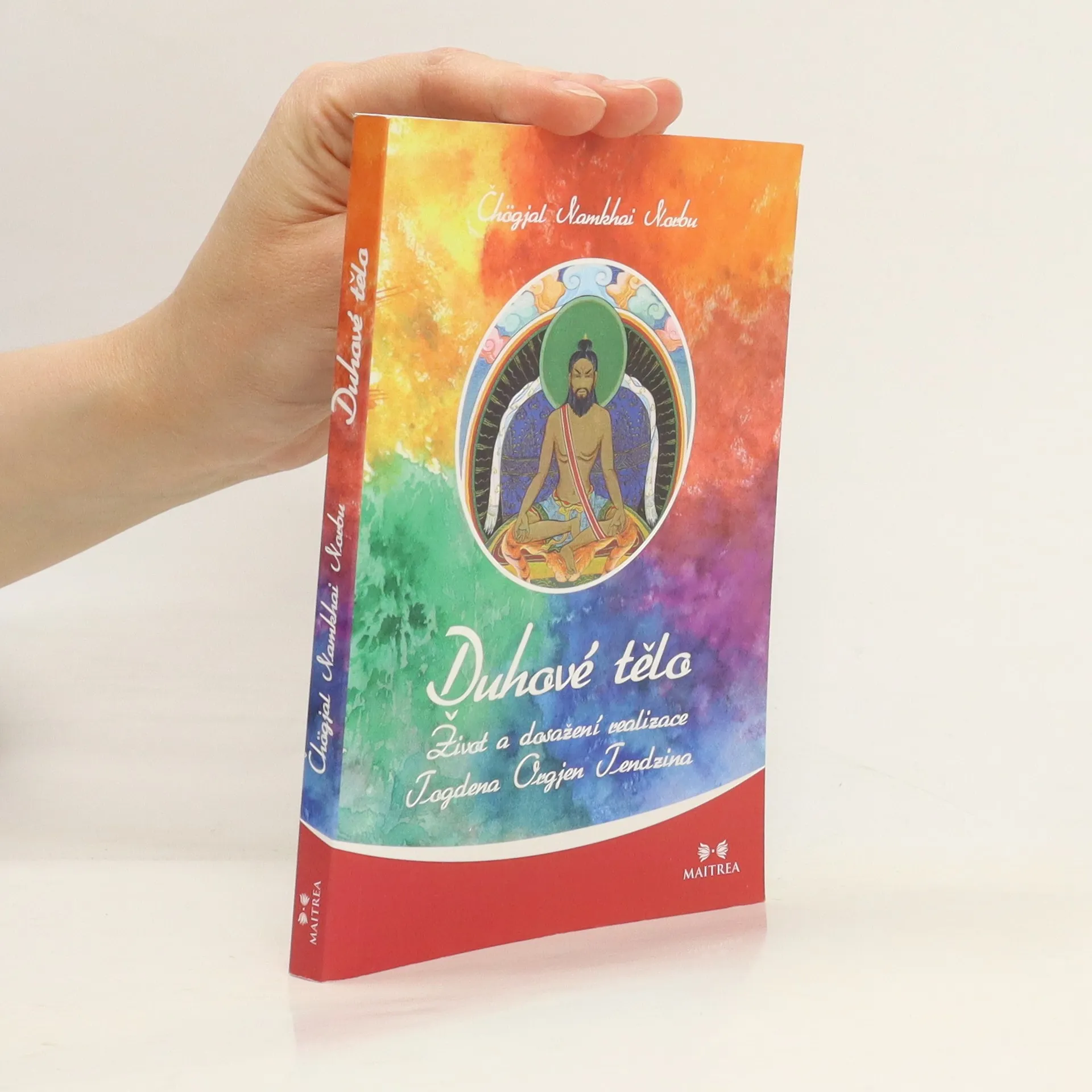
Rainbow Body: The Life and Realization of a Tibetan Yogin, Togden Ugyen Tendzin, presents the remarkable life story of Togden Ugyen Tendzin (1888–1962), a Tibetan yogin who in death achieved the “rainbow body,” the release of the physical body in the essence of the five elements and one of the highest spiritual attainments of Dzogchen, recognized as the supreme level of Tibetan Buddhism. His nephew, Chögyal Namkhai Norbu, one of the greatest living masters of Dzogchen, composed the book from his own recollections of his uncle as well as direct quotes from talks with the great yogin himself and his disciple Sala Karma Samten. The book traces the yogin’s childhood struggles, the circumstances that led him to his teacher, the eminent Adzom Drugpa, and his difficult path to self-realization. Finally, Chögyal Namkhai Norbu relates the story of Ugyen Tendzin’s death during imprisonment by the Chinese, when witnesses discovered that though his sheepskin robe still sat upright, his body was gone—a testament to its having dissolved into the rainbow body.
In this text from a lecture originally given in 1981, Norbu Rinpoche discusses the relationship between Zen Buddhism and the various forms of Buddhism that developed in Tibet. Both are direct, non-gradual approaches to Buddhist teaching that continue to be practiced in the West. "The principle of the Dzog-chen teaching is the self-perfectedness, the already-being-perfect of every individual. Self-perfectedness means that the so-called objective is nothing else than the manifestation of the energy of the primordial state of the individual himself. An individual who practices Dzog-chen must possess clear knowledge of the principle of energy and what it means." Namkhai Norbu Rinpoche is a Tibetan lama, who from 1964 to 1994, taught at the University of Naples, Italy. He has done extensive research into the historical origins of Tibetan culture and has conducted teaching retreats throughout Europe, the United States, and South America, giving instruction in Dzog-chen practices in a non-sectarian format.