Focusing on the role of prayer within Johannine literature, this book examines its function in the Farewell Discourse alongside 1 John, 3 John, and Revelation. It explores the connection between prayer, ethical behavior, and the missional success of disciples, emphasizing the eschatological longing for Jesus' return. The final chapter offers insights into the relevance of Johannine prayer for modern readers, encouraging them to view Scriptures as timeless truths for application and obedience rather than merely historical texts.
Man mag vom Mann mit der irren Föntolle halten, was man will - er ist
erstaunlicherweise von vielen Menschen gewählt worden. Und nicht etwa, weil er
die besten Argumente und die beste Mannschaft hätte oder ein netter Kerl wäre.
Oder weil er Worte wie bigly populär machte. Nein, er ist schlicht ein
meisterhafter Beeinflusser, wie es nur alle Generationen einen gibt.
Unabhängig von allen Fehlern, alternativen Fakten und fragwürdigen Tweets: Er
weiß, was seine Leute hören wollen, er drückt die richtigen Knöpfe und setzt
auf Emotionen statt auf Fakten. Wer anders als der Dogbert-Schöpfer Scott
Adams weiß, wie man selbst auch zum großen Beeinflusser wird? Er liefert
humorvoll und absolut praxistauglich nichts weniger als das Admin-Passwort zur
menschlichen Psyche.
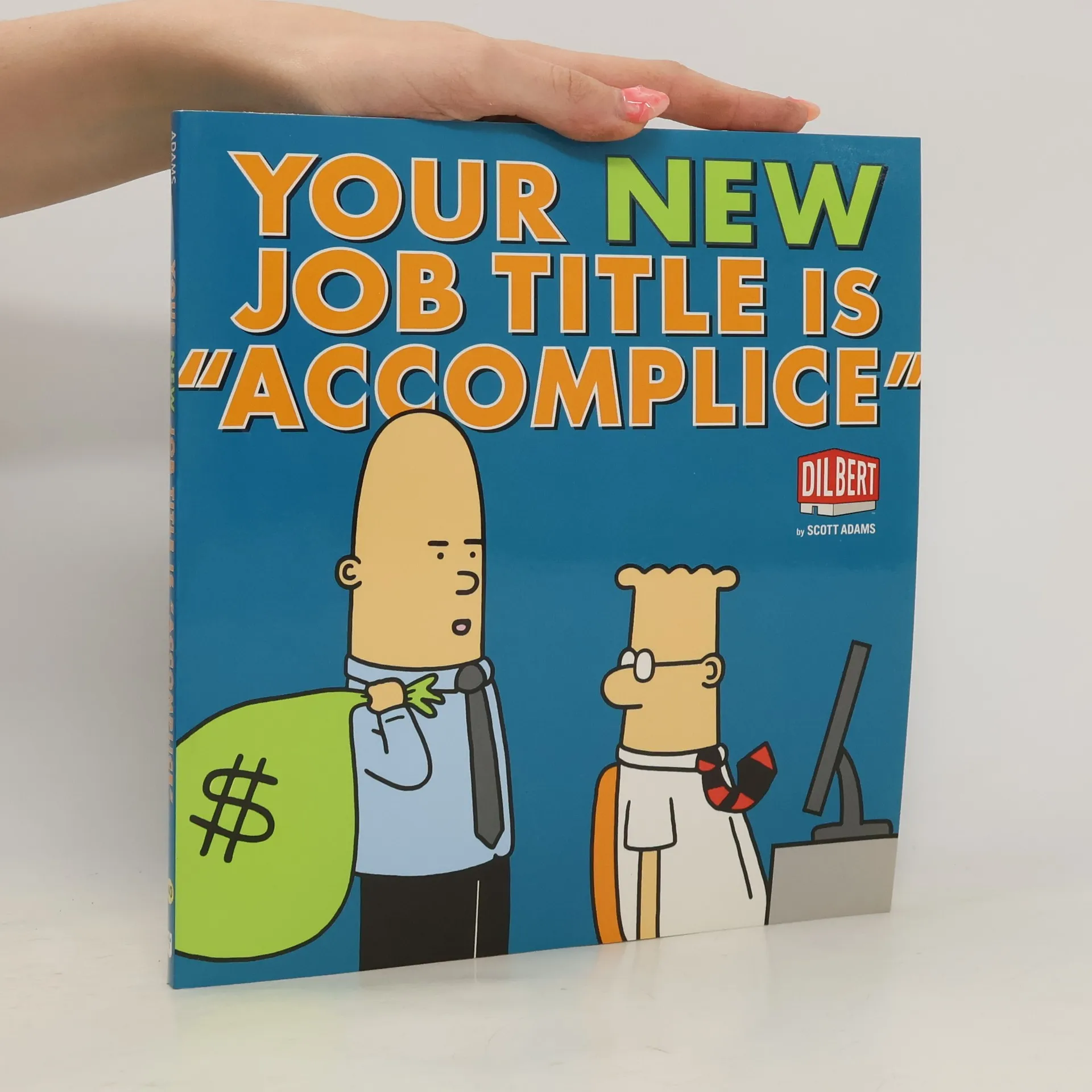
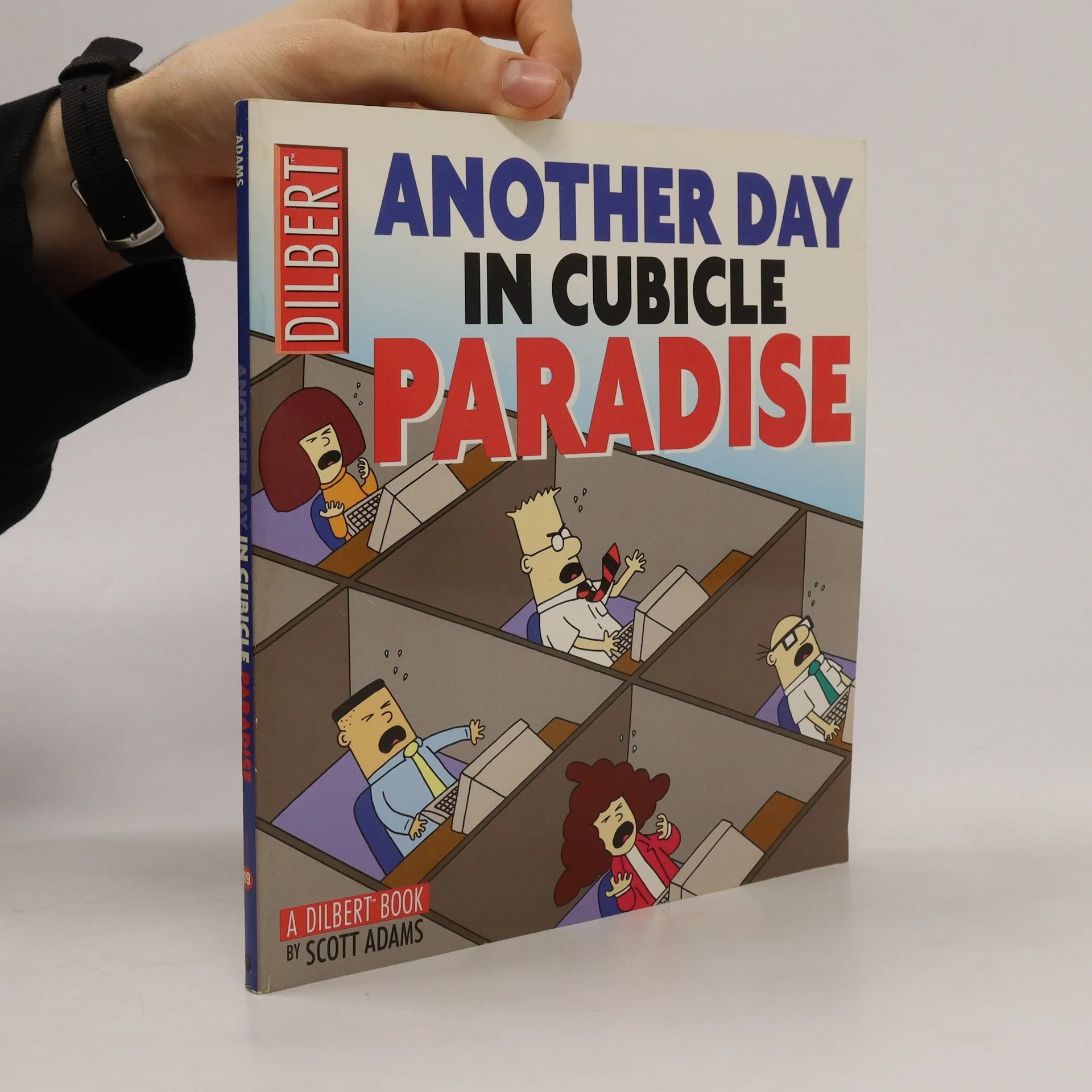
When confronted by unjust systems of corporate domination, whenever and wherever they may be, Dilbert boldly . . . gets “re-accommodated.” The legendary gang of coworkers is back for more unprofessional development, jargon freestyle, and elaborate work-avoidance schemes. Management fudges the line between stupidity and illegality. Promising new coffee warmer/phone charger technologies abound. And the circle of blame goes ever onward. In this fresh collection, Dilbert lampoons cubicle culture with strips that are sometimes recognizable, sometimes absurd—but always hilarious.
Soon after Donald Trump announced his presidential candidacy, many experts dismissed him as a fleeting joke, but Scott Adams recognized him as a master communicator comparable to Abraham Lincoln and Steve Jobs. As a student of persuasion, Adams identified Trump's extensive toolkit for influencing others and boldly predicted his potential success on his popular blog, despite facing ridicule and calls to boycott his work. Ultimately, Adams was vindicated, highlighting the power of irrationality in human decision-making. While we like to believe we are rational, our choices are often driven by gut instincts, followed by justifications. Emotional persuasion can overshadow flaws and logical appeals, making it a potent tool in any context. In his new work, Adams explores various persuasion techniques applicable beyond politics, revealing the secrets of the world's greatest persuaders. Readers will learn to create impactful linguistic "kills shots," employ the High Ground Maneuver to win debates, and recognize signs of cognitive dissonance in others. Written in Adams' engaging style, this book is essential for anyone interested in mastering persuasion or defending against its emotional tactics.
"Dilbert has managed to keep up with technology like iPads and Twitter over the years, as well as advanced systems like the Disaster Preparedness Plan that has its followers eating the crumbs from their keyboards. It doesn't get any more sophisticated than that. Wally and Alice continue to develop their charismatic ignorance and passivity as they watch Dilbert get abducted by the government for stealing information and contemplate whose side they're on (hint: apathy wins)."--Front jacket flap.
Berühmt wurde er durch seine kultigen Dilbert-Comics und -Bücher, die den Wahnsinn im Büroalltag pointiert auf die Schippe nehmen und treffend skizzieren. Doch wie kam Scott Adams auf seinen Stoff, seine Geschichten und seine Figuren? Und wie konnte er mit einem mundlosen Cartoon-Helden so erfolgreich werden? Die Antworten liegen in seiner eigenen Lebensauffassung, die er hier schildert. Und so beschreibt Adams mit dem für ihn typischen Humor, worin er überall gescheitert ist und welche Lehre er für sich daraus zog: Ziele sind etwas für Versager und nur Systeme machen einen zum Sieger. Ein Beispiel: Abnehmen zu wollen, ist ein Ziel. Aber sich gesünder zu ernähren, ist ein System. Diese und viele andere Einsichten führten Adams über viele spannende Umwege letztendlich zu seinem Welterfolg. Eine vergnügliche Geschichte über eine ungewöhnliche Laufbahn – nicht nur für Dilbert-Fans ein Muss, sondern für jeden, der herausfinden möchte, wie auch ein Versager erfolgreich sein kann!
Dubbed "the cartoon hero of the workplace" by the San Francisco Examiner, Dilbert is the cubicle-bound star of the most photocopied, pinned-up, downloaded, faxed, and e-mailed comic strip in the world.As fresh a look at the inanity of office life as it brought to the comics pages when it first appeared in 1989, this 40th AMP Dilbert collection comically confirms to the working public that we all really know what's going on. Our devices might be more sophisticated, our software and apps might be more plentiful, but when it gets down to interactions between the worker bees and the clueless in-controls, discontent and sarcasm rule, as only Dilbert can proclaim.
The author has probably failed at more things than anyone you've ever met. So how did he go from hapless office worker and serial failure to the creator of Dilbert, one of the world's most famous comic strips, in just a few years? This title deals with his many failures and what they eventually taught him about success.
Dilbert je hrdinou devadesátých let. Je to inženýr, ukrývající se v kancelářích obří korpoprace, denně vystavovaný pracovním nebezpečím a absurditám pracovní dne. Doprovází ho jeho sarkastický pes Dogbert, jehož cílem je ovládnout svět a zotročit lidstvo... a zatím, než se mu to povede, aspoň šikanuje své okolí
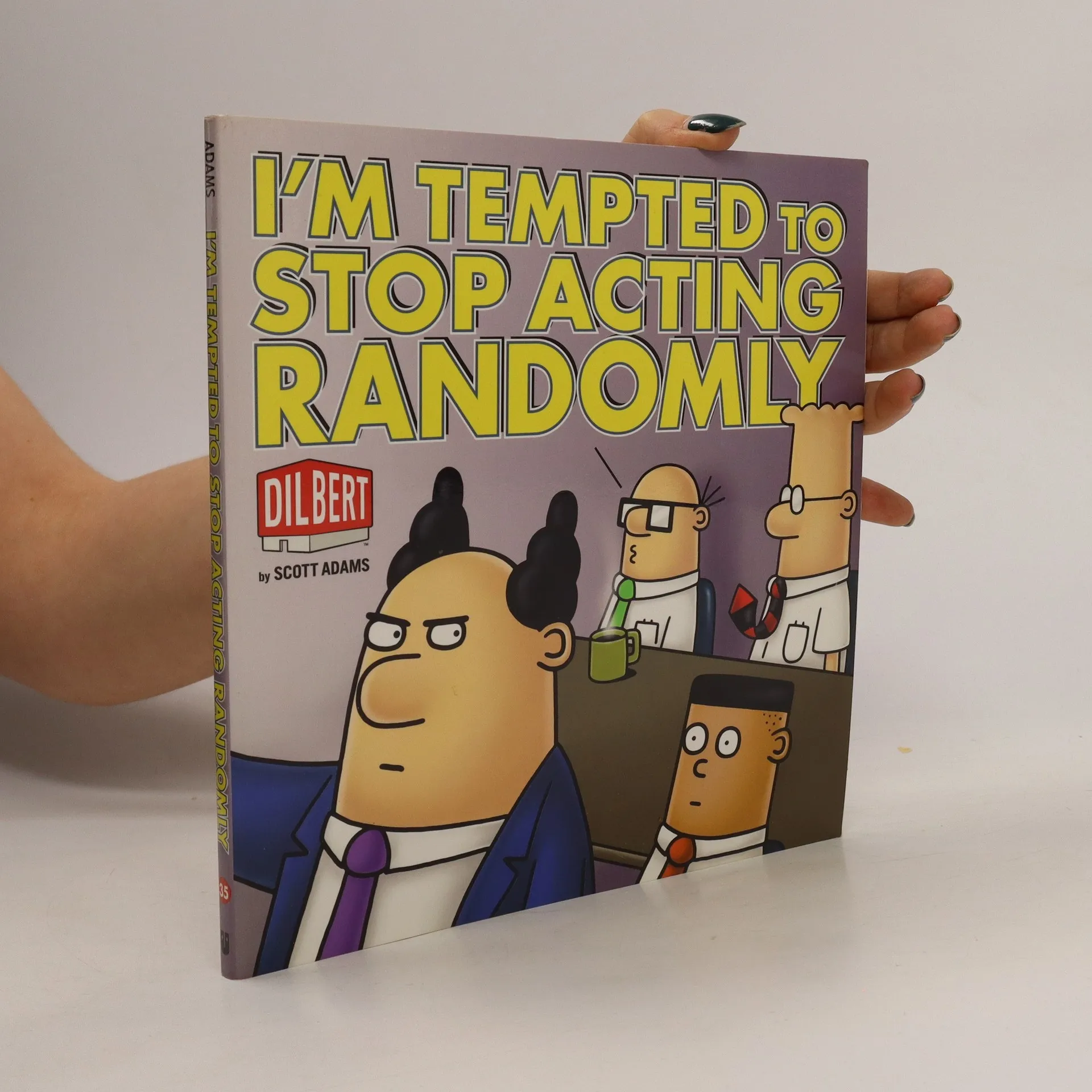
The number one calendar in the world, with sales of 400,000 every year. Pointless projects, endless meetings, and random downsizing make up the Dilbert world. Following his 20th anniversary hit, Dilbert 2.0, Scott Adams returns with another Dilbert collection of funny page favorites inside I'm Tempted to Stop Acting Randomly. Inside this collection, Dilbert and his team "flail around in futility" while the corporate bosses "forget what it's like to be one of the little people." From CEO Dogbert's speculative use of the company jet for personal vacationing to the flawed planning of a new electrically compromised data center, Dilbert exemplifies the randomness and annoyances associated with corporate cubicle culture.
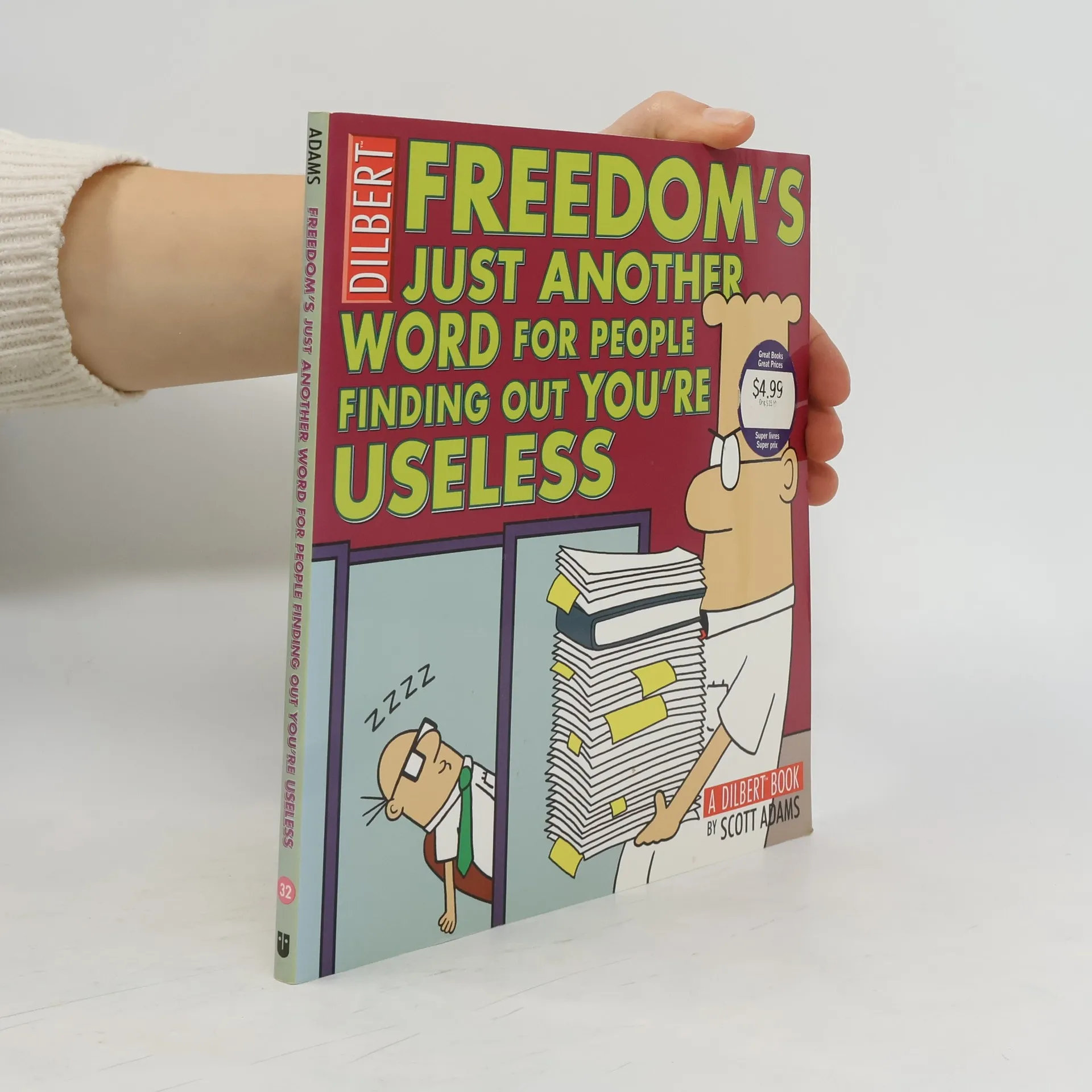
No office can function without a little humor and craziness. Adams turns mundane office issues into excruciatingly funny office moments. In Freedom's Just Another Word for People Finding Out You're Useless , fans get a hilarious collection of great Dilbert strips that are anything but useless. From office politics and reams of red tape, to mayhem due to new technologies and, of course, the crazy cast of co-workers, Dilbert gets it done.
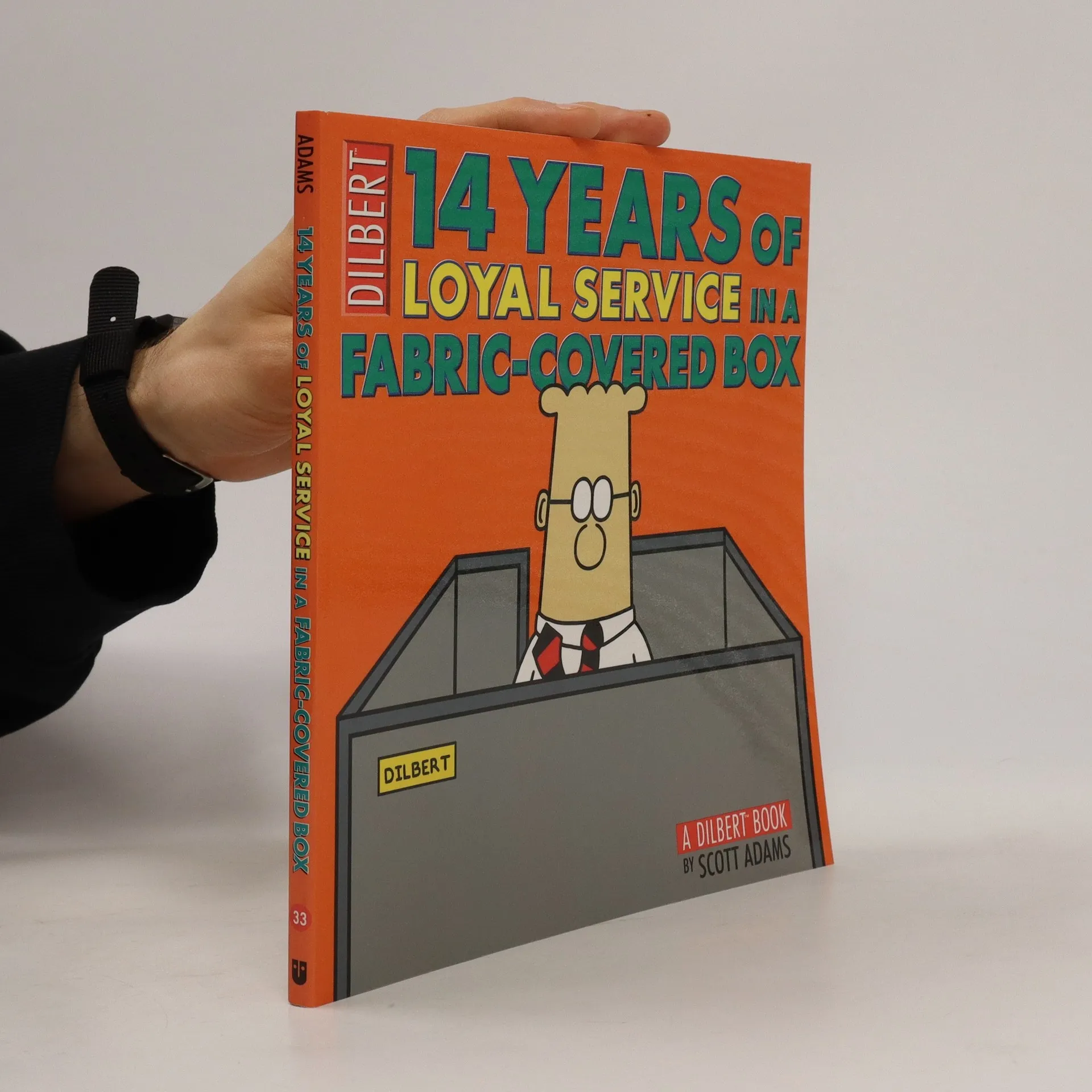
Anyone who works in a fabric-covered box can relate to Dilbert. Since 1989, Dilbert has been the touchstone of office humor for people all over the world. As long as there are corrupt businesses, inept bosses and downright loathsome co-workers, there is plenty to chuckle at. Convinced your co-worker is a demon? That your boss is incompetent? That your dog is out to get you? Dilbert believes you, and this book proves it.
Dilbert é engenheiro e trabalha em uma empresa de tecnologia. Tem trinta e poucos anos, está um pouco acima do peso, não abre a boca (que, aliás, não tem) para contestações, e seu sonho é ser promovido e ter uma sala de verdade em vez de um cubículo. Seu maior traço de ousadia é uma gravata careta que fica excitada junto com o dono. Com Dogbert, o Chefe e outros personagens, ele está aí para satirizar a burocracia e os absurdos do mundo corporativo.
A volume of 150 illustrated essays by the creator of the Dilbert comic strip ventures out of the corporate world to address such issues as politics, religion, and the author's doughnut theory of the universe. Reprint.
"Ninety percent of ethics is picking the right ethicist." --DilbertScott Adams offers up his this Dilbert collection exploring themes of sloth and corporate indifference. The arbitrary, unspoken rules of interoffice emailing, the random policy generator, and the knowledge that management has indeed given up ever trying to win an award for best place to work all combine to make life in the Dilbert workplace as demoralizing as real life.Dilbert navigates through the same corporate 9 to 5 existence in which his readers physically dwell. Dilbert, Dogbert, the boss, Wally, Alice, and Catbert tackle corporate indolence, avarice, and pretense one strip at a time, from the neighboring cubicle whistler to the project naysayer to the guy who's always just too busy to lend a hand.
Inmitten skurriler und dubioser Kollegen, wirrer PowerPoint-Präsentationen und dem sowieso absurden Alltag im Großraumbüro kämpft Dilbert auf ein Neues darum, eine positive Einstellung zu seinem Job aufzubauen. Ein sinnloses Unterfangen, wie sich zeigen wird – dagegen ist Don Quichottes Kampf gegen die Windmühlen eine richtige Erfolgsgeschichte. Scott Adams präsentiert auch in seinem neuen Band wieder die Abenteuer von Dilbert, der Stimme aller abgekämpften, demoralisierten und bürogeschädigten Lohnempfänger. Ähnlichkeiten mit Ihrem Berufalltag sind natürlich reiner Zufall – oder?
This hilarious new book from cartoonist Scott Adams--the acknowledged master at skewering corporate culture--is as perfect for the office neophyte as the hardened survivor. Laugh as Dilbert, a thirty-something electrical engineer and poster boy for the "corporately disenfranchised", battles his blockhead boss, pinhead coworkers, and his cynical, cunning pet, Dogbert. You'll also meet the Boss, every employee's worst nightmare; coworker Wally, who is forever trying to avoid work; Alice, the solo female engineer in Dilbert's department who has been known to rip people's hearts out; and Catbert, the Human Resources Director who likes to tease employees before downsizing them. Dilbert's Guide to the Rest of Your Life contains the best of seven years worth of Dilbert comics, organized around familiar workday themes. It's a great gift for graduates who are new to corporate culture, as well as diehard fans who read Dilbert to survive.
"My cube is sucking the life force out of me." - DilbertIn Cubes and Punishment Dilbert sardonically skewers the Dostoevskian sense of despair and anxiety that corporate life breeds. And nowhere is this sense more alive than in the desolation of the cubicle. In Dilbert's world, cubicle dwellers are relegated to everything from the half-size intern cubicle to the patented head cubicle and are even sentenced to adopt and decorate empty cubicles.Dilbert continues to be the voice for the embattled cubicle-dwelling everyman. With best-friend Dogbert, and a veritable who's who in accompanying office characters ranging from the Boss and Wally to Alice and Catbert, Dilbert offers a welcome dose of laughter in response to the inanity of corporate culture and middle-management mores.
"Today I had a choice of doing something important that no one would ever realize . . . or doing something that would look like an accomplishment. So I attended meetings until I could no longer appreciate the difference." --DilbertProving that corporate CEOs are indeed clueless, that PowerPoint presentations are at best perfunctory, and that the Office Nemesis is an omnipresent force to be reckoned with, Dilbert creator Scott Adams offers his 29th comic compilation all in four-color.Dilbert continues to be the voice for the embattled cubicle-dwelling Everyman. With best-friend Dogbert, and a veritable who's who in accompanying office characters ranging from the Boss and Wally to Alice and Catbert, Dilbert offers a reflective critique of corporate.
Color Sunday cartoons are presented on each weekly spread of this spiral-bound calendar that takes the sting out of scheduling those time-wasting meetings.
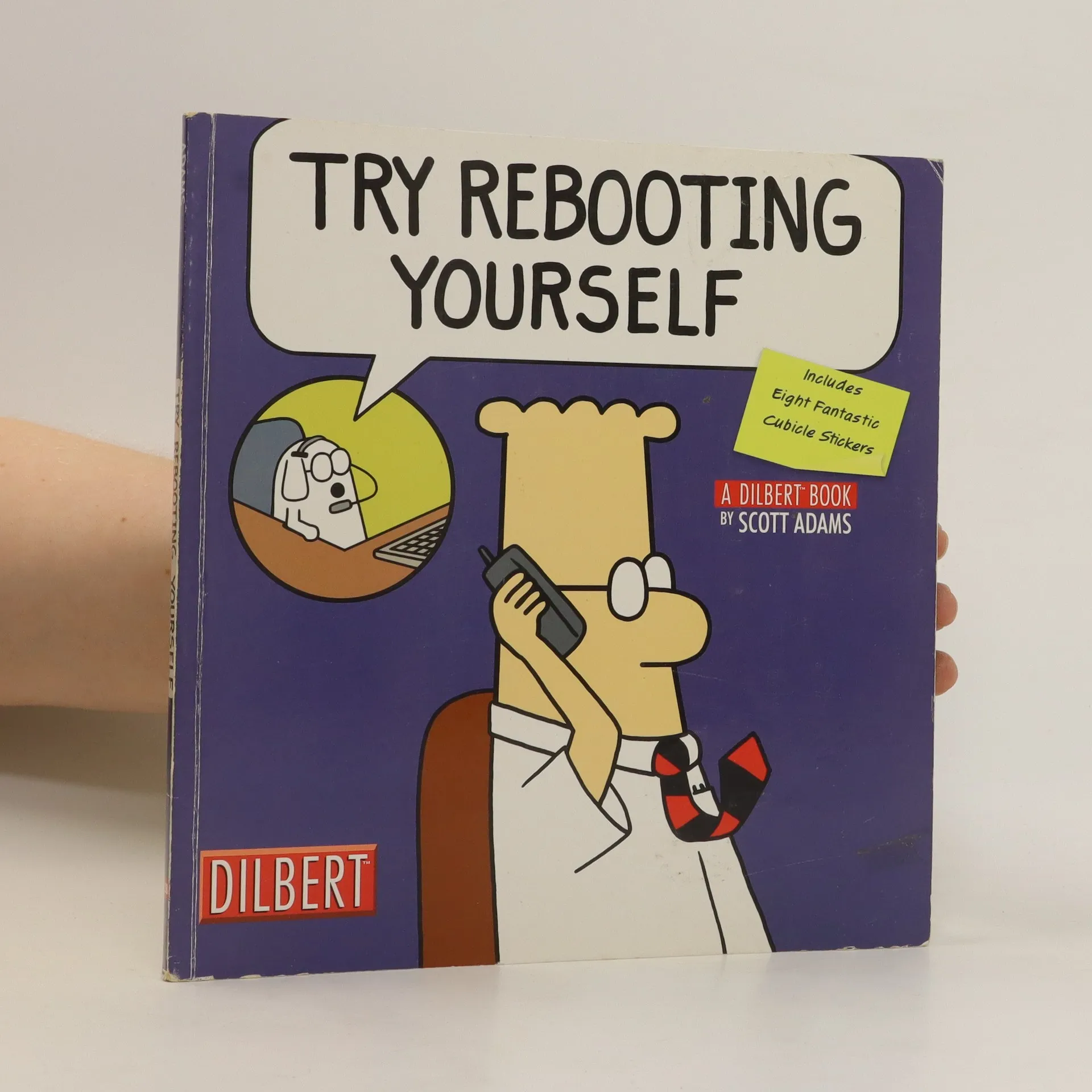
It's an embarrassment of riches. I feel like an undertaker who just heard about a bus accident. It's tragic, but good for business.Maybe, just maybe, the reason Scott Adams is able to so completely and utterly skewer the absurdities of the modern workplace is that deep down he really enjoyed his many years as a cubicle dweller. Perhaps his comic strip Dilbert is nothing more than a cleverly disguised love letter to corporate America. And maybe, just maybe, monkeys will fly out of Donald Trump's butt.In Try Rebooting Yourself, AMP's 28th Dilbert collection, the world's most dysfunctional office family is back and doing what it does best. Wally adroitly steers clear of new assignments--and perfects his work grimace. The Pointy-Haired Boss (PHB) thinks of new ways to demoralize and disenfranchise his employees. (As part of a new strategy to make the pension plan solvent, he reminds employees Smoking is cool.) Dogbert continues his lucrative consulting business. And Dilbert, alas, he soldiers and smolders on, searching for intelligent life in the corporate universe--and maybe, just maybe, a little action. (Fat chance.)This time out, the gang is joined by a host of odd (but strangely familiar) guest characters including the clueless Hammerhead Bob, and Petricia, the PHB's fawning but ferocious sycophant. All office workers may now nod knowingly.
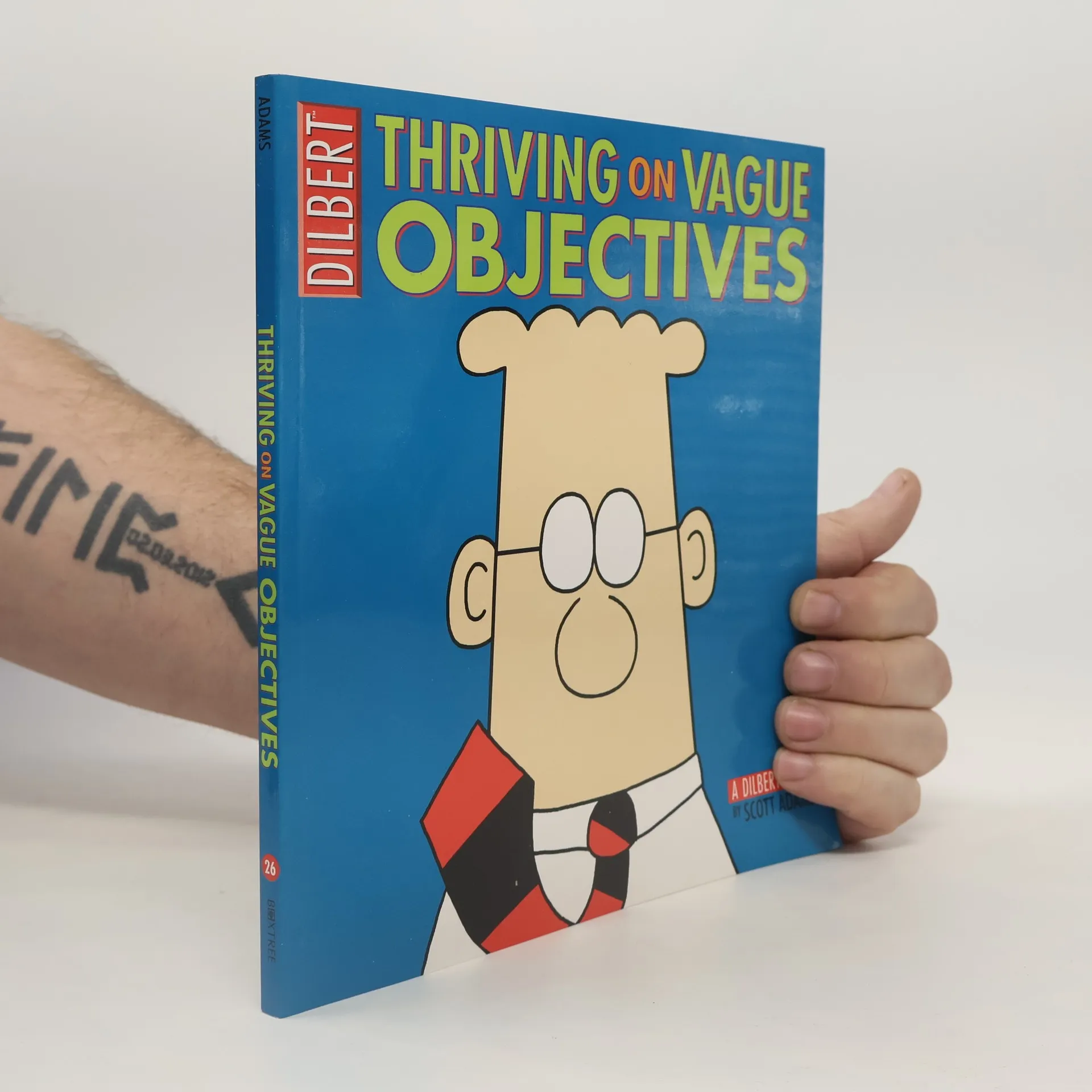
I think that idiot bosses are timeless, and as long as there are annoying people in the world, I won't run out of material.—Scott Adams Dilbert and the gang are back for this 26th collection, Thriving on Vague Objectives. Adams has his finger on the pulse of cubicle dwellers across the globe. No one delivers more laughs or captures the reality of the 9 to 5 worker better than Dilbert, Dogbert, Catbert, and a cast of stupefying office stereotypes--which is why there are millions of fans of the Dilbert comic strip. Dilbert is a techno-man stuck in a dead-end job (sound familiar?). Power-mad Dogbert strives to take over the world and enslave the humans. The most intelligent person in Dilbert's world is his trash collector, who knows everything about everything. Artist and creator Scott Adams started Dilbert as a doodle when he worked as a bank teller. He continued doodling when he was upgraded to a cubicle for a major telecommunications company. His boss (no telling if he was pointy-haired or not) suggested the name Dilbert. Adams is so dead-on accurate in his depictions of office life that he has been accused of spying on Corporate America.
God's Debris is the first non-humor book by best-selling author Scott Adams. Adams describes God's Debris as a thought experiment wrapped in a story. It's designed to make your brain spin around inside your skull. Imagine that you meet a very old man who you eventually realize knows literally everything. Imagine that he explains for you the great mysteries of life: quantum physics, evolution, God, gravity, light psychic phenomenon, and probability in a way so simple, so novel, and so compelling that it all fits together and makes perfect sense. What does it feel like to suddenly understand everything? You may not find the final answer to the big question, but God's Debris might provide the most compelling vision of reality you will ever read. The thought experiment is this: Try to figure out what's wrong with the old man's explanation of reality. Share the book with your smart friends, then discuss it later while enjoying a beverage.
Dilbert, der Prototyp aller Bürosklaven, ist wieder zurück. Ob Personalkostensenkung oder Teamsitzung, ob Betriebsverschlankung oder Brainstorming mit den Kollegen - kein Ereignis lässt Autor Scott Adams aus, um sich über hohle Phrasen, inkompetente Kollegen oder machthungrige Chefs zu mokieren. Das gelingt ihm wieder einmal aufs Beste. Seine Comicstrips leben von ihrer Situationskomik und nicht zuletzt von ihrem Wahrheitsgehalt - denn was Dilbert in seinem Unternehmen erlebt, ist keinem Arbeitnehmer fremd.
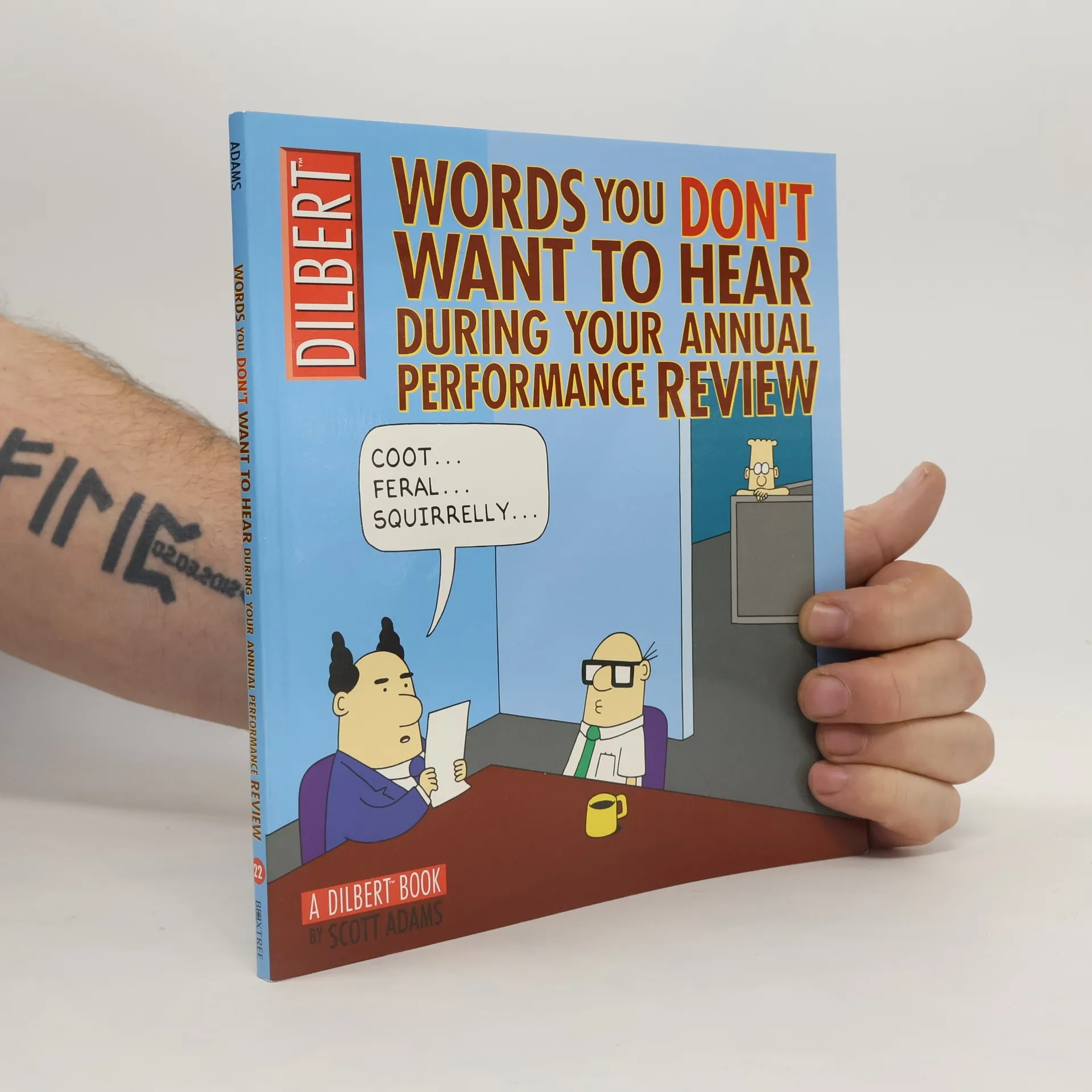
"Confined to their cubicles in a company run by idiot bosses, Dilbert and his white-collar colleagues make the dronelike world of Kafka seem congenial." Parasitic consultants, weaselly stockbrokers, masochistic coworkers and the ever-present, evil-plotting pointy-haired boss? Welcome to the seventh circle of hell, er, the 22nd collection of Scott Adams' stupendously popular comic strip, Dilbert ! Words You Don't Want to Hear During Your Annual Performance Review updates loyal readers on the mind-numbing careers of Dilbert, Wally, Alice, the PHB himself, and an ever-expanding cast of walk-on "guest stars." In this installment, a cash-sucking "consultick" burrows under the boss's skin, a not-so-grim reaper pops anti-depressants, and a lab accident turns Dilbert into a sheep-a transformation which goes barely noticed by his beleaguered coworkers. All the while, Adams takes his patented over-the-top but right-on-the-money jabs at the inanity of the corporate world.
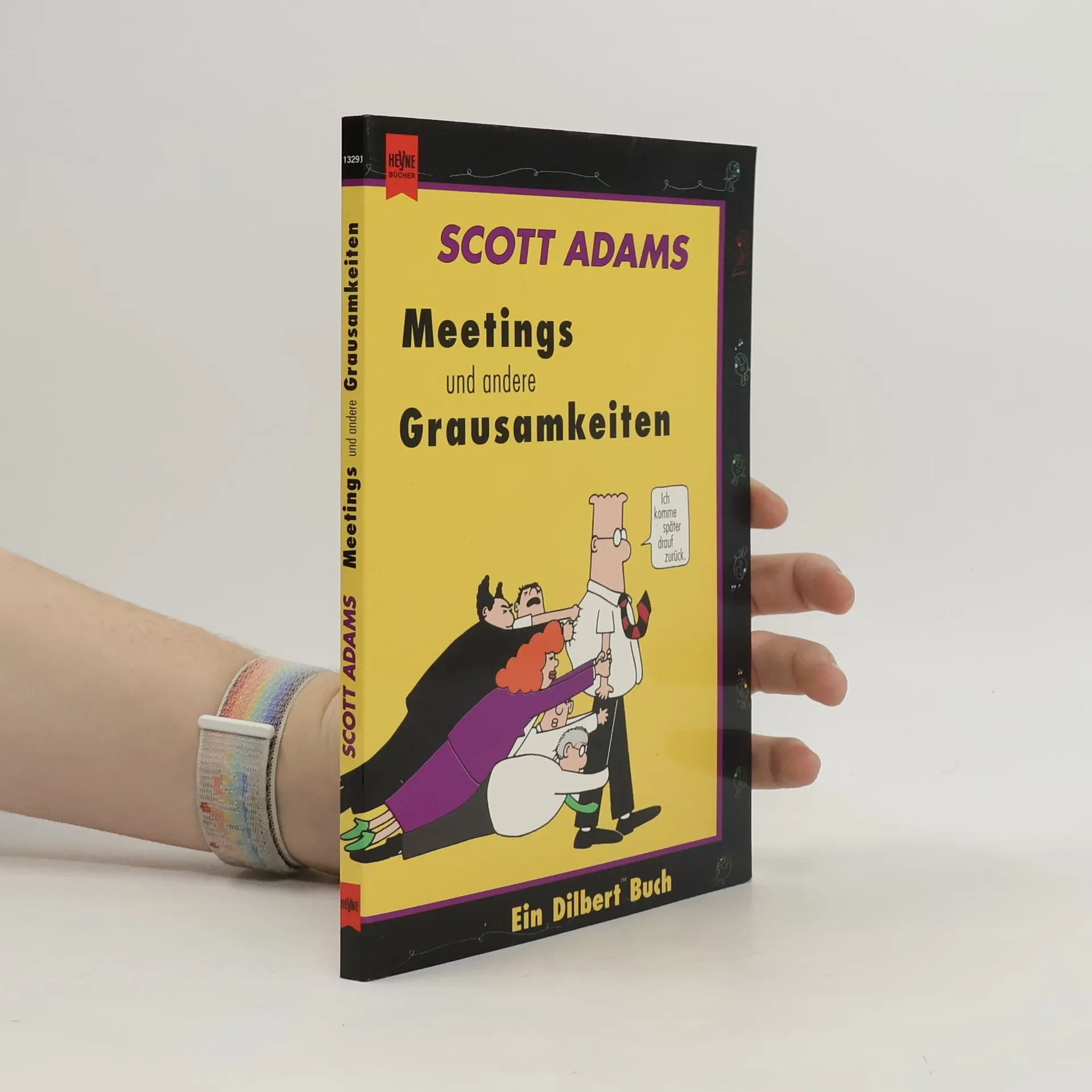
Dieses Buch bietet neue, zynische und witzige Comics vom Kultcharakter Dilbert, dem Büro-Looser. Die bisher in deutscher Sprache unveröffentlichten Comicstrips behandeln treffende Themen wie Meetings, Teamarbeit und die Lügen des Managements und sind ideal für alle, die im Büro gefoltert werden.
Dieses Buch bietet neue, zynische und witzige Comics vom Kultcharakter Dilbert, dem Büro-Looser. Die bisher in deutscher Sprache unveröffentlichten Comicstrips behandeln treffende Themen wie Meetings, Teamarbeit und die Lügen des Managements und sind ideal für alle, die im Büro gefoltert werden.
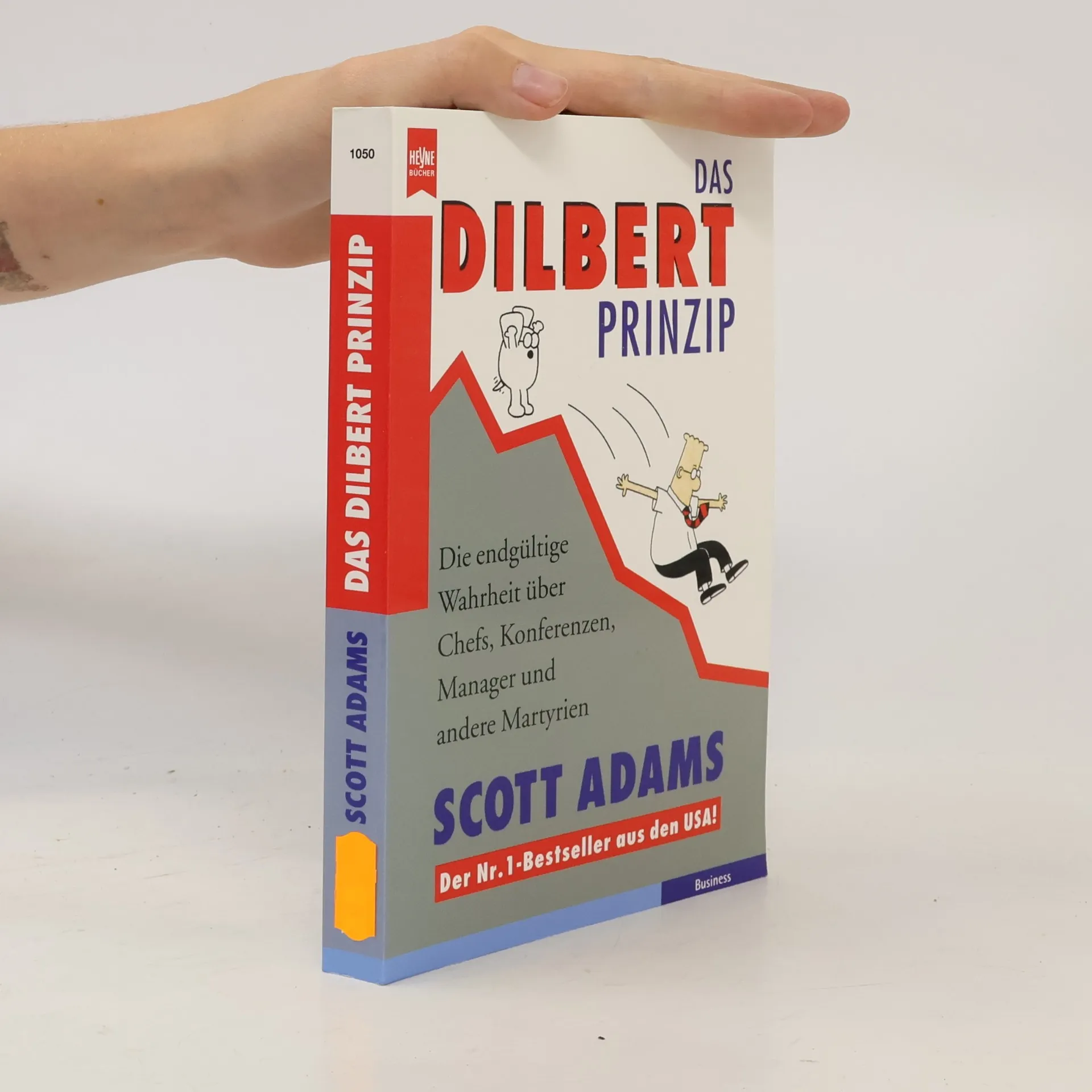
Das Dilbert-Prinzip ("Idioten werden systematisch ins Management befördert") gilt als die einzig unwiderlegbare Wirtschaftstheorie der Welt. Sensationell, dass es dem Autor Scott Adams jetzt gelungen ist, diesen Ansatz zu verbessern: "Menschen sind Wiesel". Denn der Großteil des Lebens spielt sich in der Wieselzone ab, der gigantischen Grauzone zwischen gutem moralischem Verhalten und eindeutig kriminellen Aktivitäten. "Fehler sind menschlich, sie zu vertuschen ist wieselig."§In seinem neuesten Werk zeichnet Scott Adams wieder ein absurdes, weil wahres Bild des Arbeitslebens zwischen Großraumbüros und Planungsmeetings. Er gibt unverzichtbare Tipps, dieses Leben angenehmer zu gestalten: von Wieselwegen zur Arbeitsvermeidung bis Verhandeln wie Wiesel und Jammern wie Wiesel erfahren Sie alles, damit sich die nächsten 30 Arbeitsjahre nur wie 29 anfühlen.§
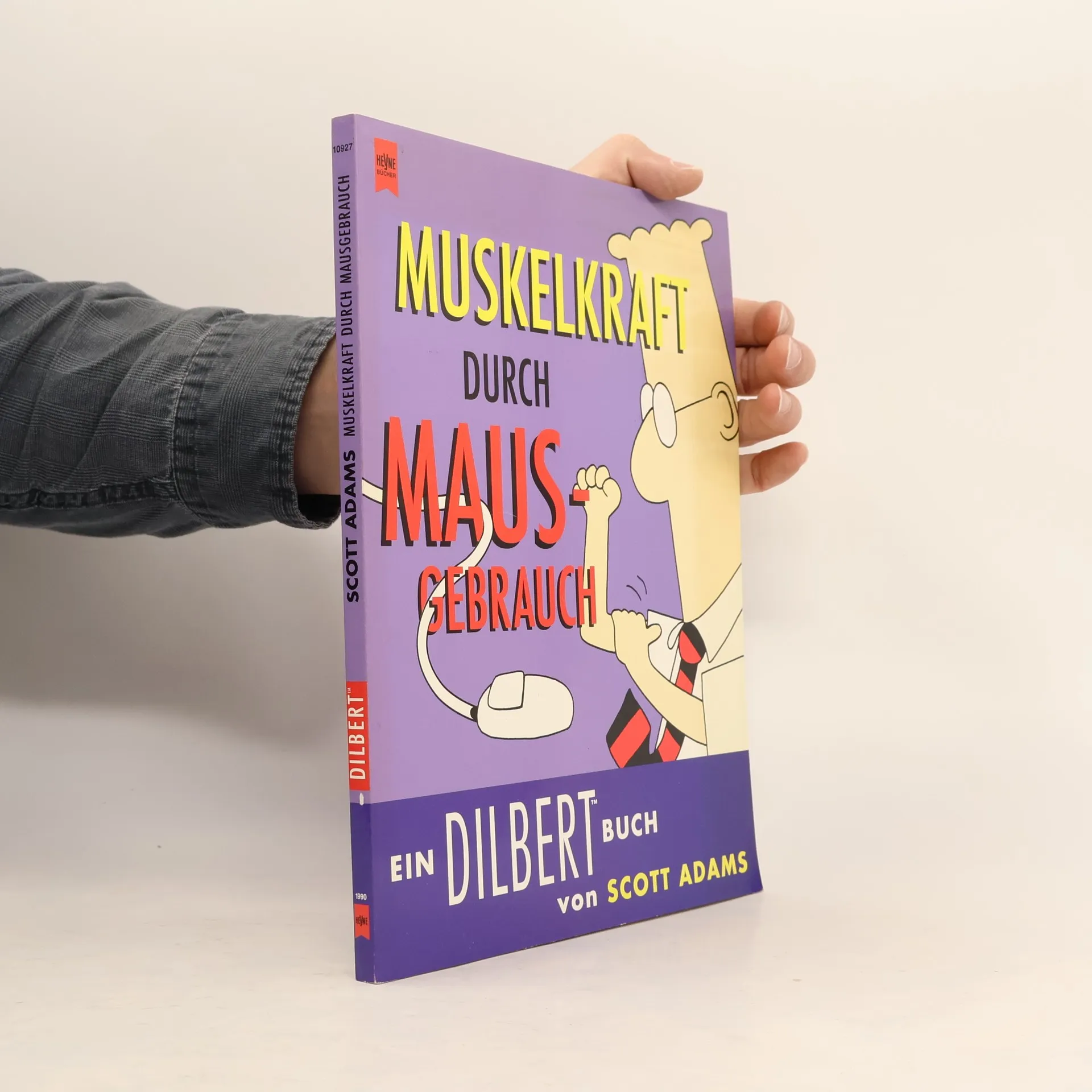
Contains Three Complete Dilbert Books: Still Pumped From Using the Mouse (1996), Casual Day Has Gone Too Far (1997), I'm Not Anti-Business, I'm Anti-Idiot (1998)
384 Seiten
14 Lesestunden
Together in one volume:Still Pumped from Using the Mouse (1996)Casual Day Has Gone Too Far (1997)I'm not Anti-Business, I'm Anti-Idiot (1998)
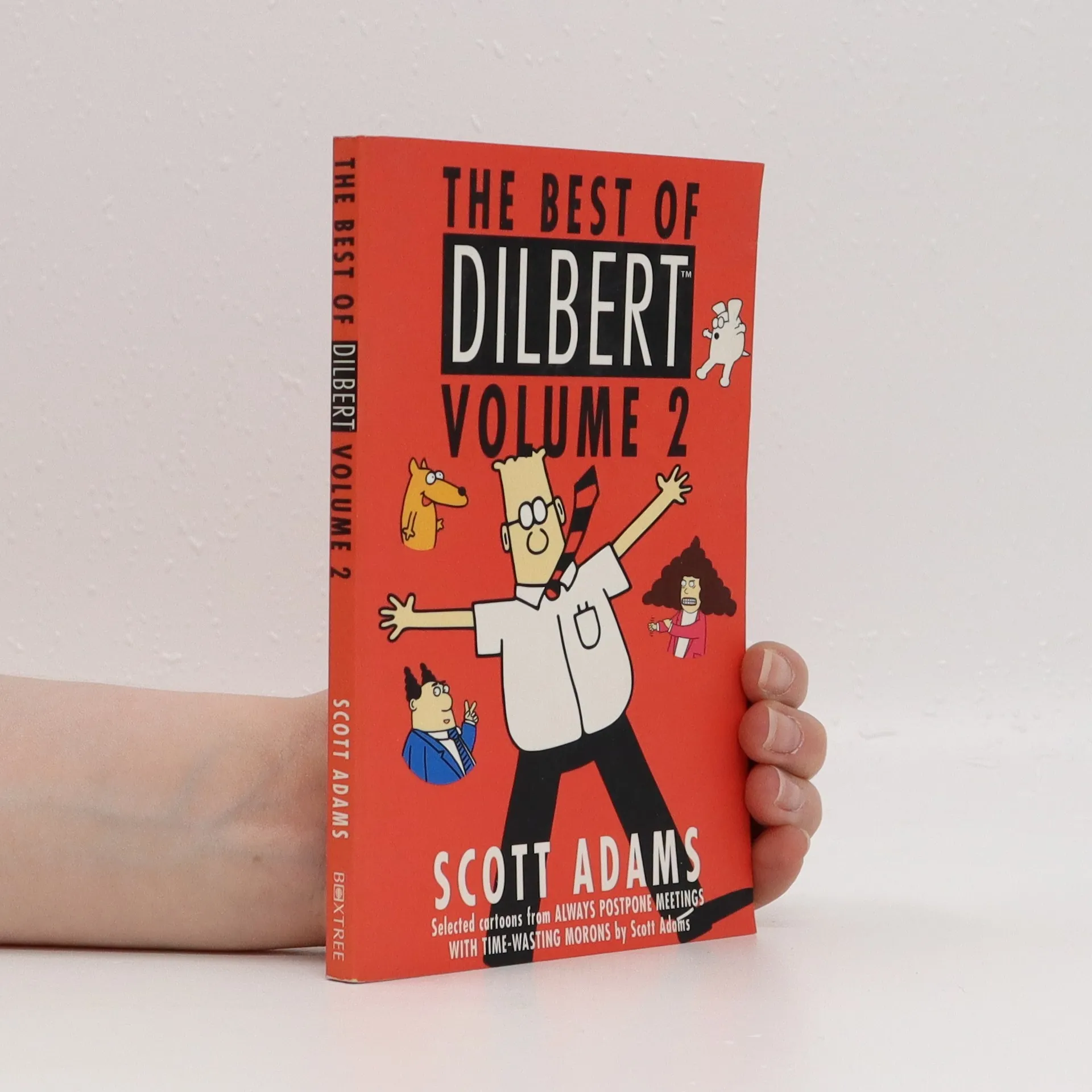
Featuring one selected strip per page, this best of chronicles the ups and downs of Dilbert and his cohorts. From his megalomaniac dog, Dogbert, to his clueless pointy-haired boss, this book is a roller-coaster ride through the lunacies of modern corporate life.
Dilbert and his co-workers--along with Dogbert, Catbert, and the boss--explore the mysteries of corporate America, from unusual personnel decisions and the worst meetings on record to schizoid secretaries and consultants from hell.
Scott Adams grandioses Cartoon-Frühwerk jetzt endlich in deutscher Übersetzung! Der 'Wilhelm Busch des Industriezeitalters' schickt Dilbert und seinen machthungrigen Hund Dogbert in die Abgründe der Bürowelt und des Alltags. Eine Neurose jagt nächste.
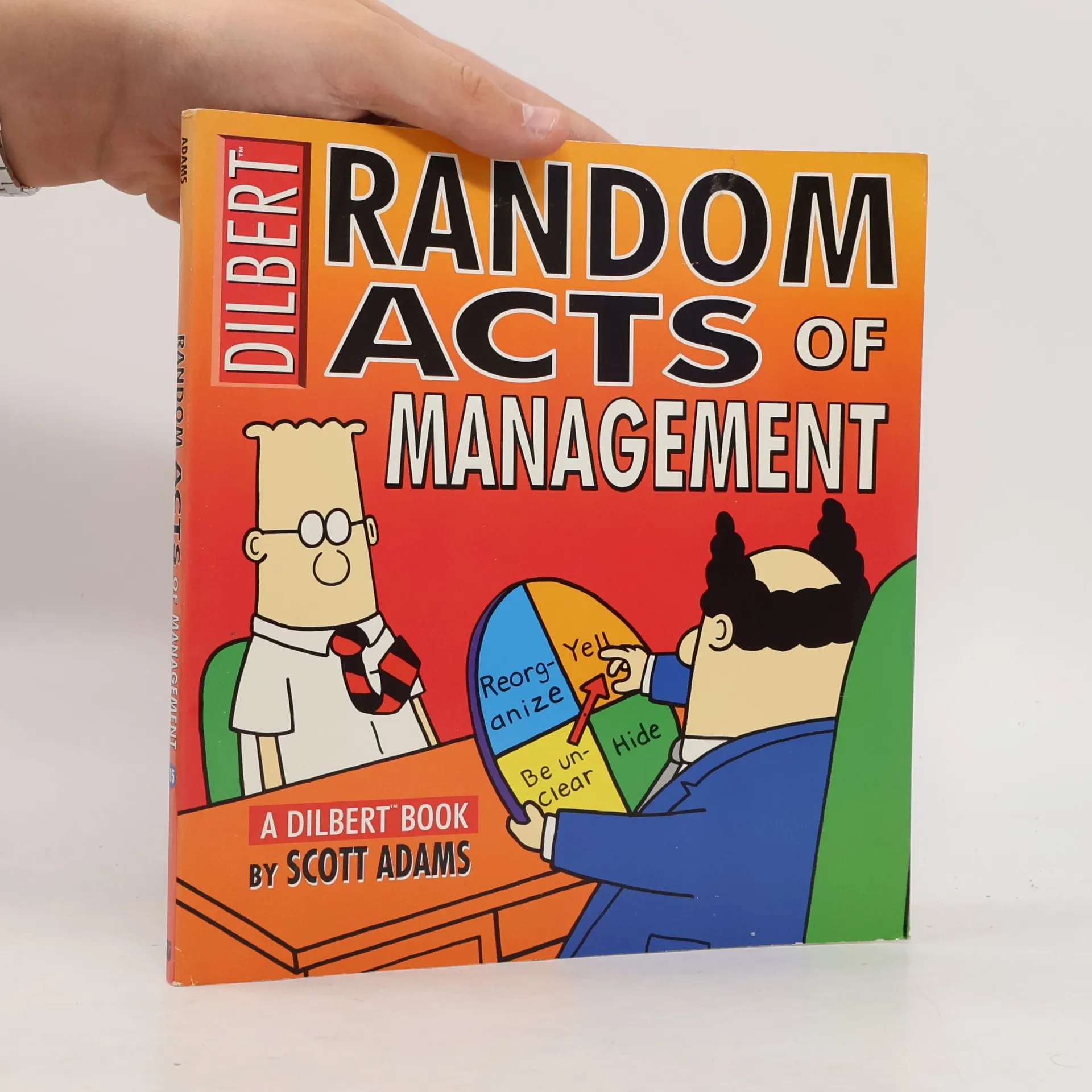
In Random Acts of Management , cartoonist Scott Adams offers sardonic glimpses once again into the lunatic office life of Dilbert, Dogbert, Wally, and others, as they work in an all-too-believably ludicrous setting filled with incompetent management, incomprehensible project acronyms, and minuscule raises. Everyone, it seems, identifies with Dilbert, who struggles to navigate the constant tribulations of absurd company policies and idiot management strategies.
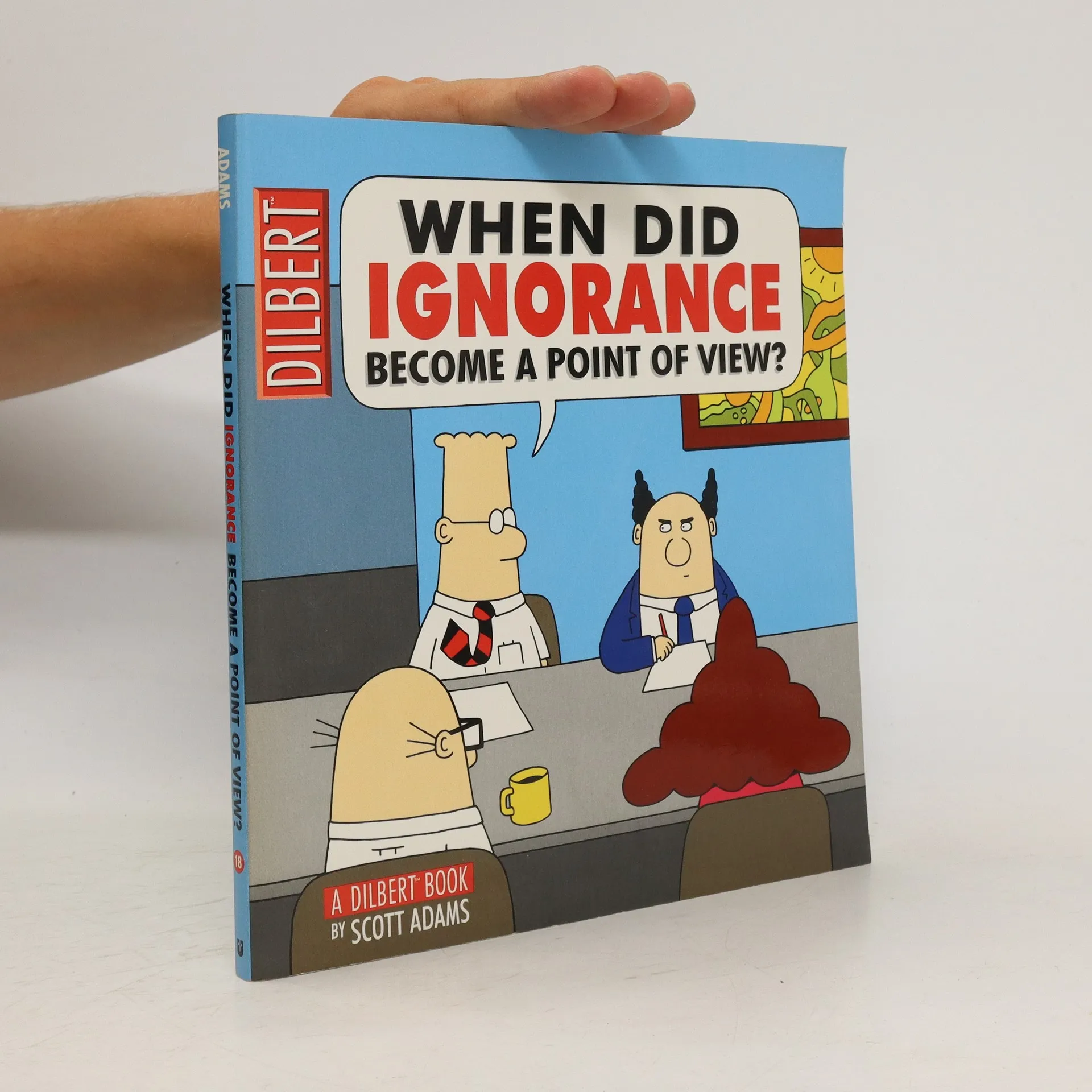
In his 18th collection, Dilbert and his power-hungry dog, Dogbert, once again provide comic relief to suppressed and repressed cubicle workers everywhere.
In this one volume, Scott Adams has collected the most pinned-up and downloaded strips from the last ten years. Dilbert fans can gorge on all his best cartoons, which are organised thematically.
Designed to generate impulse sales, titles in this line are carefully balanced for gift giving, self-purchase, or collecting. Little Books may be small in size, but they're big in titles and sales.
Eine Sammlung von Cartoons mit Dilbert, der trockene Beobachtungen über das Büroleben liefert, begleitet von Dogbert, seinem sarkastischen und machthungrigen Hund, der sich den menschlichen Idioten weit überlegen fühlt.
Dilbert and his co-workers continue to navigate a never-ending maze of mission-statement rhetoric, futile team-building exercises, and the torments of Dogbert
Ein Cartoonbuch mit der Figur Dilbert, das die Höhen und Tiefen des Lebens im Büro und darüber hinaus beleuchtet, von ahnungslosen Managemententscheidungen bis hin zu beinahe Revolten unter den Büroangestellten. Als die Büropolizei Plastikpflanzen verbietet, um dumme Insekten fernzuhalten, leistet Dilbert einen rebellischen Widerstand.
Egomane Chefs. Dumme Kollegen. Langweilige Routinen. Die Unternehmenswelt hat sich zu einer Wüste der Eintönigkeit und seelenlosen Arbeit entwickelt, die einem die Lebensenergie raubt und einen in einen gedankenlosen, gestressten Roboter verwandelt. Schluss damit. Es ist Zeit, die kreativen Säfte fließen zu lassen – im Dilbert-Stil. In diesem neuesten Ausflug in die absurde Welt des Geschäfts gibt uns Amerikas beliebtester Büroangestellter einen Plan an die Hand, um die Freude an der Arbeit wiederzuentdecken. Voller Tipps, um den Arbeitsplatz auf Kosten von Kollegen, Aktionären und der Zivilisation im Allgemeinen aufzupeppen, ist es meist absurd, aber immer lustig. Es bietet einen zeitgemäßen, präzisen Blick auf die Unternehmenswelt, der nie versagt, herzhaftes Lachen zu erzeugen.
Casual days are more than confusing for Dilbert and office workers in the '90s. "Studies have shown that Fridays are the only safe day to dress casually," Dogbert declares. "Any other day would cause a stock plunge." Casual Day Has Gone Too Far captures the issues that confront cubicle dwellers everywhere and is sure to continue the Dilbert-mania of worker bees and managers alike.
Dilbert is the Everyman in the down-sized, techno-centered workplace of the nineties. He's the corporately innocent engineer who experiences the absurdities and oddities of office life from his (sometimes shrinking) cubicle. Complemented by his sarcastic and power-hungry dog, Dogbert (aspiring Supreme Ruler of the Earth whose secret to happiness is "High expectations and your own bag of chips"), Dilbert provides humor on one of life's most insidious subjects: work. It's Obvious You Won't Survive by Your Wits Alone features nearly two years of Dilbert comic strips (including color Sunday cartoons!) that have never appeared in book form. Dilbert, created by Scott Adams, appears in more than 550 newspapers worldwide and is the Internet's number one comic strip. "The Dilbert Zone" is featured on United Media's World Wide Web site, which generates more than three million hits every week.
Scott Adams' Guided Tour of the Evolution of Dilbert
256 Seiten
9 Lesestunden
Since its debut in 1989, Dilbert has become the comic strip sensation, attracting fans from all corridors of working life. As Dilbert's popularity has grown, so has curiosity about the man behind the drawing table. Seven Years Of Highly Defective People is filled with Scott Adams' handwritten notes - notes that answer provocative questions such as, Which characters became unexpected "regulars"?, What objects are the most challenging to draw?, and Which strips became the biggest hits? This unique treasury is a tour of the origins and evolution of Dilbert's cast, and your tour guide is Dilbert's creator. Each chapter chronicles a different character using selected cartoons (from previous books) to illustrate each one's development. Scott Adams tells where the characters came from, why they do the things they do, and just what the heck he was thinking during the creative process. (Our theory is he was just tired.) You'd have to be an "Induhvidual" to miss out on this special collection.
Scott Adams provides an inside view of bosses, meetings, management fads and other workplace afflictions, through his cartoon character, Dilbert, and his colleagues. This collection presents each character in full profile, from Dilbert and Dogbert to Phil the Prince of Insufficient Light.
Endlich gibt es ein Buch über das Geschäftsleben, das man nicht beschönigen muss, wenn es um das Lesen geht. Es enthält Cartoons, sodass man es problemlos von Anfang bis Ende durchlesen kann.
Seit seinem Erscheinen im Jahr 1989 hat die Beliebtheit von Dilbert so schnell zugenommen, dass sie mittlerweile weltweit für Aufsehen sorgt. Die Welt von Dilbert gerät in Verwirrung, als Catbert verkündet, dass Freitage legere Tage sein sollen.
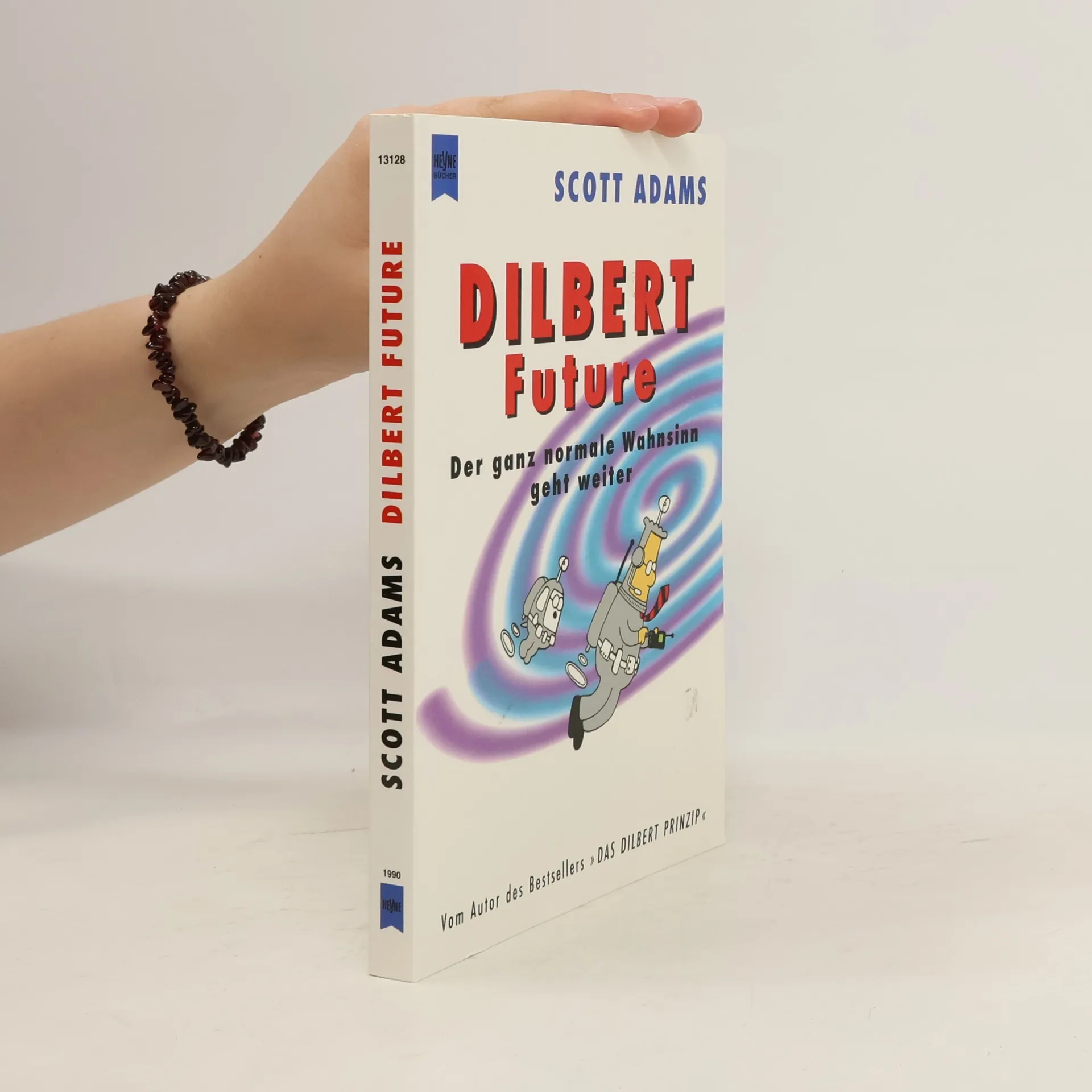
Mit Dilbert schon heute wissen, was morgen auf Sie zukommt. Nach den Bestsellern „Das Dilbert Prinzip“ und "Dogbert's top secret Management-Handuch" liefert der Held des Alltags seine neuesten Erkenntnisse aus der Arbeitswelt der Zukunft. Damit Sie vor unliebsamen Überraschungen sicher sein können.
Ausgehend vom Prinzip: "Die unfähigsten Mitarbeiter werden systematisch in die Position versetzt, in der sie am wenigsten Schaden anrichten können - ins Management!", schildert Scott Adams das Innenleben großer Unternehmen und die dort alltäglichen Absurditäten. Mit spitzer Feder und ironischer Distanz analysiert er die verschiedensten Themen des heutigen Büroalltags: Meetings, Downsizing, Teamarbeit, die großen Lügen des Managements, Projektmanagement, Budgetierung, Marketing, ISO 9000. Die satirischen Analysen sind angereichert mit einer Unzahl Cartoons seines Helden Dilbert, der die Konsequenzen des modernen Management auf seinen Büroalltag am eigenen Leib erleben muß. Alle 26 Kapitel rundet Adams mit Briefen leidgeprüfter Angestellter ab, deren tatsächliche Erlebnisse den Abenteuern Dilberts in nichts nachstehen. Eine höchst unterhaltsames Spiegelbild der nackten Wirklichkeit in den Unternehmen.
Wer hätte gedacht, daß trister Büroalltag den Gegenstand für einen famosen Comic-Strip abgeben würde? Vor 1989 niemand. Dann stellte Scott Adams seine Serie „Dilbert“ vor. Dem amerikanischen Zeichner ist es gelungen, die Besonderheiten des Computerzeitalters, der Managementtheorien und des Beraterwesens in seinen Comic zu integrieren. Dilbert ist dadurch für diejenigen zum Idol geworden, die unter solchen Bedingungen arbeiten – also für fast alle. Wir präsentieren eine Auswahl der Werktags- und Sonntagsfolgen.
Weitere Abenteuer des schüchternen Erfinders Dilbert, seines manischen Hundes Dogbert und einer Vielzahl anderer Charaktere, die erfolgreich die alltäglichen Lebens- und Arbeitsperipetien eines jeden von uns paraphrasieren.
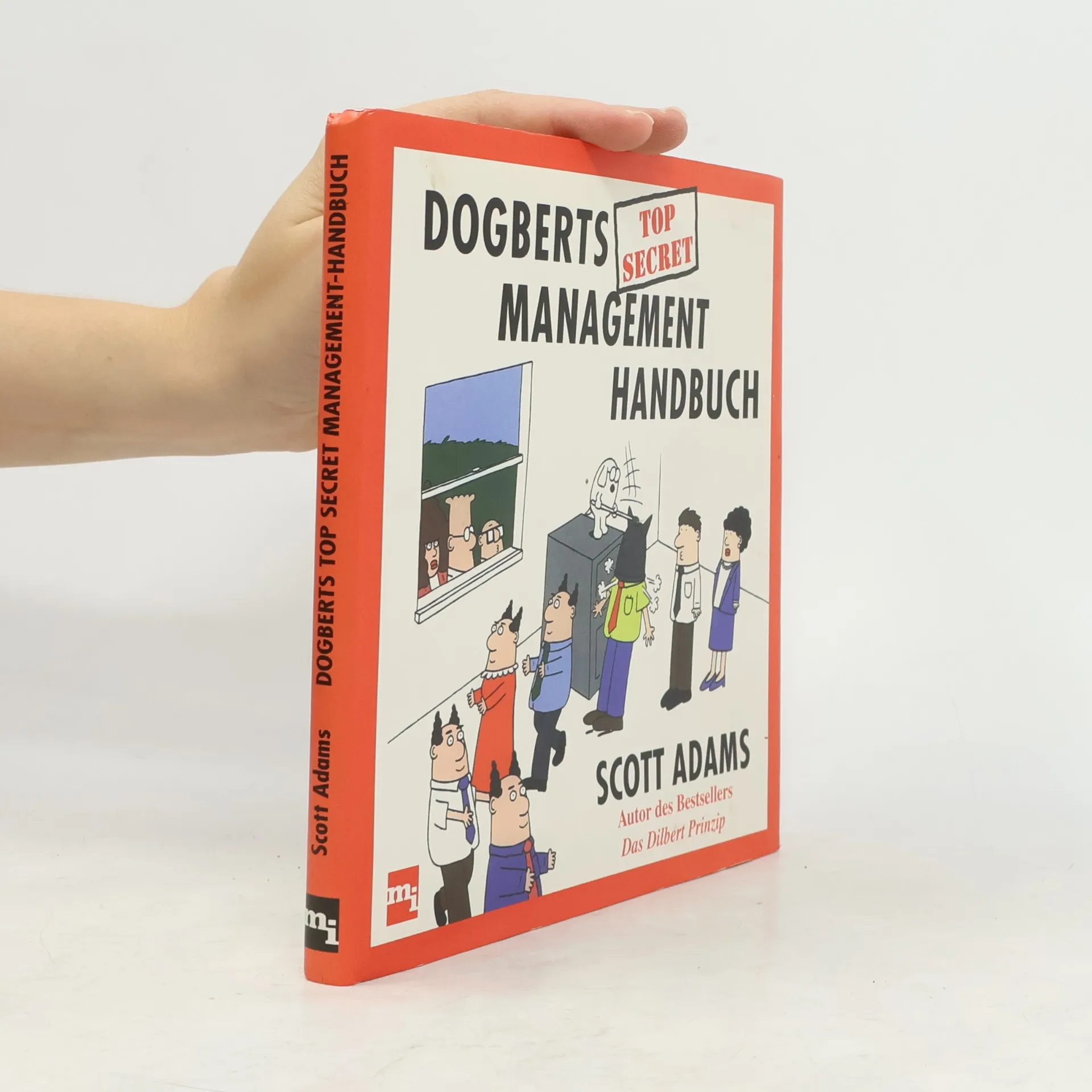
Der Schöpfer von Dilbert, dem schnell wachsenden Comicstrip in Amerika, bietet eine scharfsinnige Zusammenstellung von Cartoons, die die Absurditäten des Unternehmensmanagements hervorheben. Dilbert, in über 900 Zeitungen syndiziert und von mehr als 60 Millionen Menschen gelesen, ist zu einem kulturellen Phänomen geworden. In dieser neuesten Sammlung präsentiert Dogbert, Dilberts listiger vierbeiniger Begleiter, ein satirisches Managementhandbuch, das darauf abzielt, Chefs dabei zu helfen, ihre Mitarbeiter zu untergraben. Neue Manager machen oft den Fehler, gute Arbeit mit fairer Bezahlung zu belohnen, effektiv zu kommunizieren und die Effizienz der Abteilungen zu steigern. Dogbert warnt, dass solche Maßnahmen katastrophale Folgen haben können: Mitarbeiter könnten anfangen, faire Behandlung zu erwarten, produktive Arbeiter könnten ihre Chefs in den Schatten stellen, und zukünftige Budgets könnten aufgrund reduzierter Ausgabenbedarfe gekürzt werden. Dogberts Top Secret Management Handbook kombiniert aufschlussreiche Essays mit Hunderten von Comicstrips und veranschaulicht das Leid der Mitarbeiter im Arbeitsumfeld.
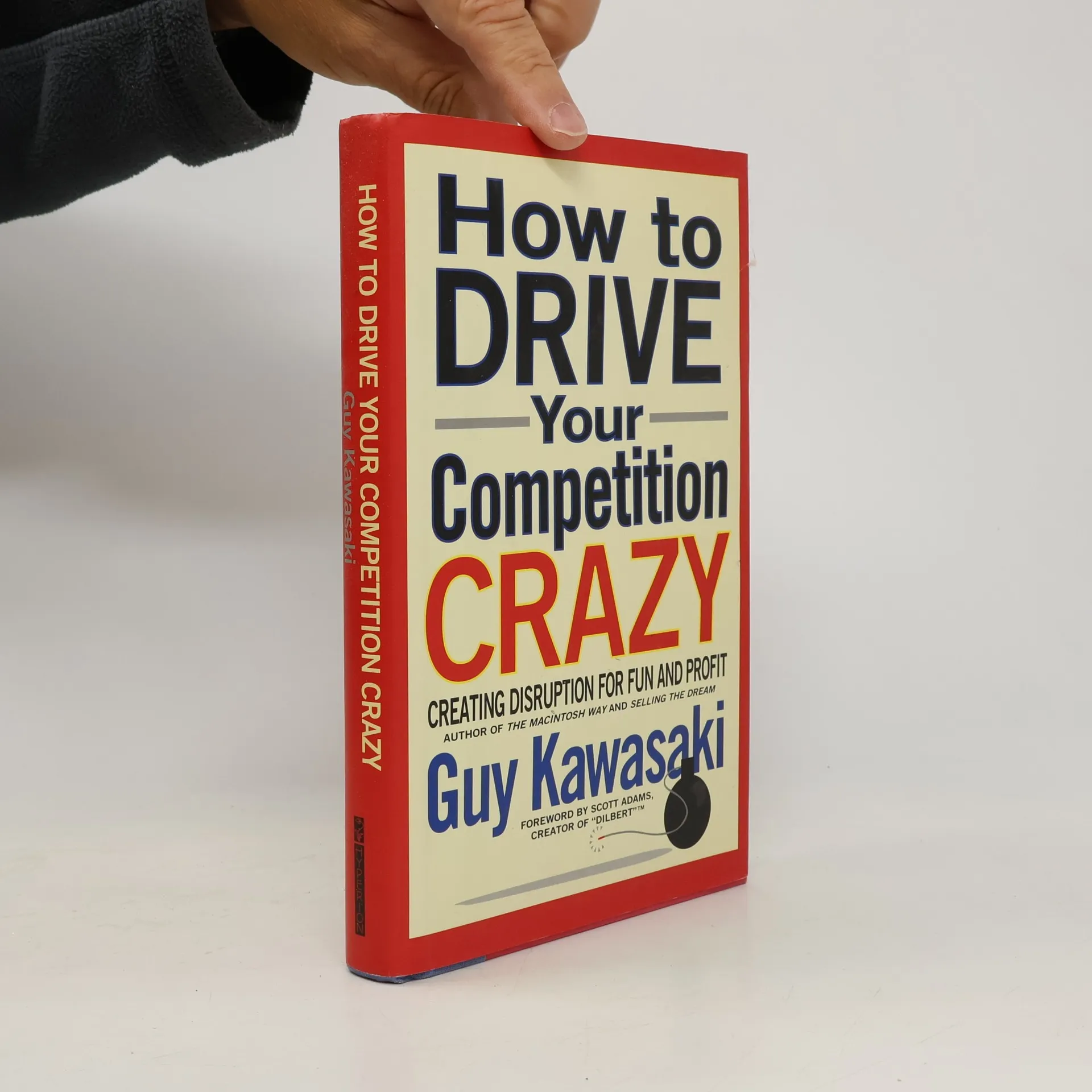
A rogue business strategist and Macintosh expert offers irreverent, unconventional, and extreme strategies in sales, marketing, production, and human resources to make one's company more competitive.
Dilbert ist der bekannteste, am häufigsten zitierte und reproduzierte Comicstrip der letzten zwanzig Jahre. Dilbert ist ein unglücklicher Ingenieur, der am besten in Bürostrukturen beobachtet werden kann. Sein einziger Freund, der brille tragende Hund Dogbert, plant, den Planeten zu erobern und die Menschen zu seinen Sklaven zu machen. Dilberts Comic richtet sich an alle, die das Gefühl haben, von Idioten umgeben zu sein. Schauen Sie sich um, und Sie werden schnell feststellen, dass dieser Comic genau für Sie ist.
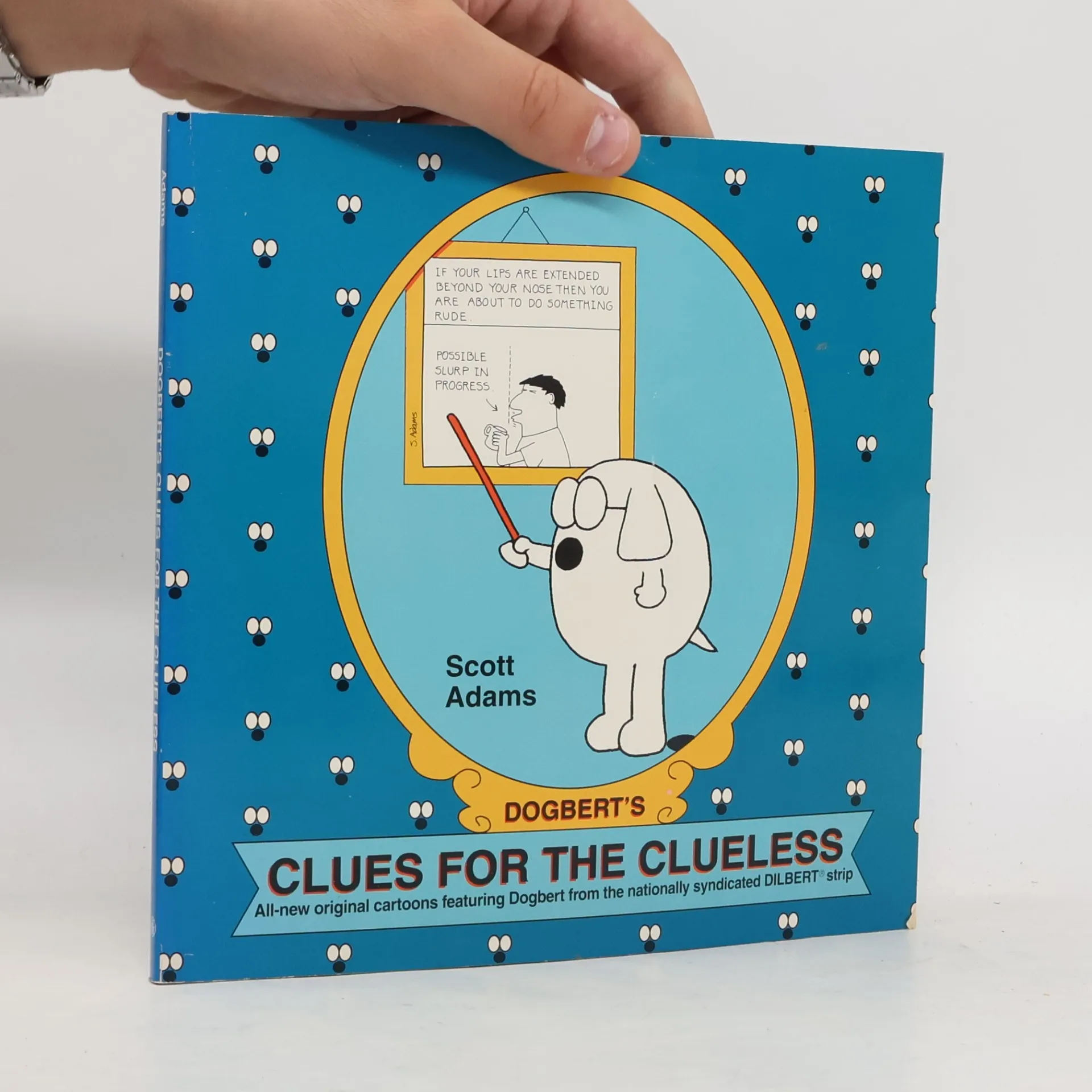
Dogbert, the domineering pet of a nerdy engineer in the nationally syndicated Dilbert comic strip, gives advice on such diverse niceties as elevator etiquette, rudeness warning signs, discouraging a serial talker, and knowing what to say about open zippers and bad hairpieces.