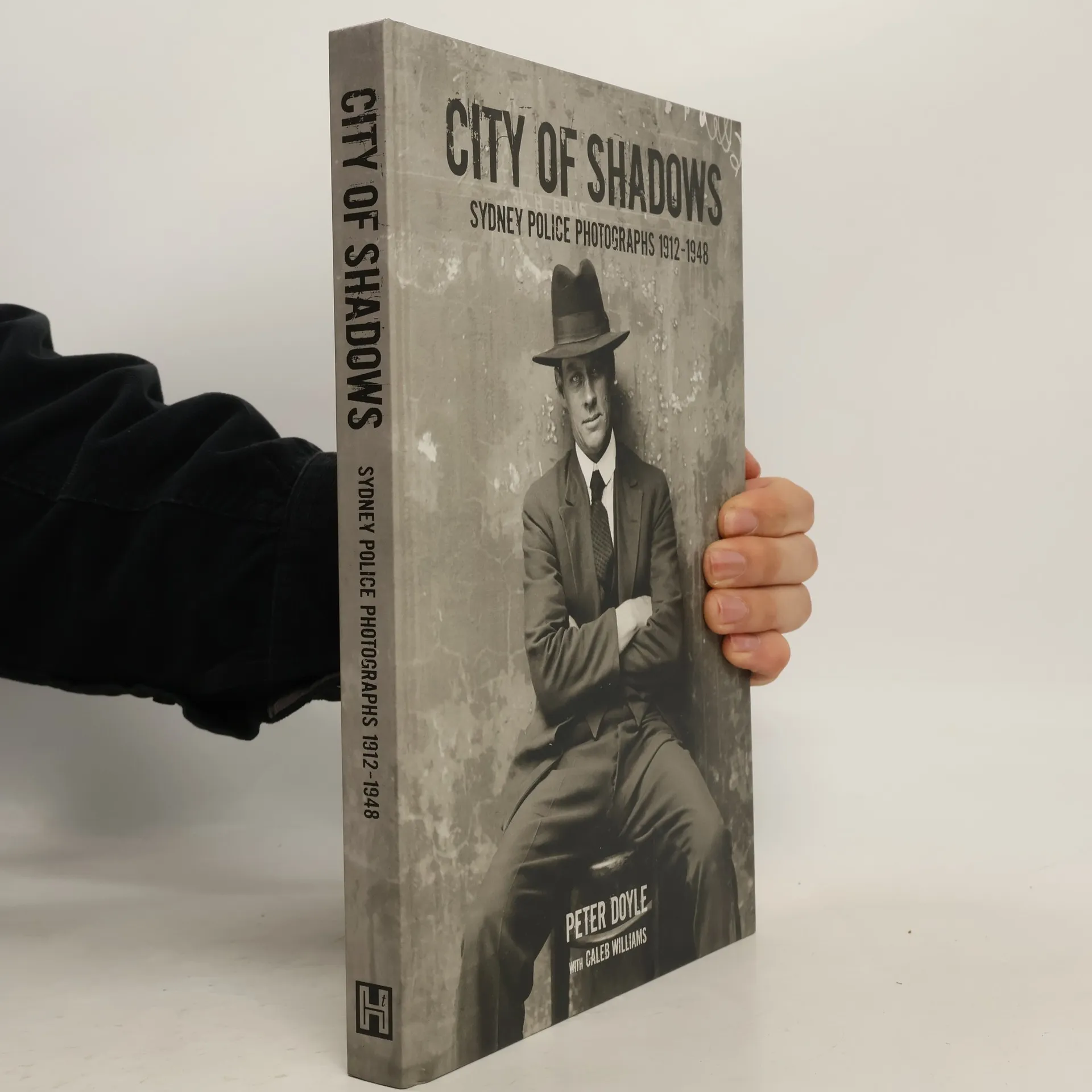
Peter Doyle schreibt fesselnde Kriminalromane, die sich oft um seinen markanten Protagonisten Billy Glasheen drehen. Seine Erzählungen tauchen mit einem scharfen Blick für Charakter und Handlung in die Verstrickungen des Verbrechens ein. Über seine fiktionalen Werke hinaus hat Doyle auch Sydneys Geschichte durch eindringliche Sammlungen von Polizeifotografien und Kriminalberichten beleuchtet. Seine Arbeit bietet den Lesern eine packende Erkundung der dunkleren Aspekte von Gesellschaft und menschlicher Natur.
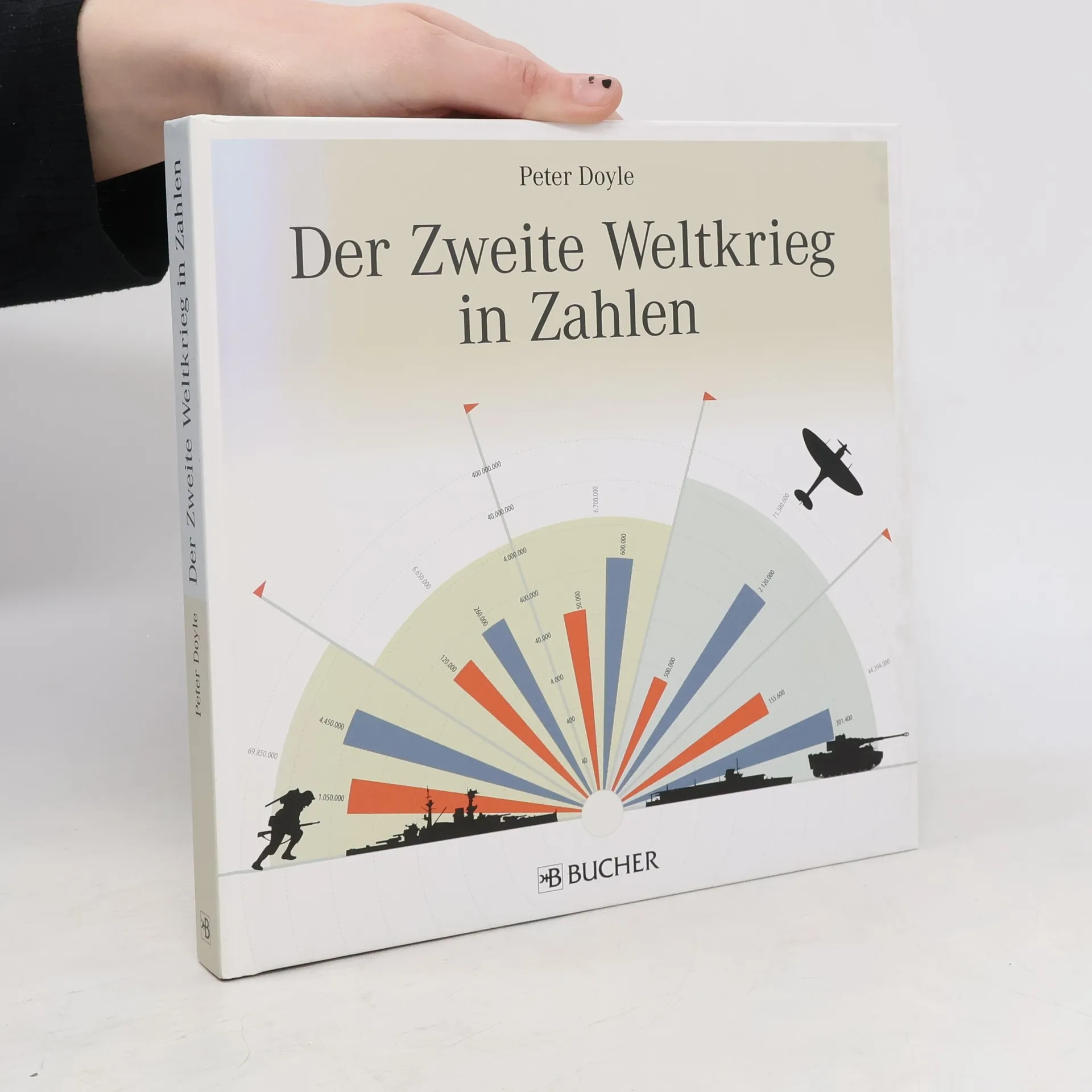
Die Schrecken eines Krieges werden oft erst in nackten Zahlen deutlich: keine verschleiernden Worte, keine beschönigenden Umschreibungen, stattdessen übersichtliche Karten, Diagramme, Tabellen und Infografiken. Autor Peter Doyle präsentiert u. a. Fakten zu Bevölkerungszahlen und Opfern, zur Bewaffnung der Boden-, Luft- und Marinetruppen, zu den Kosten des Krieges, zu den Auswirkungen auf die Länder Europas und auf die ganze Welt.
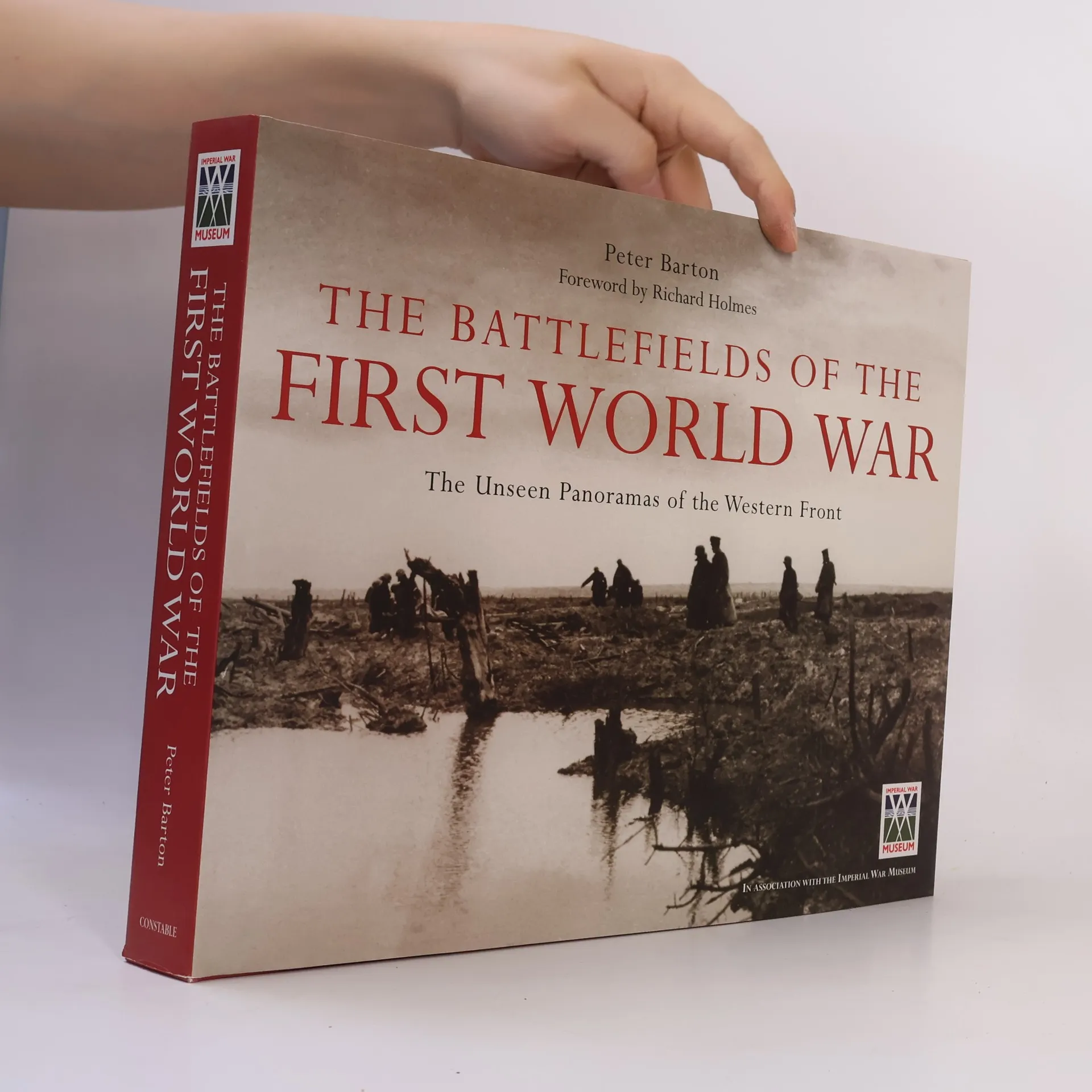
Experience the First World War's battlegrounds like never before, from the First Battle of Ypres to the grim mud of Passchendaele. This work presents stunning panoramas alongside poignant personal photographs and soldiers' recollections from the featured battles. The panoramic images, created by the British Royal Engineers for intelligence, resemble early satellite mapping. Photographers risked their lives, exposing themselves for extended periods to capture views typically seen only through a trench periscope. Many images offer a 160-degree field of view, revealing details like a soldier picking lice or a sniper in hiding.
Spanning the entire Western Front, these photographs have a profound impact on general audiences while providing specialists with insights into a lost world, contextualizing other archives temporally and geographically. They challenge common perceptions of the war, depicting not only the tortured landscapes of mud but also fields of flowers, beaches, and standing churches. While desperate scenes exist, the work emphasizes that much of the conflict unfolded in a recognizable, real landscape, offering a nuanced understanding of the war's environment.
The British soldier of the Great War has been depicted in many books. Recently, military historians have presented an alternative picture, a picture in which the hopelessness of the First World War is given new life and purpose.
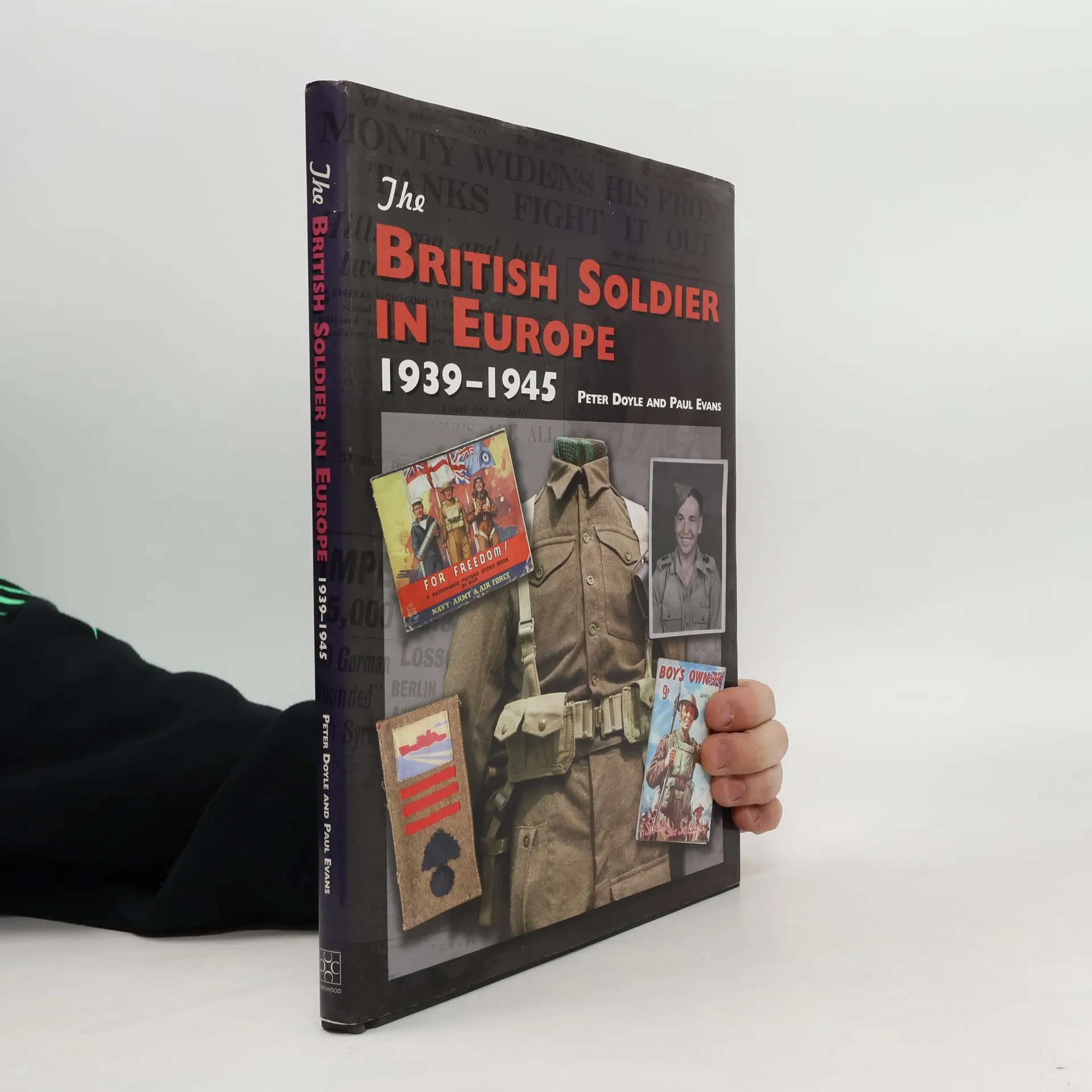
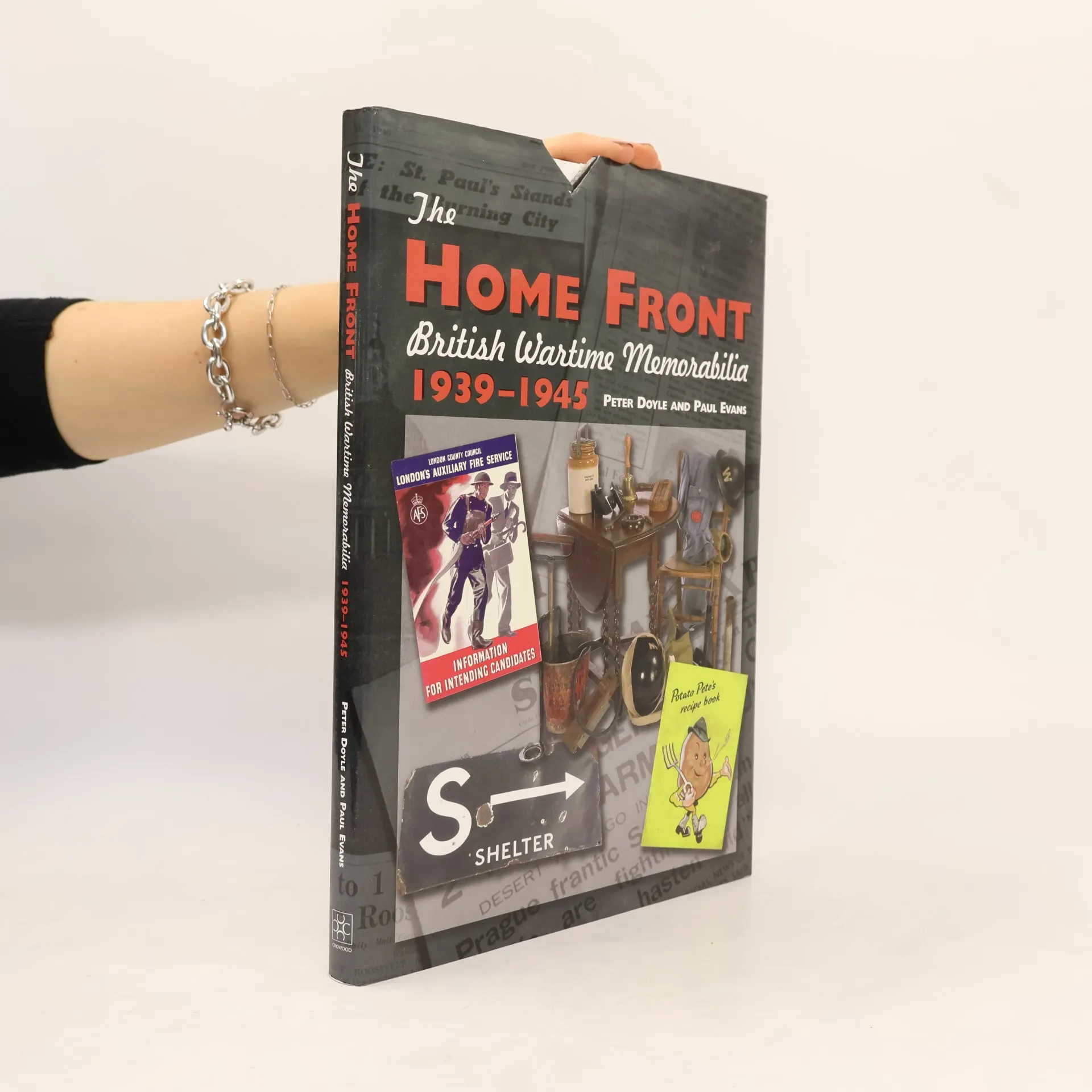
World War II was one of the defining periods of British history, a six-year period that saw Britain and its Commonwealth stand united against the tyranny of the Axis powers. With the nation initially ill-prepared to engage in war, the British Soldier suffered many trials and reverses of fortune before his central role in the Allied victory in Europe. After early defeats, some British soldiers endured long years of captivity in German POW camps, while others performed the vital duty of home defense and training for the inevitable return to the continent. Accompanying each of these aspects of the war, there were various items that give insight into the soldier's experience. In many cases, these items - uniforms, insignia, weapons or ephemera - have become highly collectable. Peter Doyle and Paul Evans have put together a huge selection of objects relating to the British soldier's experience from 1939-1945.
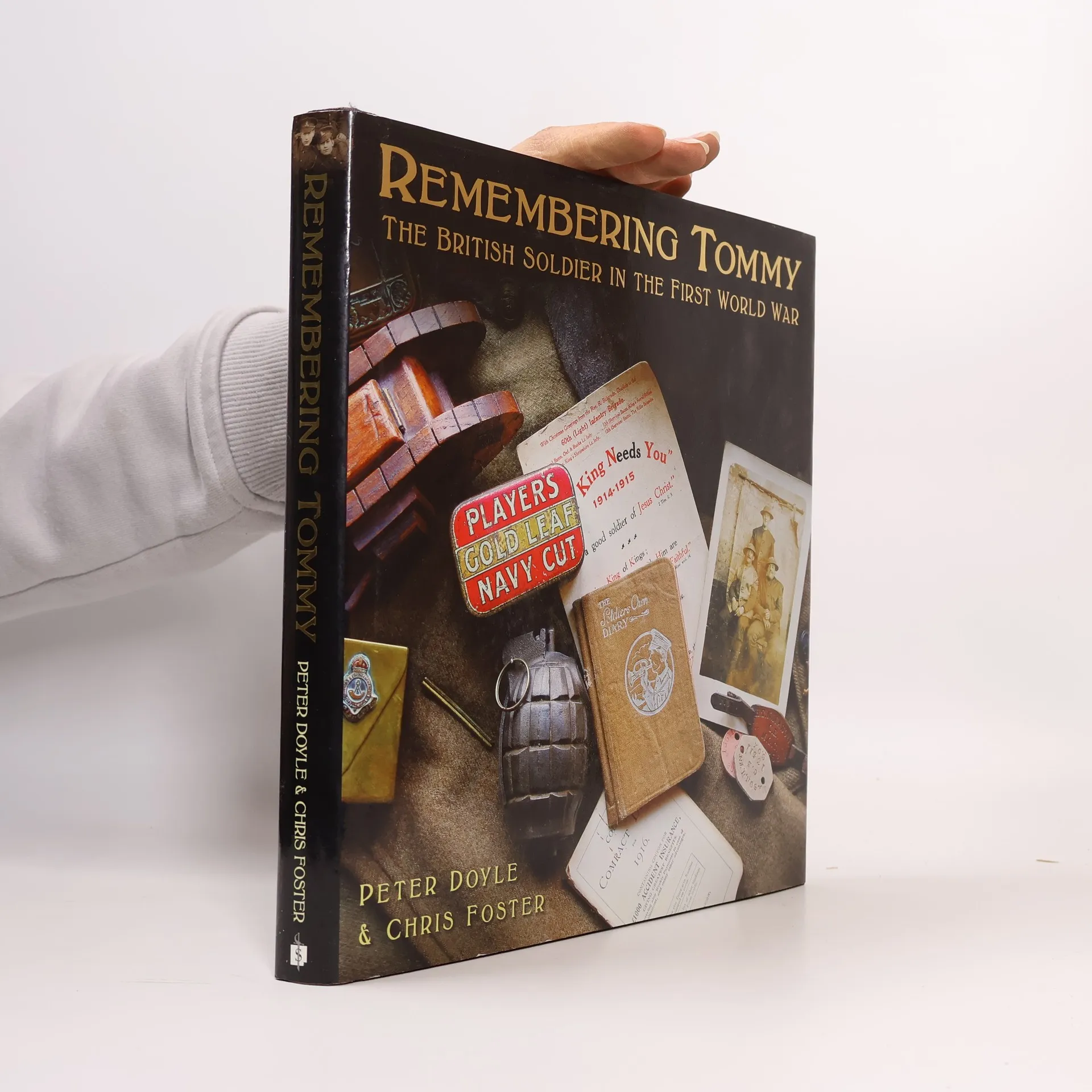
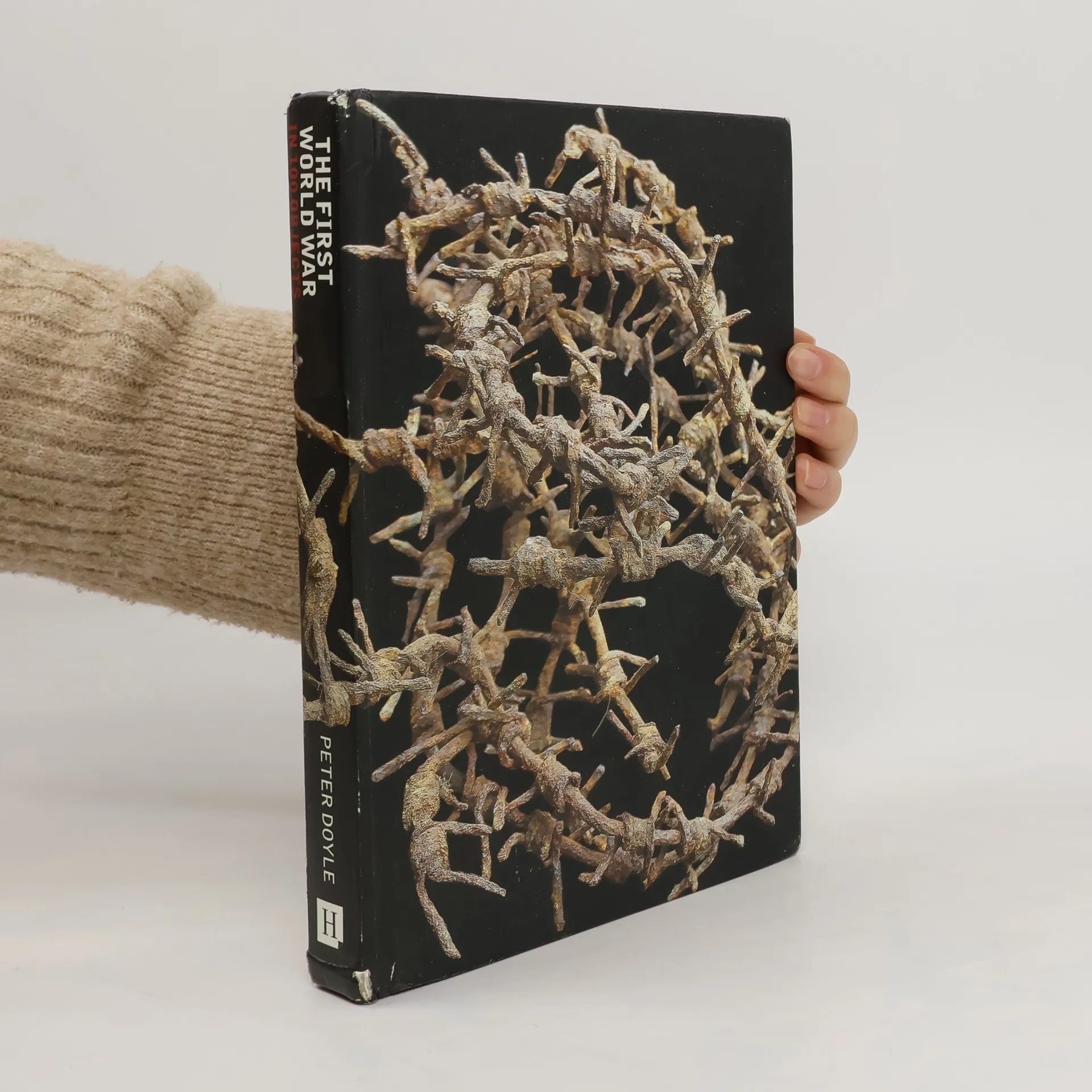
Objects allow us to reach out and touch the past and they play a living role in history today. Through them we can understand the experience of men and women during the First World War. They bear witness to the stories of men whose only morning comfort in the trenches was the rum ration, children who grew up with only one photograph of the father that they would never get to know, women who would sacrifice their girlhood in hospitals yards from the frontline, pinning a brooch on to remind themselves of a past life. Weapons like the machine gun and vehicles like the tank that transformed the battlefield; planes that had barely learnt to be flown entangled in dogfights far above the barbed wire of the frontline; German submarines that stalked shipping across the seas. Through these incredible artefacts, Peter Doyle tells the story of the First World War in a whole new light.
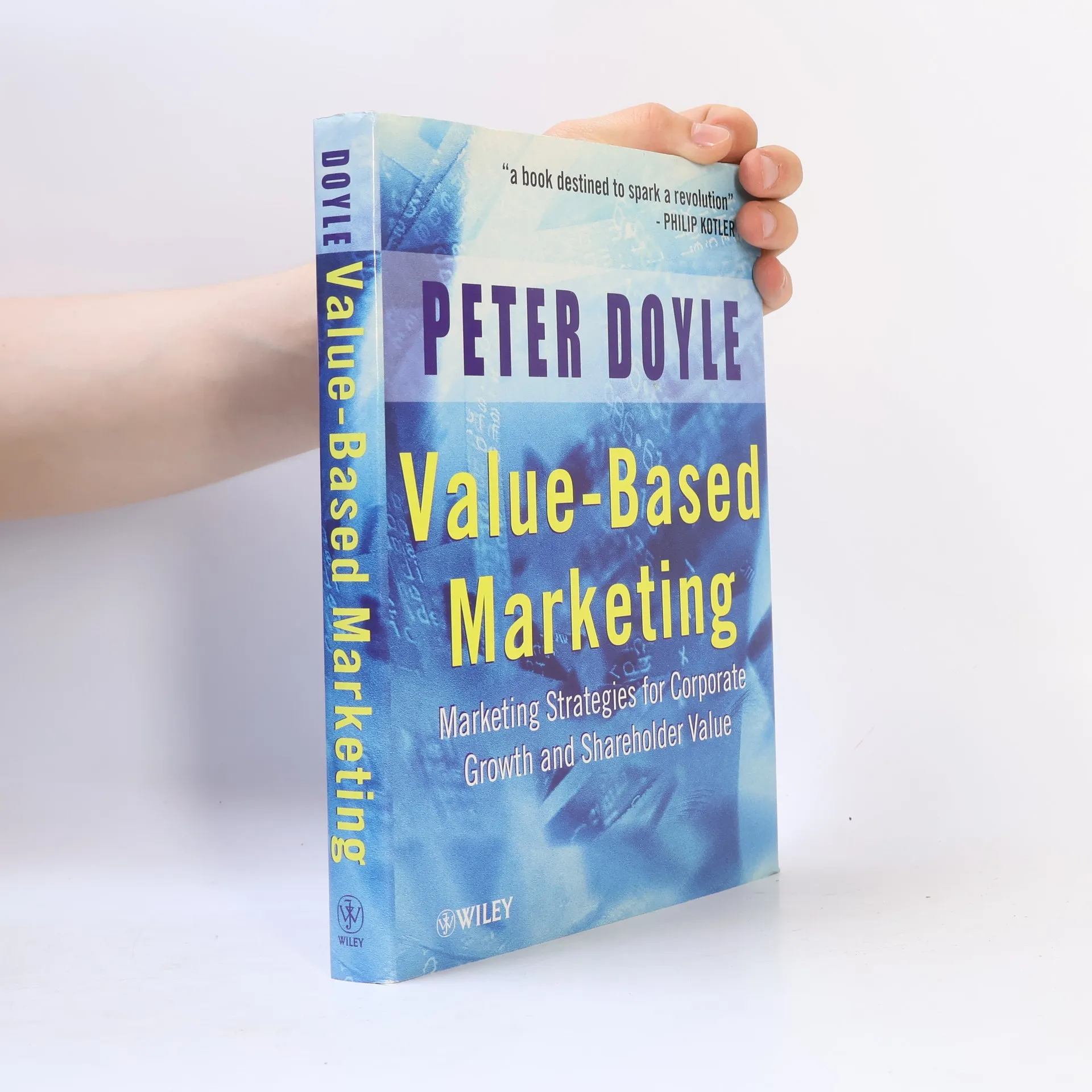
Providing a practical guide to marketing decision-making and to developing marketing strategy, this text focuses on the issues of most concern to senior executives. The role of marketing in the modern organization is explored through a review of important concepts and techniques.
For those living in Britain between 1939 and 1945, the war was an ever-present reality. Huge numbers of objects relating to the war effort at home were manufactured and became commonplace in homes up and down the land. This work talks about this issue.
Marketing Strategies for Corporate Growth and Shareholder Value
384 Seiten
14 Lesestunden
This seminal work reformulates marketing around creating shareholder value, integrating it with management's primary objective. It serves as a practical guide for developing marketing strategies that drive growth and enhance shareholder value, making it essential for top management and MBAs. Historically, marketing has not significantly impacted management due to unclear objectives and weak foundations. This book clarifies marketing's goals and establishes a solid intellectual basis, aligning it with the modern focus on maximizing long-term returns to shareholders. It redefines marketing's role in contributing to shareholder value creation and examines its implications for marketing planning, brand management, pricing, communications, distribution, and online strategies.
The increasing emphasis on shareholder value as a performance metric presents a unique opportunity for marketing to expand its influence in shaping strategic direction. The book offers a clear introduction to shareholder value analysis and practical tools for aligning marketing initiatives with the financial frameworks used by boards of directors. For top management and CFOs, it elucidates how marketing contributes to shareholder value and provides guidance on evaluating strategies to enhance the relevance and effectiveness of marketing efforts within their organizations.