Exploring the depths of mental health struggles, the memoir delves into the author's personal encounters with psychiatric institutions and the fear they evoke. Arthur candidly recounts his experiences with inner turmoil and psychosis while also embarking on a global journey to Brazil, Japan, and Peru. His quest for alternative healing methods offers diverse perspectives on mental health, providing insight into the complexities of the human psyche and the search for stability amidst chaos.
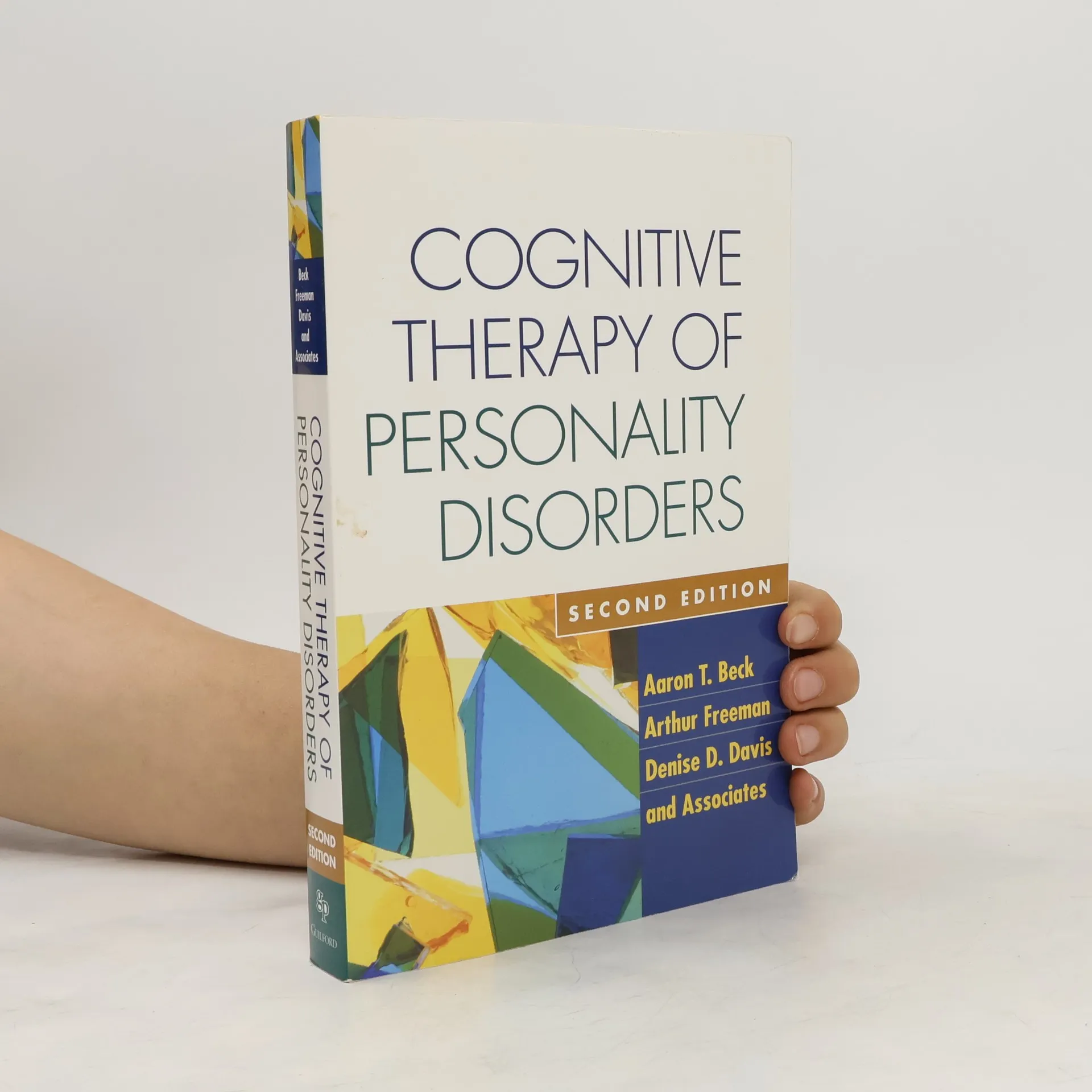
Cognitive therapy of the personality disorders has continued to advance since the initial publication of this landmark work. Now Aaron T. Beck and his distinguished colleagues present an extensively rewritten and updated second edition, incorporating over a decade's worth of significant theoretical, clinical, and empirical gains. In one volume, the authors offer both a comprehensive overview of scientific knowledge and a detailed guide to individualized intervention. Practitioners gain essential tools for effectively managing their most complex, challenging cases - and providing real help to patients who once might have been considered untreatable. Timely and authoritative, this indispensable volume belongs on the desks of clinical psychologists, psychiatrists, clinical social workers, counselors, and other mental health practitioners, as well as students and residents in these fields. It will serve as a core text in advanced undergraduate- and graduate-level courses and in psychiatric residency programs.
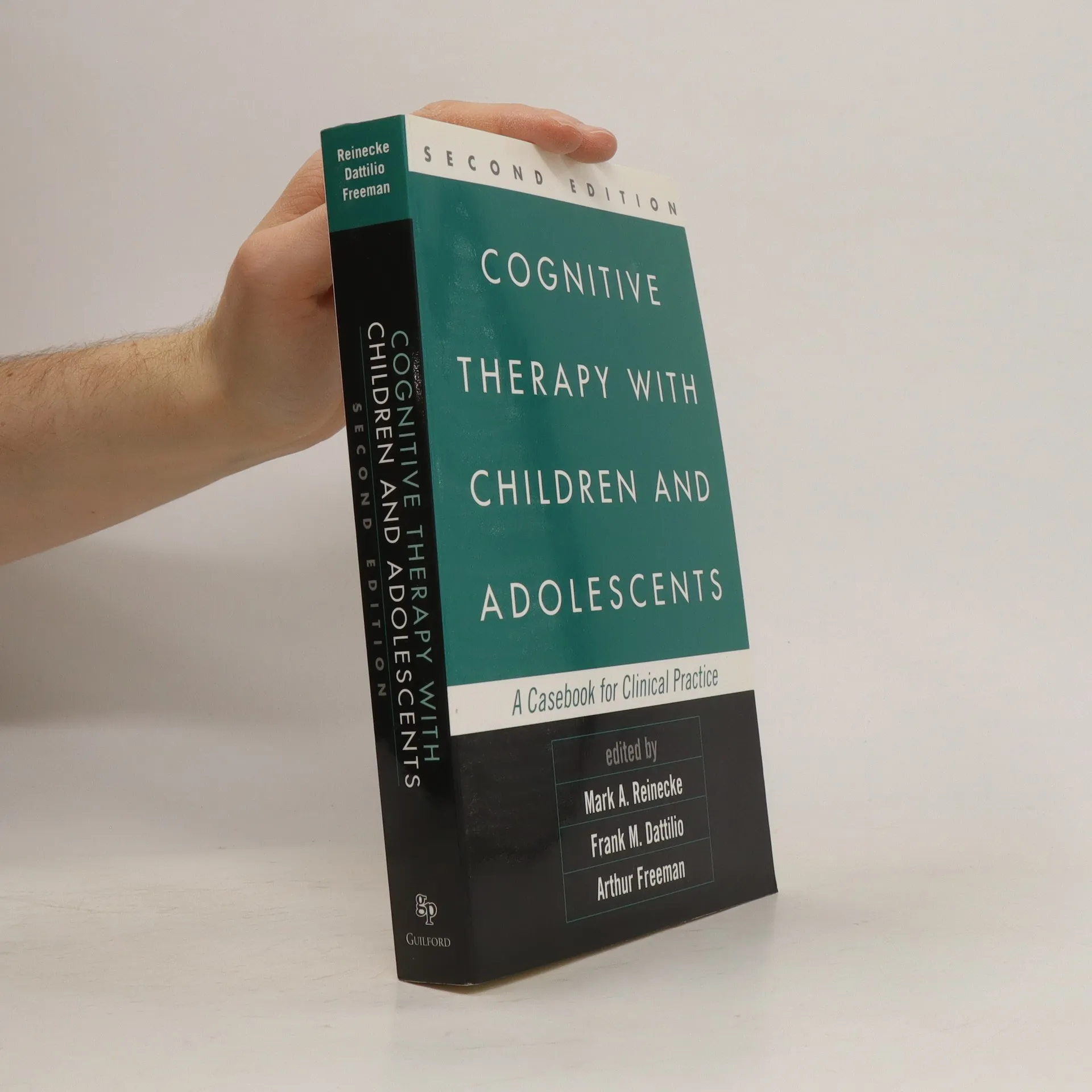
This clinically oriented casebook and text presents empirically supported interventions for a wide range of child and adolescent problems. Leading cognitive-behavioral therapists demonstrate assessment and treatment approaches that have been carefully adapted--or specially designed--to meet the needs of young patients. Following a consistent format, each chapter reviews the relevant literature and presents an extended case example bringing to life what an experienced therapist might do, why, and how to do it.
Borderline personality disorder (BPD) frequently creates turmoil, dysfunction, and impairment in the lives of diagnosed people, as well as among their families, friends, and colleagues. The disorder and lack of control that characterize BPD are, however, organized around consistent habits. The Taking Control Program presented by Fusco and Freeman targets these patterns, helping people understand, address, and, eventually, alter them for the better. Borderline Personality Disorder: A Patient’s Guide to Taking Control is your means to begin to take command of your life by following the therapeutic course described in these pages. Chapter by chapter, you will explore the nine basic patterns that typify BPD. Once you understand each of these patters, you will then assess the degree to which you exhibit any number of those patterns and learn various strategies that you can adopt to address those habits. The Patient’s Guide provides a step-by-step cognitive program rich in worksheets and exercises to facilitate your personal process of self-examination and problem solving. Fusco and Freeman offer those diagnosed with BPD, as well as their therapists, invaluable guidance in negotiating the pitfalls of BPD as you move ahead toward the prospect of retaking control over your life.
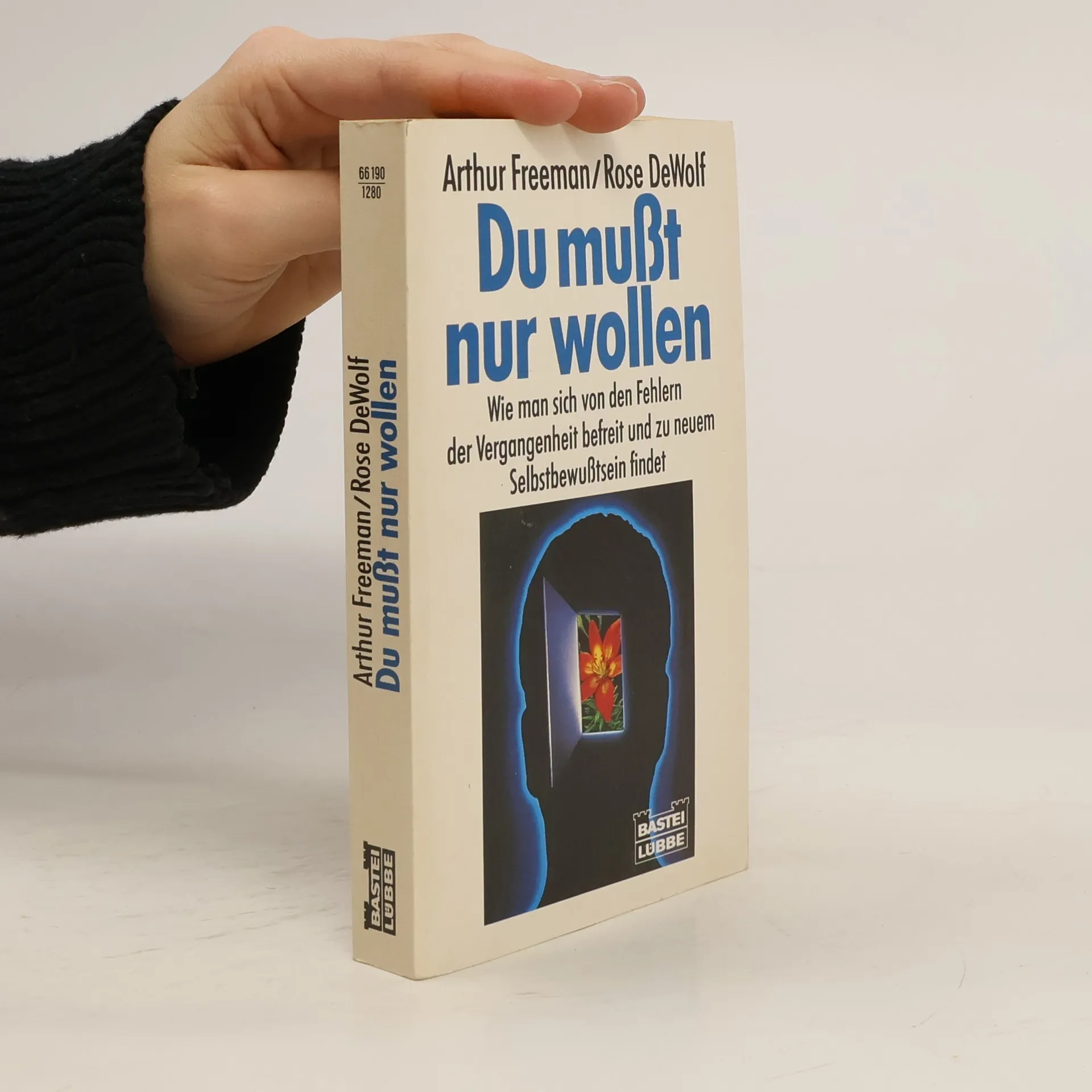
Warum tun wir Dinge, von denen wir genau wissen, daß sie dumm sind, oder bei denen sich zumindest im nachhinein herausstellt, daß sie falsch waren? Ob Sie an Perfektionismus, Besserwisserei, am ewigen Ja-aber-Sagen oder an der Sucht leiden, sich ständig mit anderen zu vergleichen - Arthur Freeman und Rose DeWolf führen klassische Denkfallen vor, die in unseren Einstellungen begründet sind und unser Leben entscheidend prägen. Vor allem aber zeigen sie überzeugende Möglichkeiten, wie man selbstbehinderndes Denken ändern und damit mehr persönliche Lebensfreude gewinnen kann.