Faith D’Aluisio ist die Herausgeberin und Hauptautorin der Buchreihe Material World. Ihre Arbeit befasst sich mit der Schnittstelle von menschlicher Kultur und der Welt um uns herum, oft durch ungewöhnliche und faszinierende Themen. Durch ihr Schreiben deckt sie verborgene Erzählungen und tiefere Bedeutungen sowohl in alltäglichen als auch in außergewöhnlichen Lebensaspekten auf und lädt die Leser ein, die Welt neu zu sehen.
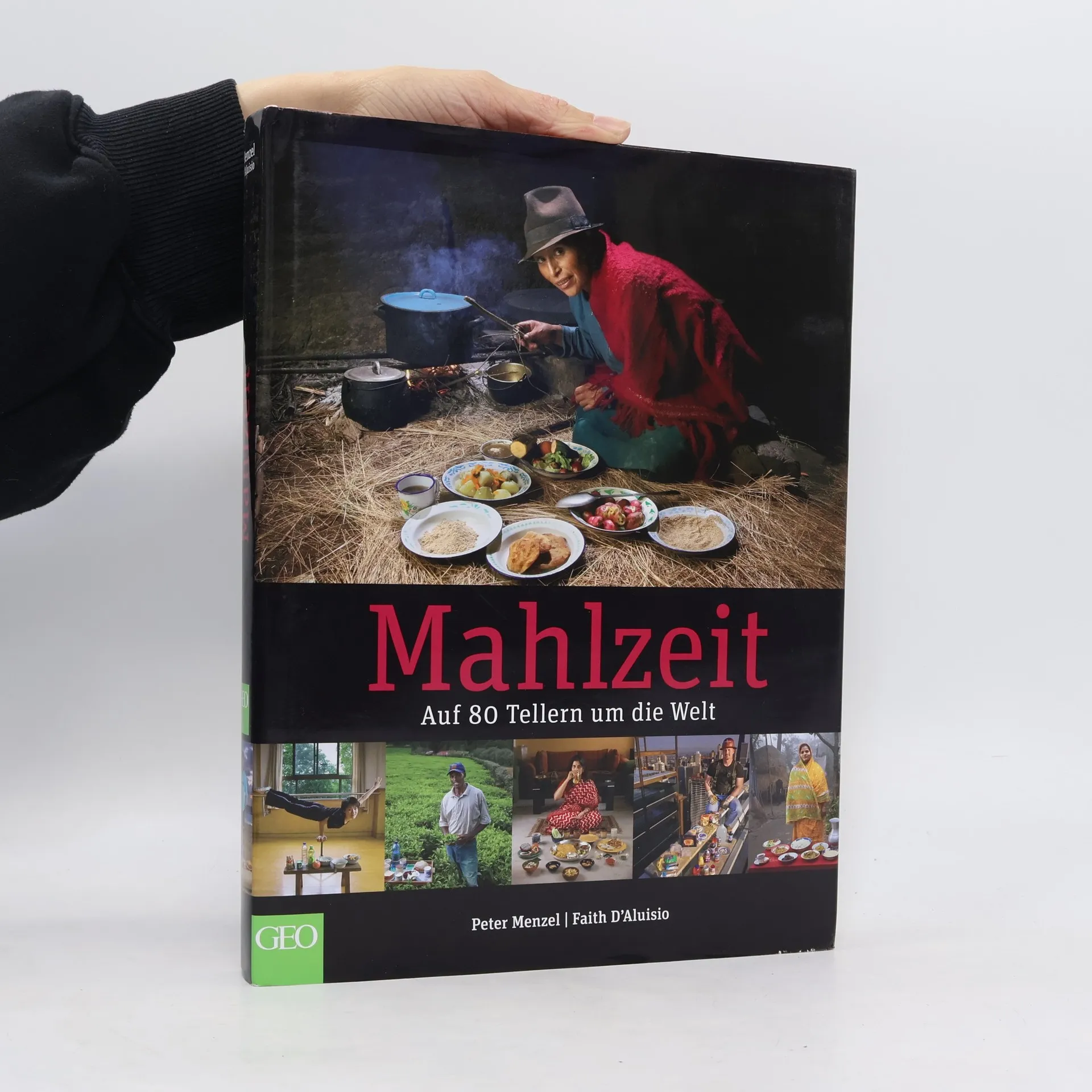
„Mahlzeit - Auf 80 Tellern um die Welt“ ist ein Buch, das man nicht jeden Tag auf den Tisch bekommt. in 30 Ländern rund um den Globus hat das Journalisten Duo die Essgewohnheiten ganz unterschiedlicher Menschen studiert und fotografiert. Von Menschen, die mit 500 bis 2000 Kalorien am Tag auskommen (müssen), und solchen die bis 20.000 Kalorien am Tag verdrücken. Ein außergewöhnlicher Einblick in den Huger der Weltbevölkerung: von der Nomadin bis zum Astronauten, von der Zirkusakrobatin bis zum Sumo-Ringer.
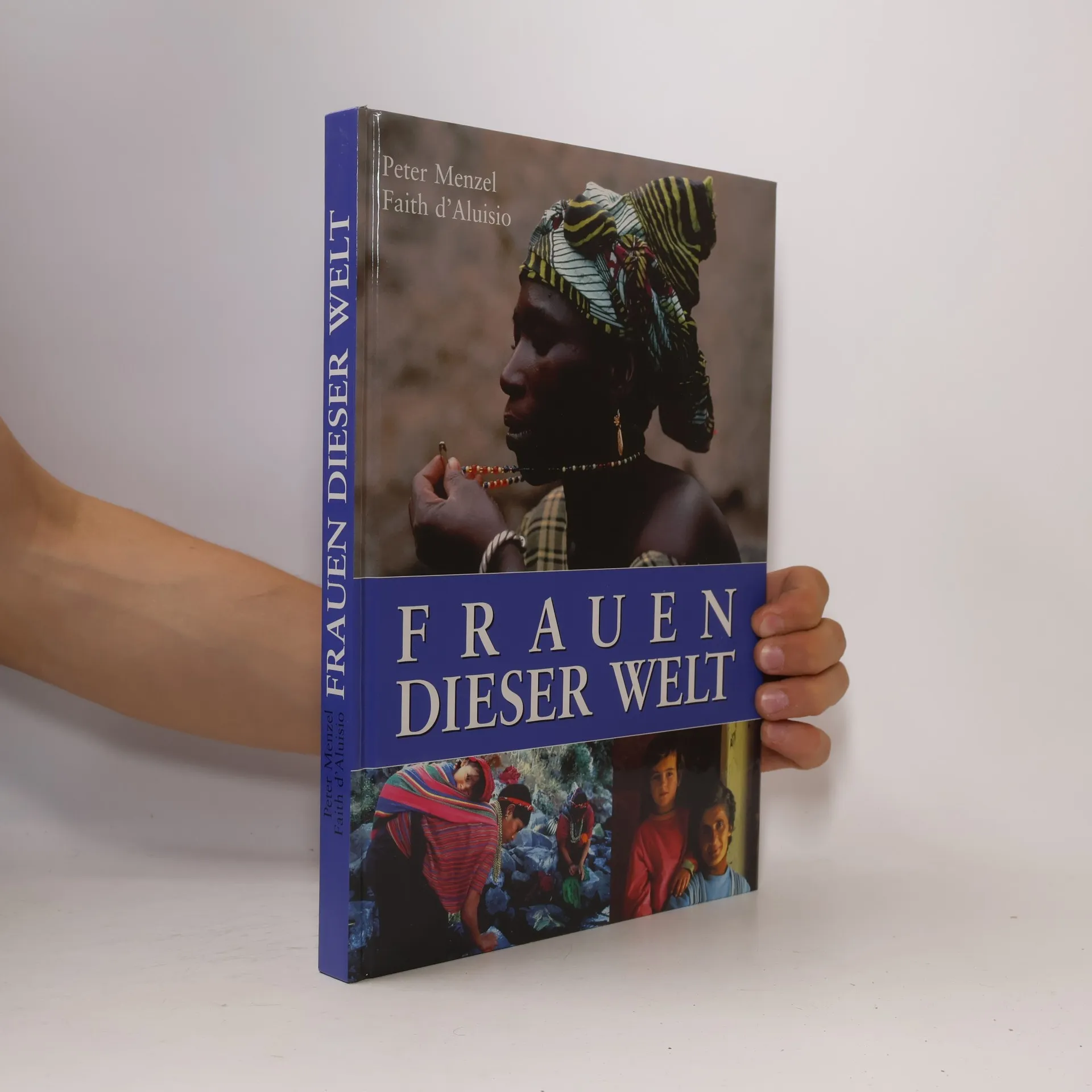
20 Familien-Frauen aus verschiedenen Landern und Kulturen sprechen uber ihr Leben, ihre Hoffnungen, Traume, Freuden und Sorgen. Der Bildband zeigt ein faszinierendes Weltbild der Frau, mit hinreissenden Fotos und vielen Informationen und Daten. (Quelle: Katalog SBE)
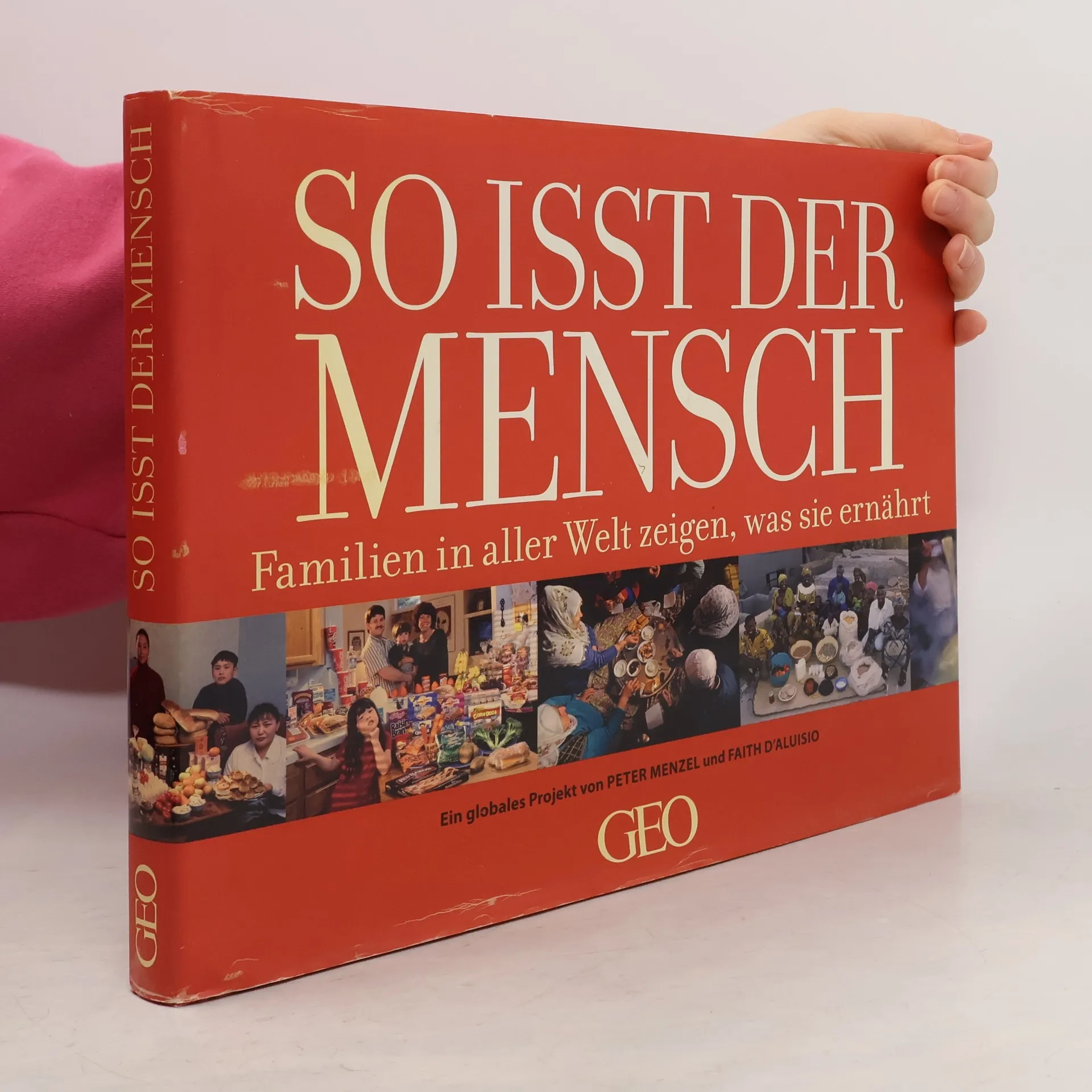
Familien in aller Welt zeigen, was sie ernährt ; ein globales Projekt
287 Seiten
11 Lesestunden
Ein reichhaltiger, kulinarischer Atlas der Welt im Zeitalter grosser Veränderungen. Auf den ansprechenden Fotos sind Wochenrationen von 30 Familien aus 24 Ländern abgebildet. Im Vergleich der Bilder werden einerseits eine Vermischung und Angleichung der Lebensmittelkultur und andererseits kulturelle Eigenarten, Geschichte und soziale Situation sichtbar. Offensichtlich wird auch, wie sehr Ernährung und Gesundheit von Faktoren wie Armut, Krieg oder Globalisierung abhängen.
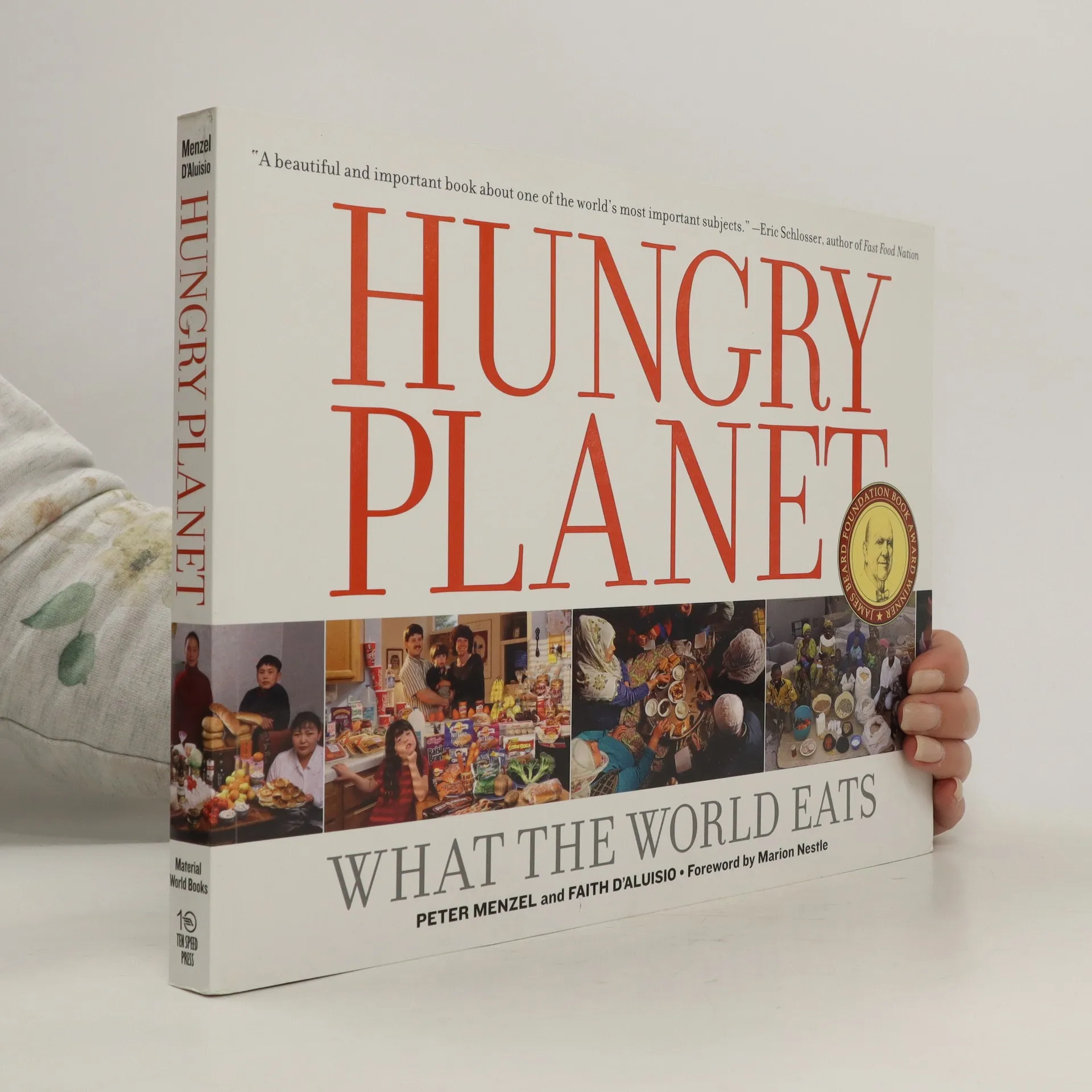
On the banks of Mali's Niger River, Soumana Natomo and his family gather for a communal dinner of millet porridge with tamarind juice. In the USA, the Ronayne-Caven family enjoys corndogs-on-a-stick with a tossed green salad. This age-old practice of sitting down to a family meal is undergoing unprecedented change as rising world affluence and trade, along with the spread of global food conglomerates, transform diets worldwide. In HUNGRY PLANET, the creative team behind the best-selling Material World, Women in the Material World, and MAN EATING BUGS presents a photographic study of families from around the world, revealing what people eat during the course of one week. Each family's profile includes a detailed description.
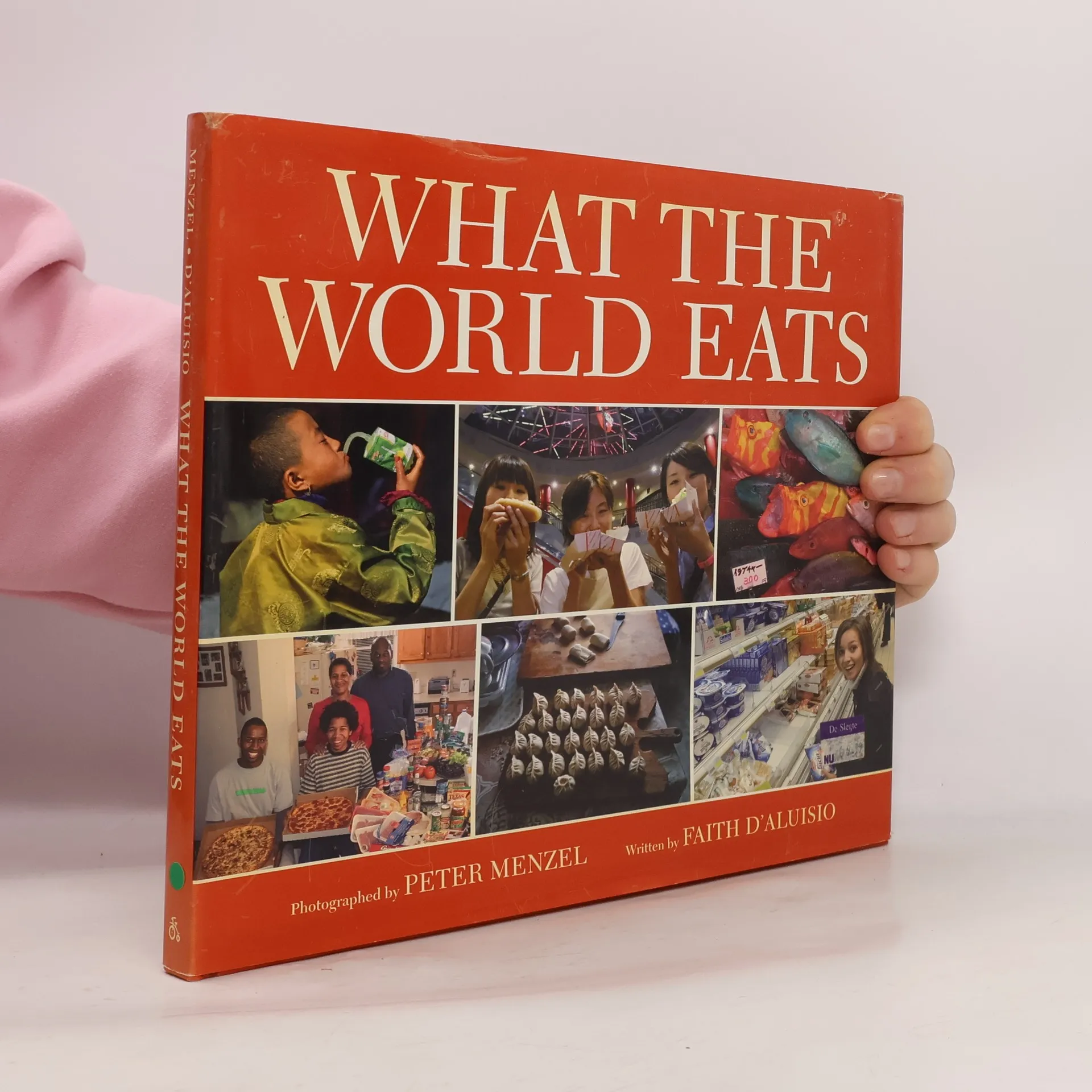
Sitting down to a daily family meal has long been a tradition for billions, but this age-old custom is rapidly changing. Increased trade and the rise of global food corporations like Kraft and Nestlé are significantly impacting eating habits worldwide. Supermarkets now stock a variety of international foods, while American fast food chains like McDonald’s and KFC are ubiquitous. For the first time in history, more people are overfed than underfed, leading to a stark contrast where some struggle to find enough food while others face health issues from overeating. To explore these changes, authors Peter Menzel and Faith D’Aluisio visited families globally, observing and photographing their meals over a week. They accompanied parents shopping at mega grocery stores and outdoor markets, participated in communal feasts, and watched mothers prepare dinner in kitchens and over open fires. They shared meals with twenty-five families across twenty-one countries, experiencing about 525 meals featuring a diverse array of foods—from hunted seal and spit-roasted guinea pig to U.N.-rationed grains and Coca-Cola. Through these interactions, they gained insights into global food consumption and its implications, revealing cultural similarities and differences reflected in dinner plates around the world.
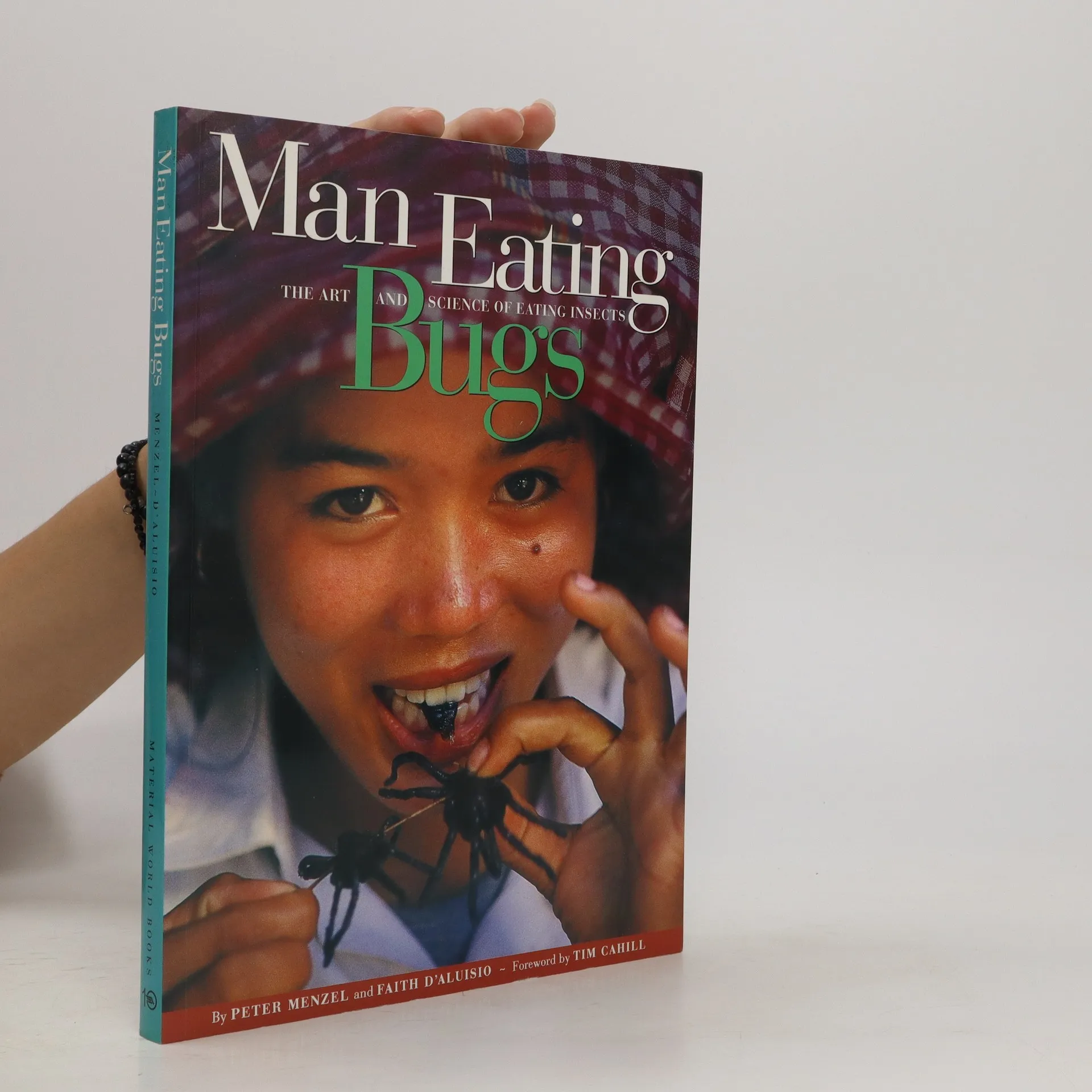
Explores the consumption of spiders, crickets, grubs, scorpions, and dragonflies in thirteen different countries, including Australia, Japan, China, Venezuela, and the United States.
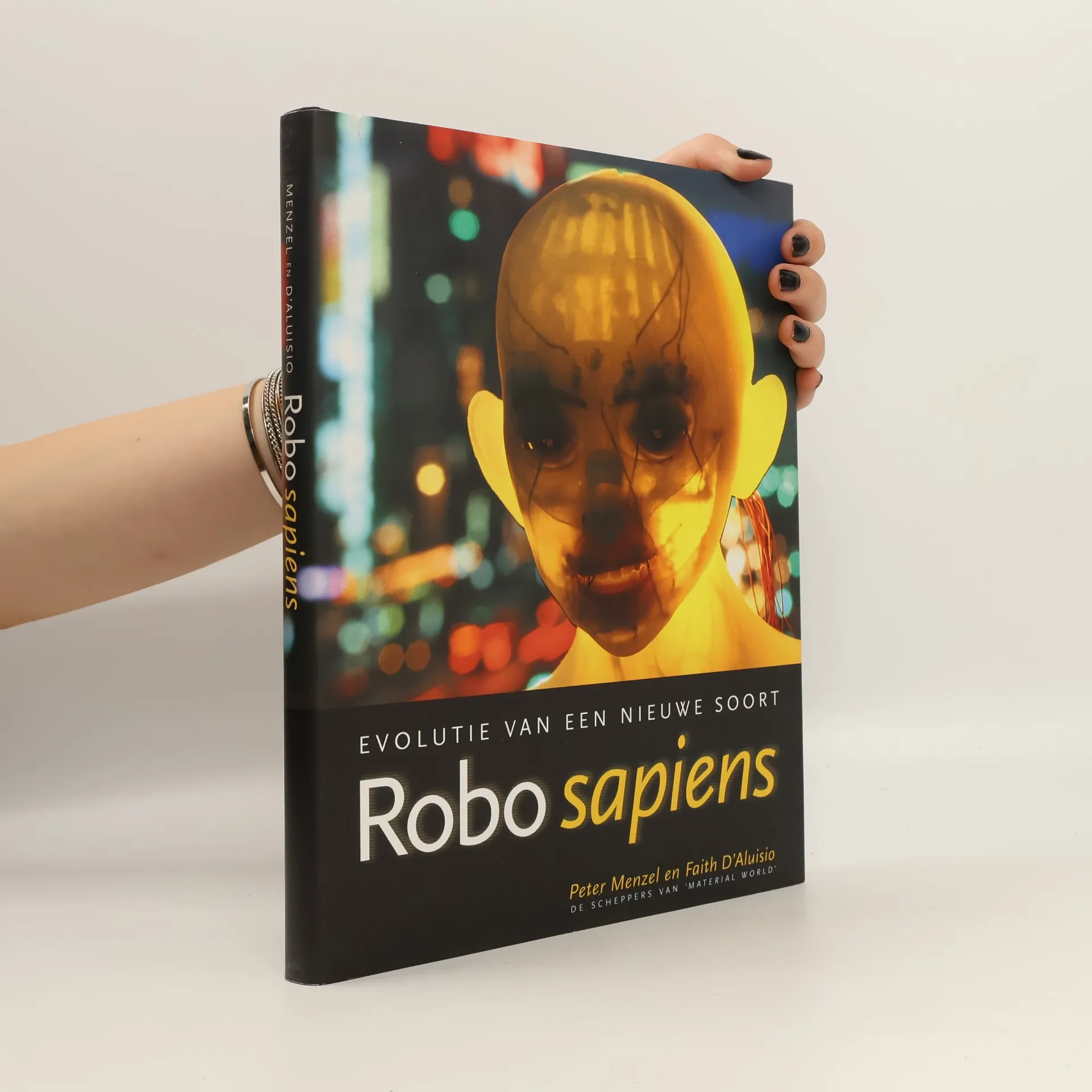
Highlights intelligent robots created in the form of spiders, crabs, dogs, and vehicles, and discusses robots' human-like ability to move, speak, think, and act.
A companion to the groundbreaking bestseller Material World: A Global Family Portrait, this remarkable volume portrays the striking similarities and profound differences in the lives of women around the world at the dawn of the twenty–first century. Under the direction of Faith D'Aluisio and Peter Menzel, a team of renowned women journalists traveled the world to take a close look at the lives of women in twenty disparate lands. In first–person interviews of startling candor, the women share their feelings about family, children, money, love, sex, and marriage. These interviews, together with 375 stunning full–color photographs, create a powerful multicultural portrait of the half of humanity that all too often remains invisible.