


Parameter
- 738 Seiten
- 26 Lesestunden
Mehr zum Buch
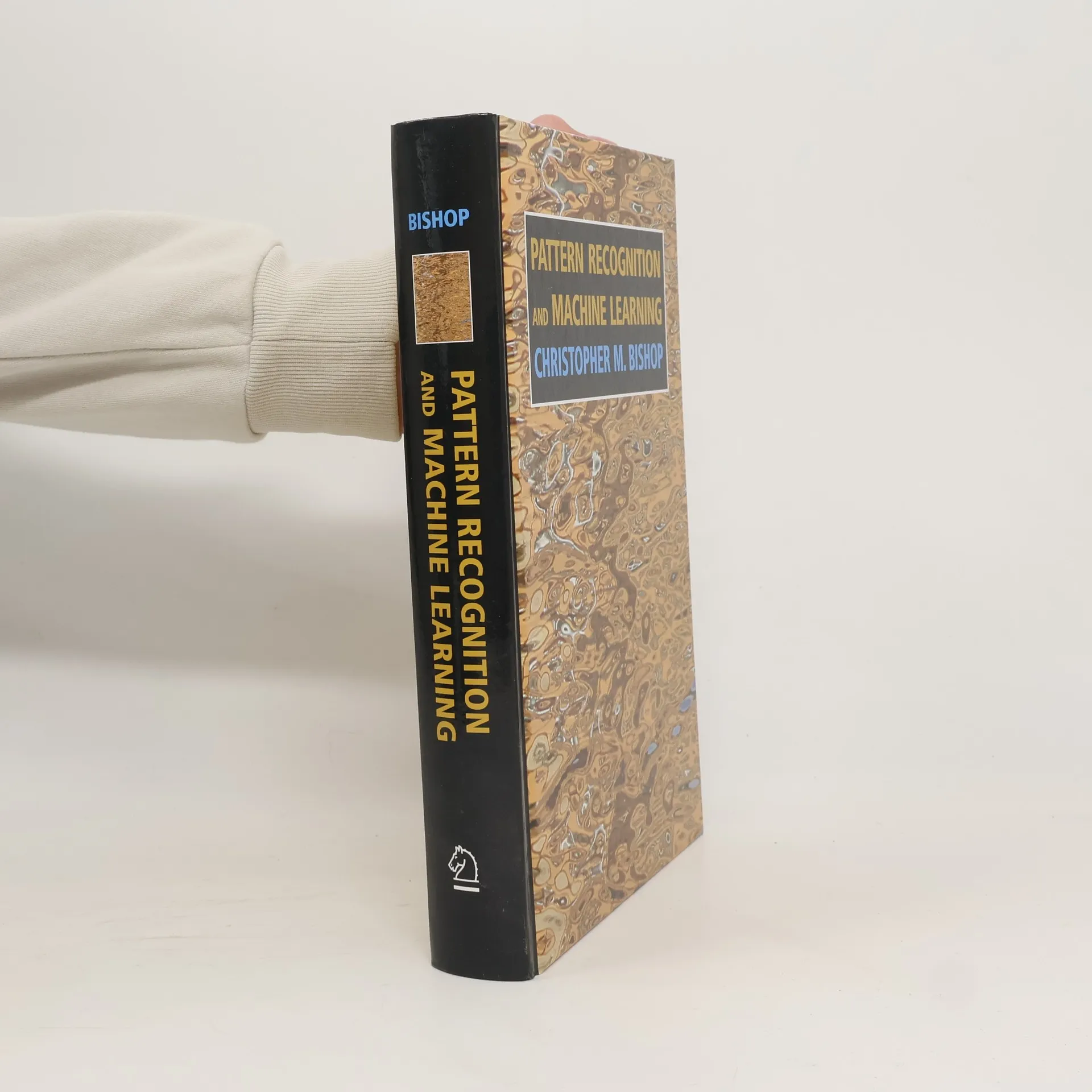
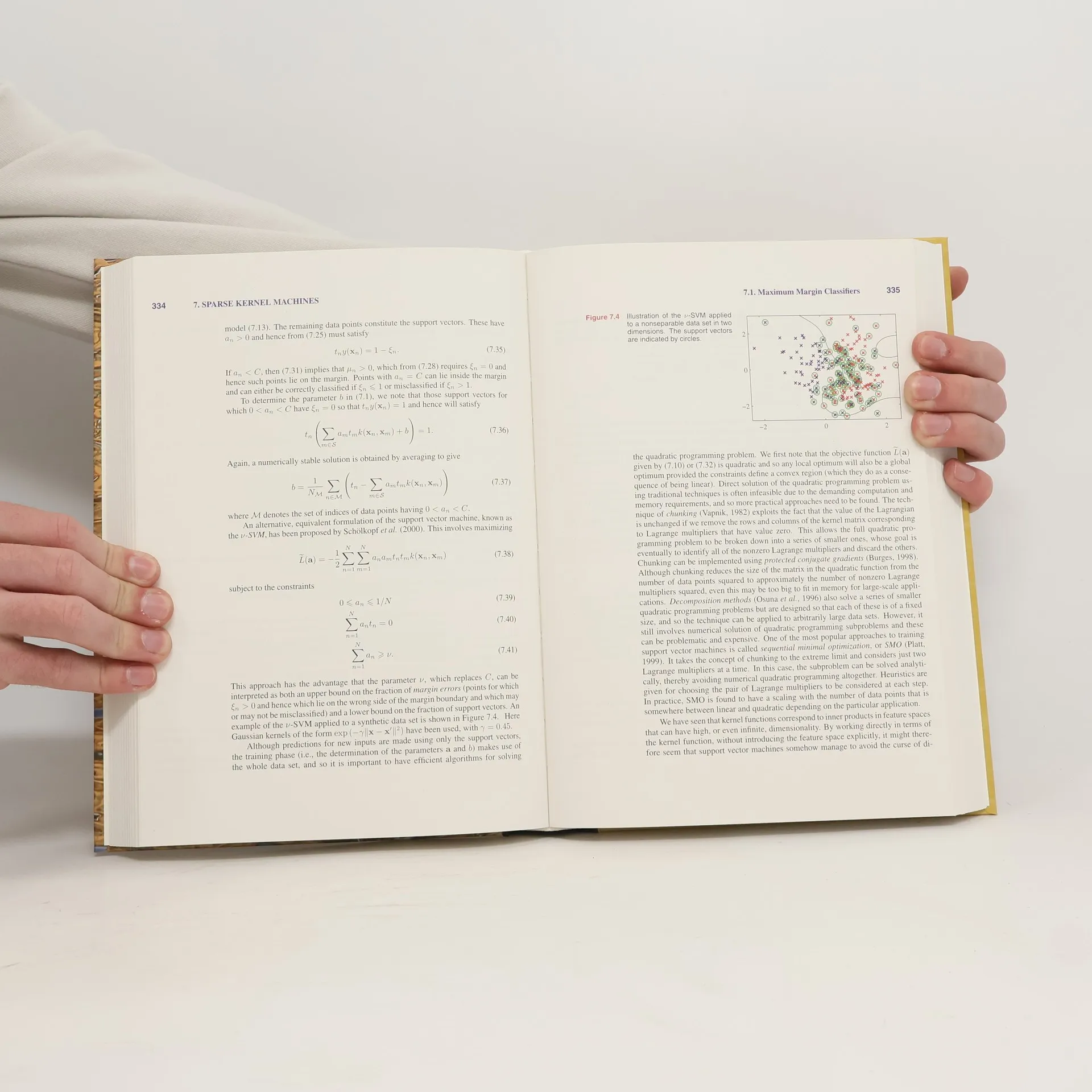
This is the first text on pattern recognition to present the Bayesian viewpoint, one that has become increasing popular in the last five years. It presents approximate inference algorithms that permit fast approximate answers in situations where exact answers are not feasible. It provides the first text to use graphical models to describe probability distributions when there are no other books that apply graphical models to machine learning. It is also the first four-color book on pattern recognition. The book is suitable for courses on machine learning, statistics, computer science, signal processing, computer vision, data mining, and bioinformatics. Extensive support is provided for course instructors, including more than 400 exercises, graded according to difficulty. Example solutions for a subset of the exercises are available from the book web site, while solutions for the remainder can be obtained by instructors from the publisher.


Buchkauf
Pattern recognition and machine learning, Christopher M. Bishop
- Sprache

- Erscheinungsdatum
- 2006
- product-detail.submit-box.info.binding
- (Hardcover)
Hier könnte deine Bewertung stehen.
- Sprache
- Englisch
- Autor*innen
- Christopher M. Bishop
- Erscheinungsdatum
- 2006
- Einband
- Hardcover
- Seitenzahl
- 738
- ISBN10
- 0387310738
- ISBN13
- 9780387310732
- Reihe
- Schlagwörter
- Sachbücher, Lehrbücher, Technologie & Industrie, Computer & Internet, Wissenschaft, Technologie, Mathematik-Lehrbücher, Künstliche Intelligenz
- Bewertung
- 4,3 von 5 Sternen
- Beschreibung
- This is the first text on pattern recognition to present the Bayesian viewpoint, one that has become increasing popular in the last five years. It presents approximate inference algorithms that permit fast approximate answers in situations where exact answers are not feasible. It provides the first text to use graphical models to describe probability distributions when there are no other books that apply graphical models to machine learning. It is also the first four-color book on pattern recognition. The book is suitable for courses on machine learning, statistics, computer science, signal processing, computer vision, data mining, and bioinformatics. Extensive support is provided for course instructors, including more than 400 exercises, graded according to difficulty. Example solutions for a subset of the exercises are available from the book web site, while solutions for the remainder can be obtained by instructors from the publisher.