

Ausverkauft, aber heiß begehrt!

Mehr zum Buch
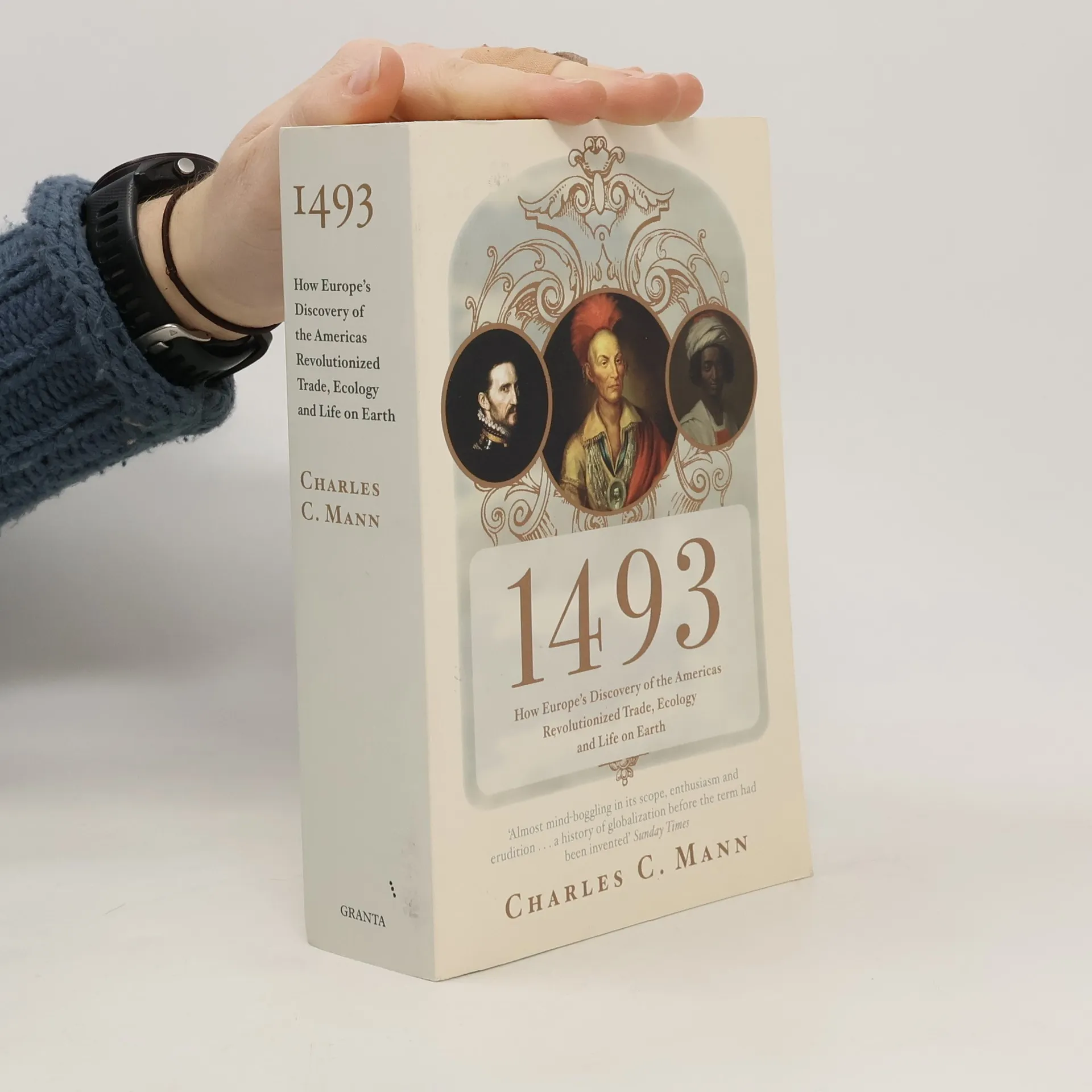
This is an account of history's biggest ecological invasion, when Europe and the Americas collided for the first time in millennia. The book explores how many historians believe that this collision of ecosystems and cultures - the Columbian Exchange - was the most consequential event in human history since the Neolithic Revolution.




Buchkauf
1493. Kolumbus' Erbe, englische Ausgabe, Charles C Mann
- Sprache

- Erscheinungsdatum
- 2012
- Einband
- (Paperback)
Wir benachrichtigen dich per E-Mail.
Hier könnte deine Bewertung stehen.
- Titel
- 1493. Kolumbus' Erbe, englische Ausgabe
- Sprache
- Englisch
- Autor*innen
- Charles C Mann
- Verlag
- Granta Books
- Erscheinungsdatum
- 2012
- Einband
- Paperback
- Seitenzahl
- 560
- ISBN10
- 1847082459
- ISBN13
- 9781847082459
- Reihe
- Kategorien
- Schlagwörter
- Historisches Thema, Reisen, Wissenschaft, Geschichte der USA
- Originaltitel
- 1493 - uncovering the new world Columbus created
- Bewertung
- 3,9 von 5 Sternen
- Beschreibung
- This is an account of history's biggest ecological invasion, when Europe and the Americas collided for the first time in millennia. The book explores how many historians believe that this collision of ecosystems and cultures - the Columbian Exchange - was the most consequential event in human history since the Neolithic Revolution.