


Parameter
- 400 Seiten
- 14 Lesestunden
Mehr zum Buch
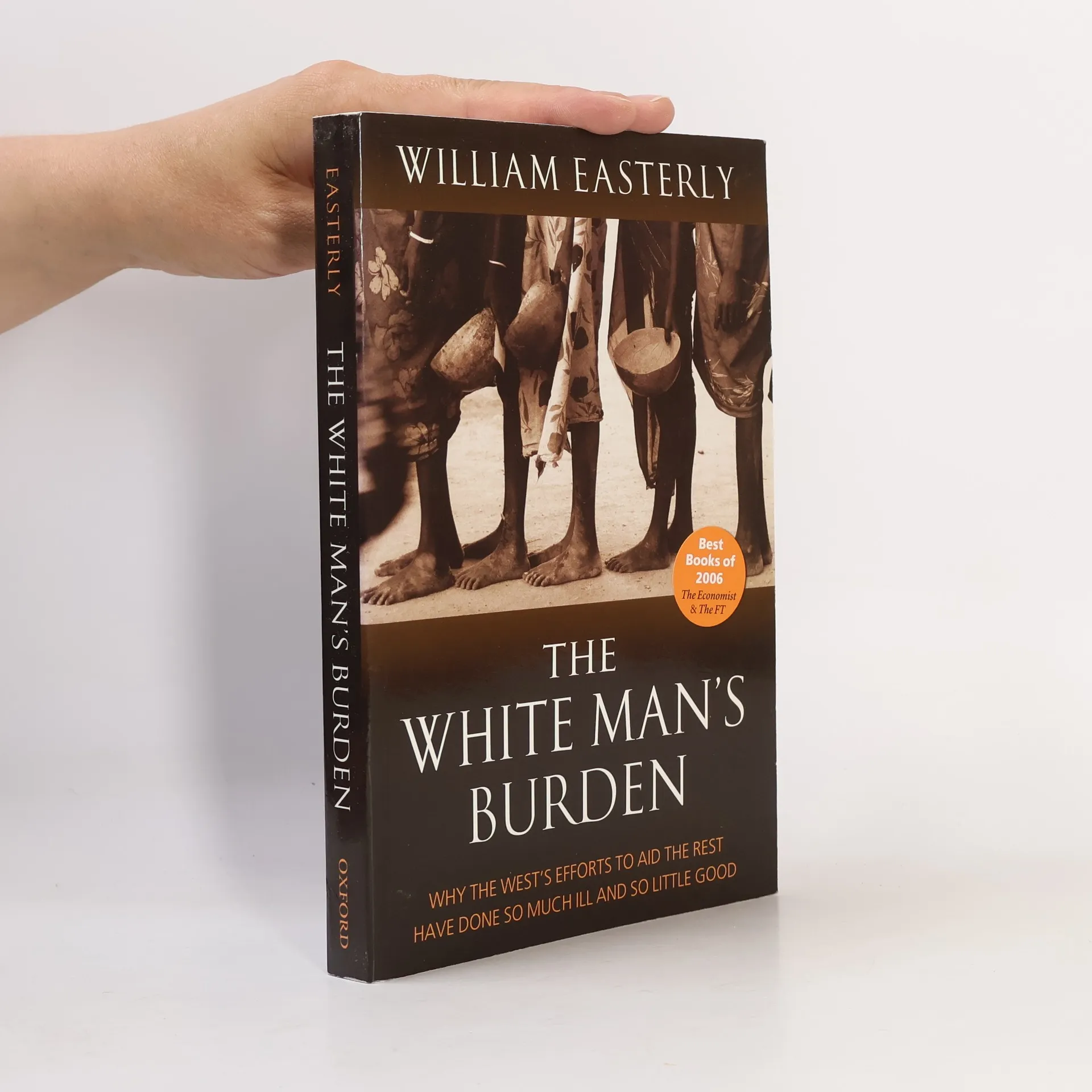
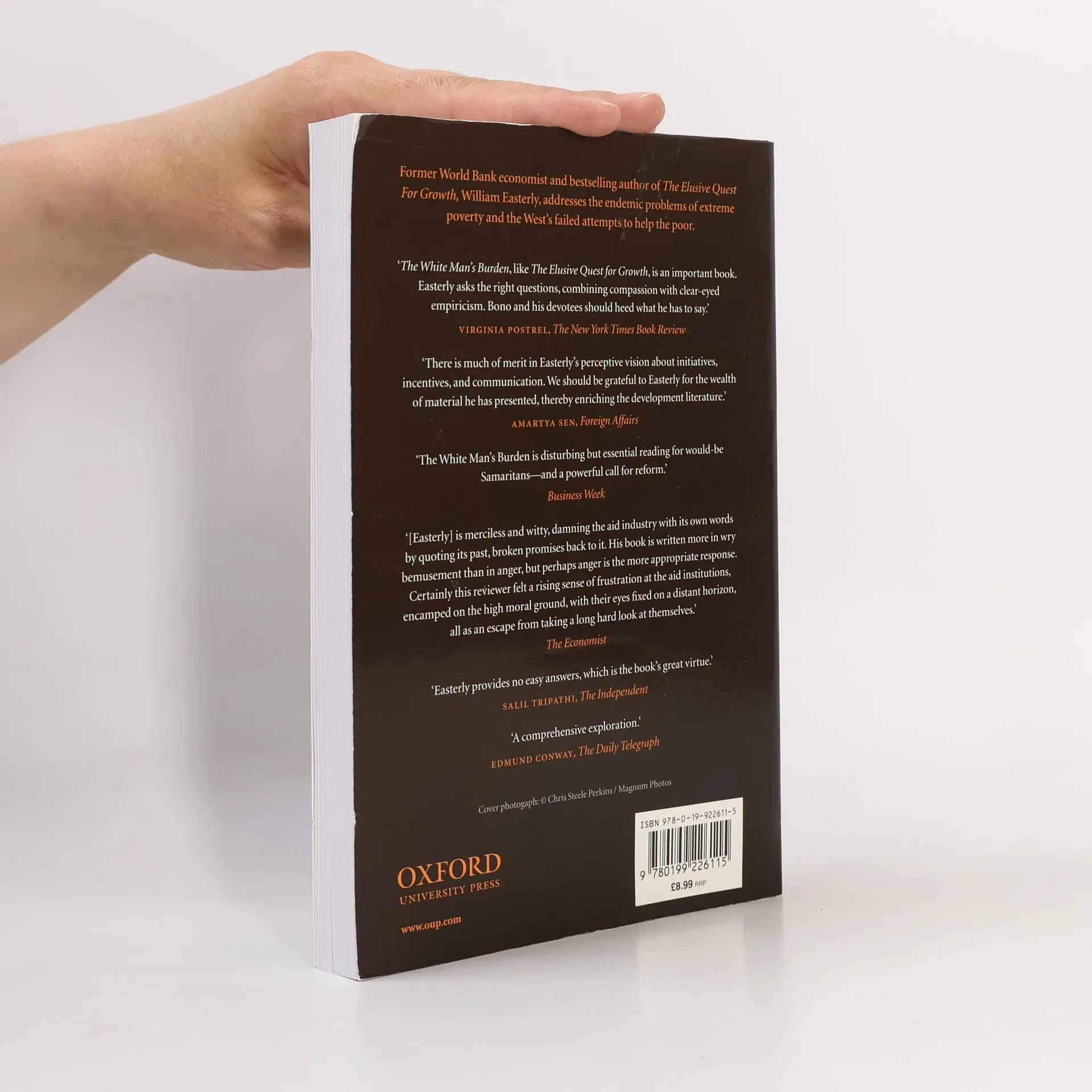
Why after 50 years and $2.3 trillion are there still children dying for lack of twelve cents medicine? Why are there so many people still living on less than $1 a day? In The White Man's Burden William Easterly, acclaimed author and former economist at the World Bank, addresses these twin tragedies head on. While recognising the energy and compassion behind the campaign to make poverty history he argues urgently and powerfully that grand plans and good intentions are a part of the problem not the solution. Giving aid is not enough, we must ensure that it reaches the people who need it most and the only way to make this happen is through accountability and by learning from past experiences.




Buchkauf
The White Man's Burden, William Easterly
- Sprache

- Erscheinungsdatum
- 2007
- product-detail.submit-box.info.binding
- (Paperback)
Hier könnte deine Bewertung stehen.
- Sprache
- Englisch
- Autor*innen
- William Easterly
- Verlag
- Oxford University Press
- Erscheinungsdatum
- 2007
- Einband
- Paperback
- Seitenzahl
- 400
- ISBN10
- 0199226113
- ISBN13
- 9780199226115
- Reihe
- Schlagwörter
- Sachbücher, Sozialwissenschaften, Historisches Thema, Geschichte, Handel, Wirtschaft & Management, Politikwissenschaft, Politik, Ökonomie, Afrika, 21. Jahrhundert, Kritik, Nachhaltigkeit, Armut, Realismus, Globalisierung, Globale Probleme, Vernunft, Entwicklungshilfe
- Erstveröffentlichung
- 2006
- Originaltitel
- The White Man´s Burden: Why the West´s Efforts to Aid the Rest Have Done So Much Ill and So Little Good
- Bewertung
- 3,85 von 5 Sternen
- Beschreibung
- Why after 50 years and $2.3 trillion are there still children dying for lack of twelve cents medicine? Why are there so many people still living on less than $1 a day? In The White Man's Burden William Easterly, acclaimed author and former economist at the World Bank, addresses these twin tragedies head on. While recognising the energy and compassion behind the campaign to make poverty history he argues urgently and powerfully that grand plans and good intentions are a part of the problem not the solution. Giving aid is not enough, we must ensure that it reaches the people who need it most and the only way to make this happen is through accountability and by learning from past experiences.