

Parameter
- 96 Seiten
- 4 Lesestunden
Mehr zum Buch
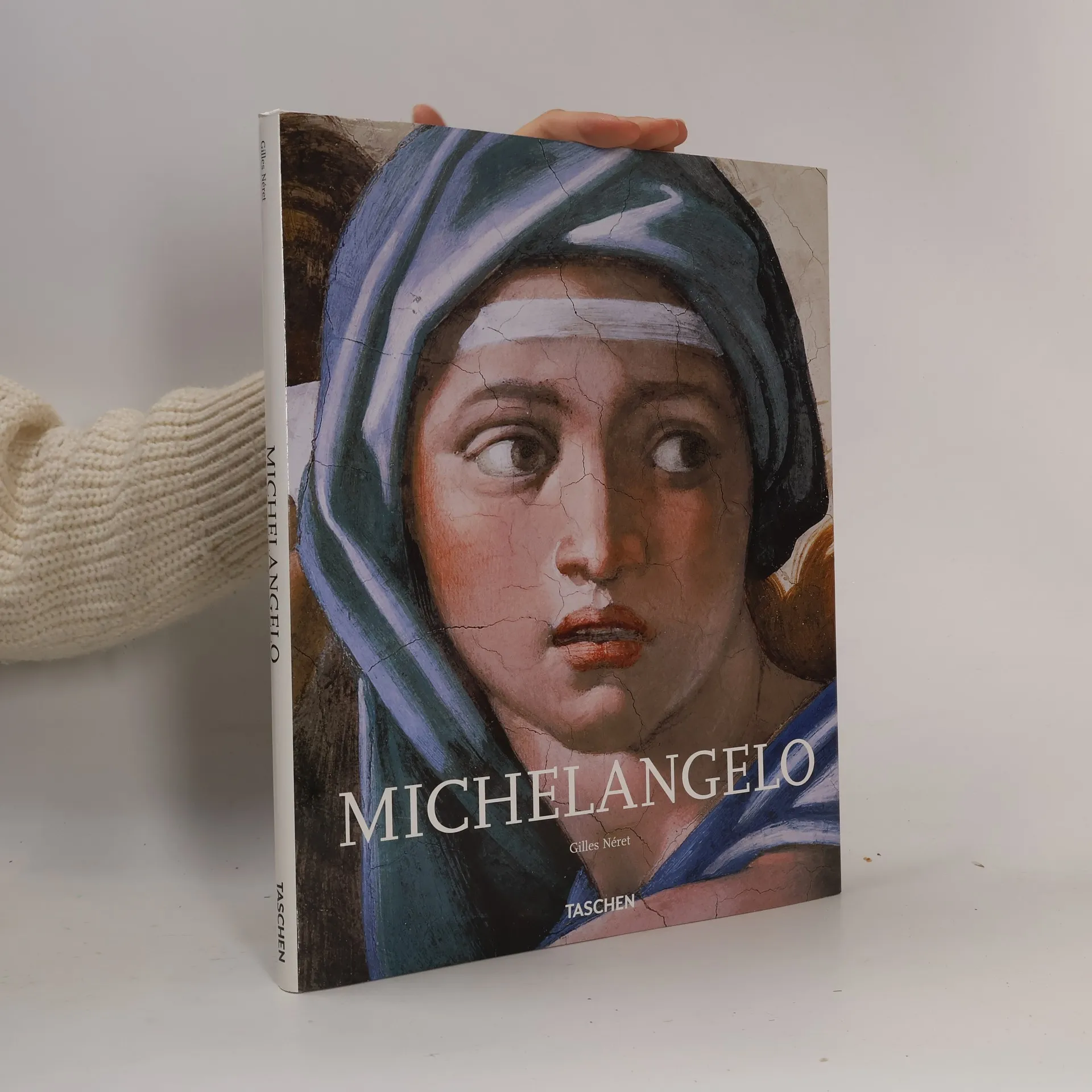
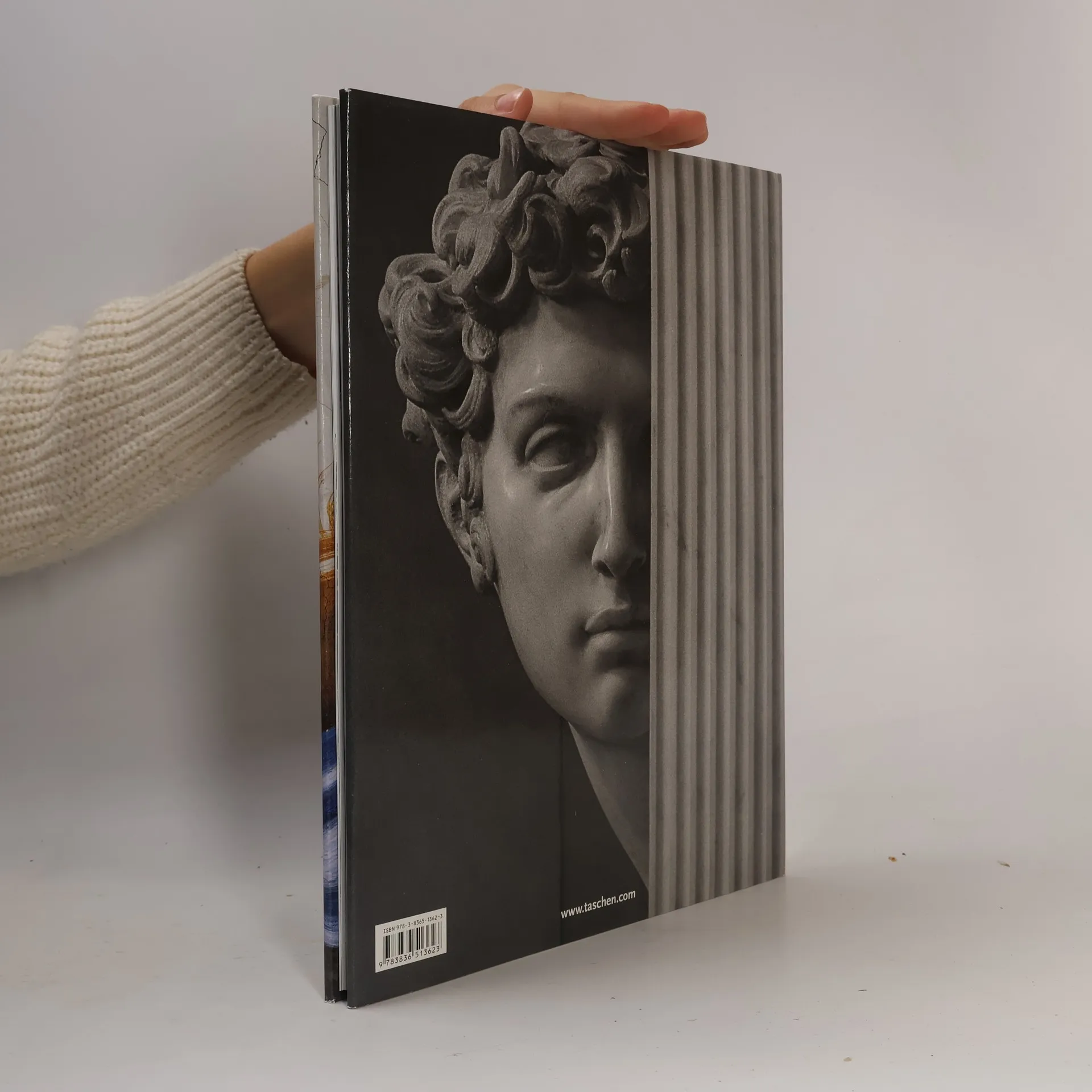
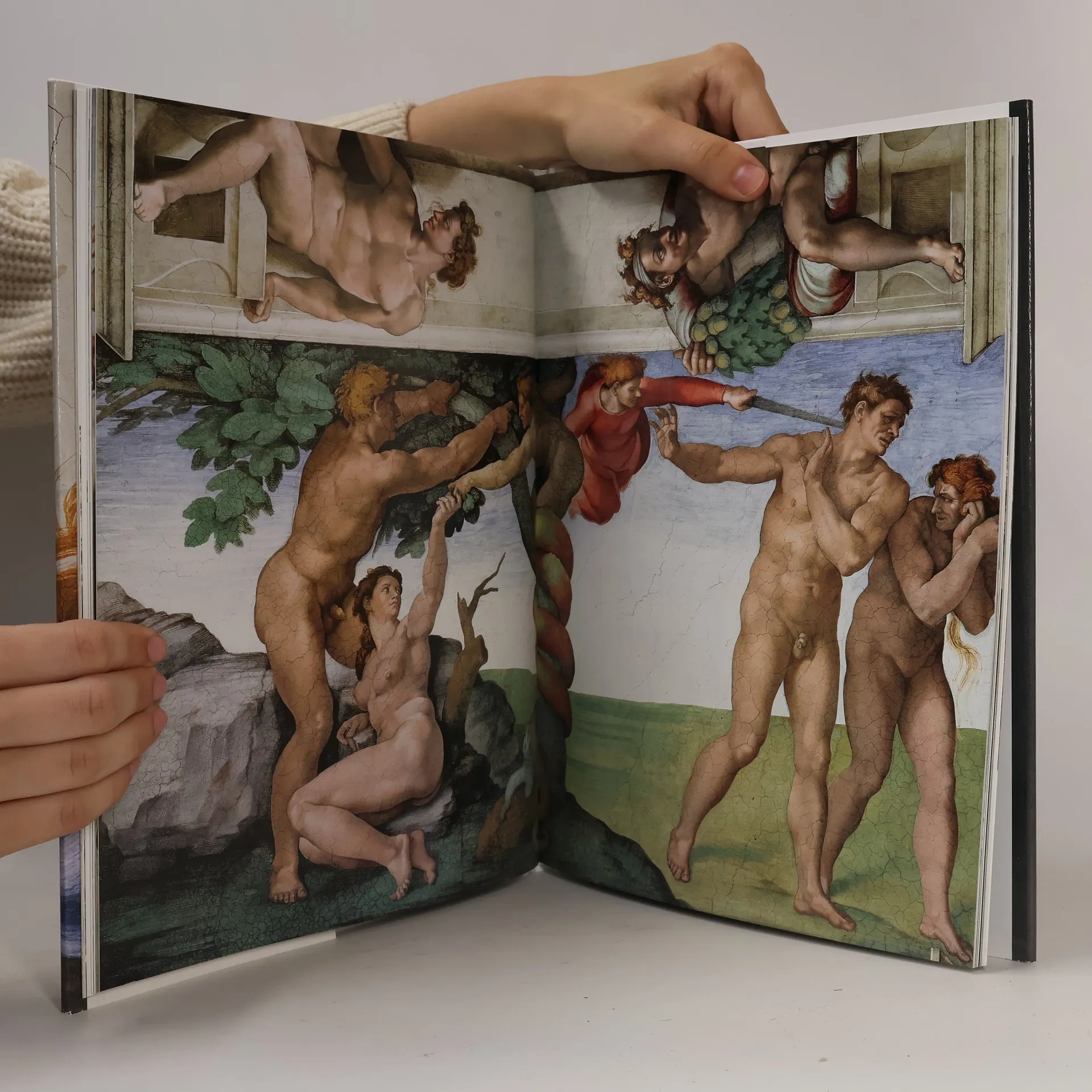
Michelangelo between earthly passions and fear of God During the Renaissance, several great homosexual artists—from Leonardo da Vinci and Botticelli to Michelangelo and Raphael—transformed the history of art , striving for ever closer imitation of nature while shaping it to their tastes. In their art ambiguous beings were born, half man, half woman; female breasts were planted on male busts and a young man's gaze peeped out beneath the eyelids of a Madonna. From his earliest youth Michelangelo transformed personal torment into exquisite creativity —attempting to reconcile the apparently conflicting forces that inhabited him: his earthly passions and his fear of God . Hence the peerless monuments to beauty, celestial and infernal alike, that Michelangelo raised to the glory of God. His predecessors aspired to Heaven through faith alone; Michelangelo sought absolution through the contemplative exaltation of beauty—even on the ceiling of a papal chapel: the Sistine. This exposed him to a chorus of derision from prudish critics, who accused him of exhibiting paganism in a place of religion, and who clothed his immodest Titans in painted "breeches". It was Michelangelo's curse to remain a colossus outside and apart from his time . It is the birthright of the comet to inspire fear and awe in the spectator; but the spectacle of such glory can sear the tender eye.




Buchkauf
Michelangelo, Gilles Néret
- Sprache

- Erscheinungsdatum
- 2010
- product-detail.submit-box.info.binding
- (Hardcover),
- Buchzustand
- Gebraucht - Gut
- Preis
- € 12,99
Hier könnte deine Bewertung stehen.
- Titel
- Michelangelo
- Sprache
- Englisch
- Autor*innen
- Gilles Néret
- Verlag
- Taschen
- Erscheinungsdatum
- 2010
- Einband
- Hardcover
- Seitenzahl
- 96
- ISBN10
- 3836513625
- ISBN13
- 9783836513623
- Reihe
- Schlagwörter
- Sachbücher, Kunst & Kultur, Historisches Thema, Geschichte, Wahre Geschichten, Biografien, Bildende Kunst, Malerei & Bildhauerei, Kunst, Handbücher und Anleitungen, Südeuropa, Italien, Kunstgeschichte & -theorie, Kunstgeschichte, Renaissance
- Originaltitel
- Michelangelo
- Bewertung
- 4,35 von 5 Sternen
- Beschreibung
- Michelangelo between earthly passions and fear of God During the Renaissance, several great homosexual artists—from Leonardo da Vinci and Botticelli to Michelangelo and Raphael—transformed the history of art , striving for ever closer imitation of nature while shaping it to their tastes. In their art ambiguous beings were born, half man, half woman; female breasts were planted on male busts and a young man's gaze peeped out beneath the eyelids of a Madonna. From his earliest youth Michelangelo transformed personal torment into exquisite creativity —attempting to reconcile the apparently conflicting forces that inhabited him: his earthly passions and his fear of God . Hence the peerless monuments to beauty, celestial and infernal alike, that Michelangelo raised to the glory of God. His predecessors aspired to Heaven through faith alone; Michelangelo sought absolution through the contemplative exaltation of beauty—even on the ceiling of a papal chapel: the Sistine. This exposed him to a chorus of derision from prudish critics, who accused him of exhibiting paganism in a place of religion, and who clothed his immodest Titans in painted "breeches". It was Michelangelo's curse to remain a colossus outside and apart from his time . It is the birthright of the comet to inspire fear and awe in the spectator; but the spectacle of such glory can sear the tender eye.