

Parameter
Mehr zum Buch
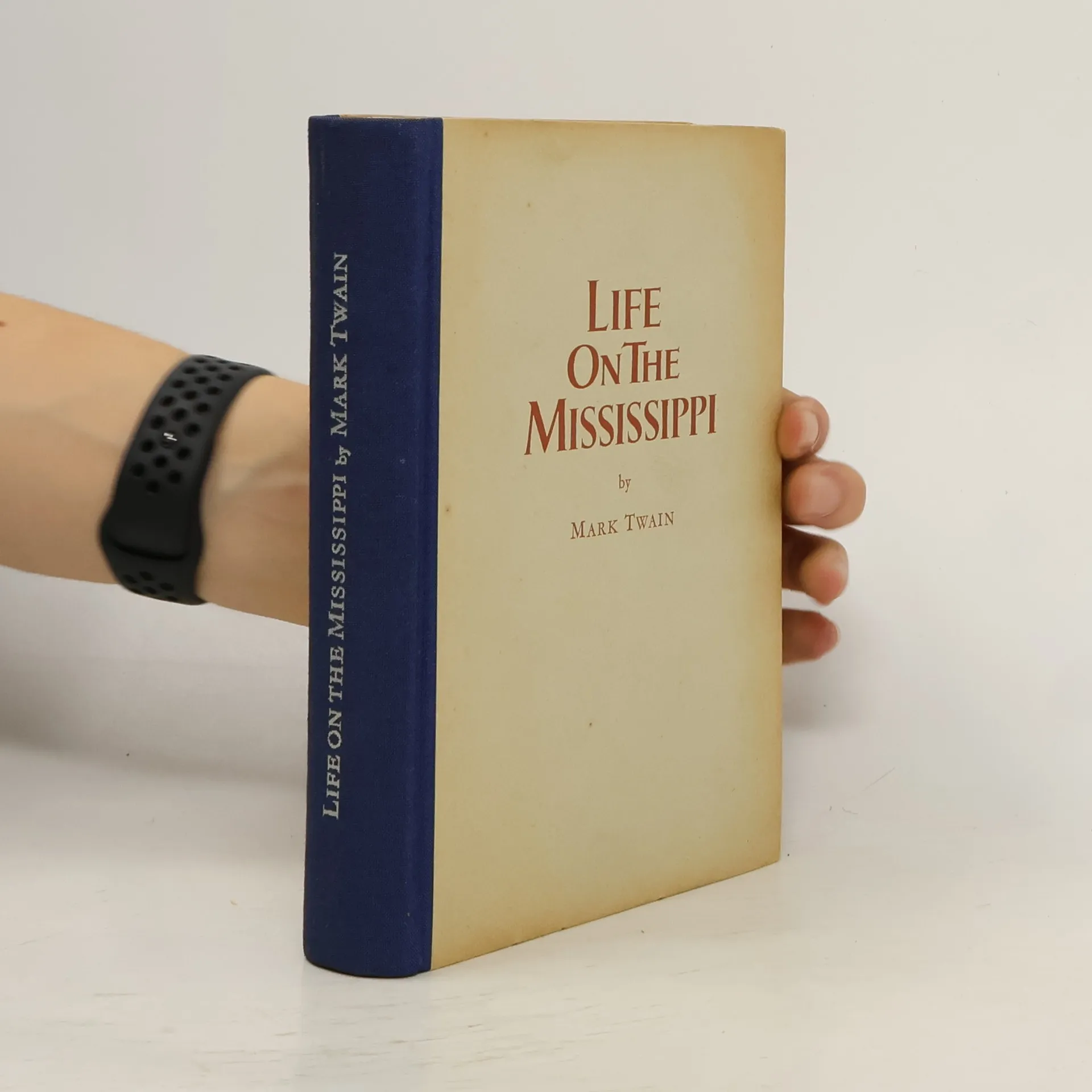
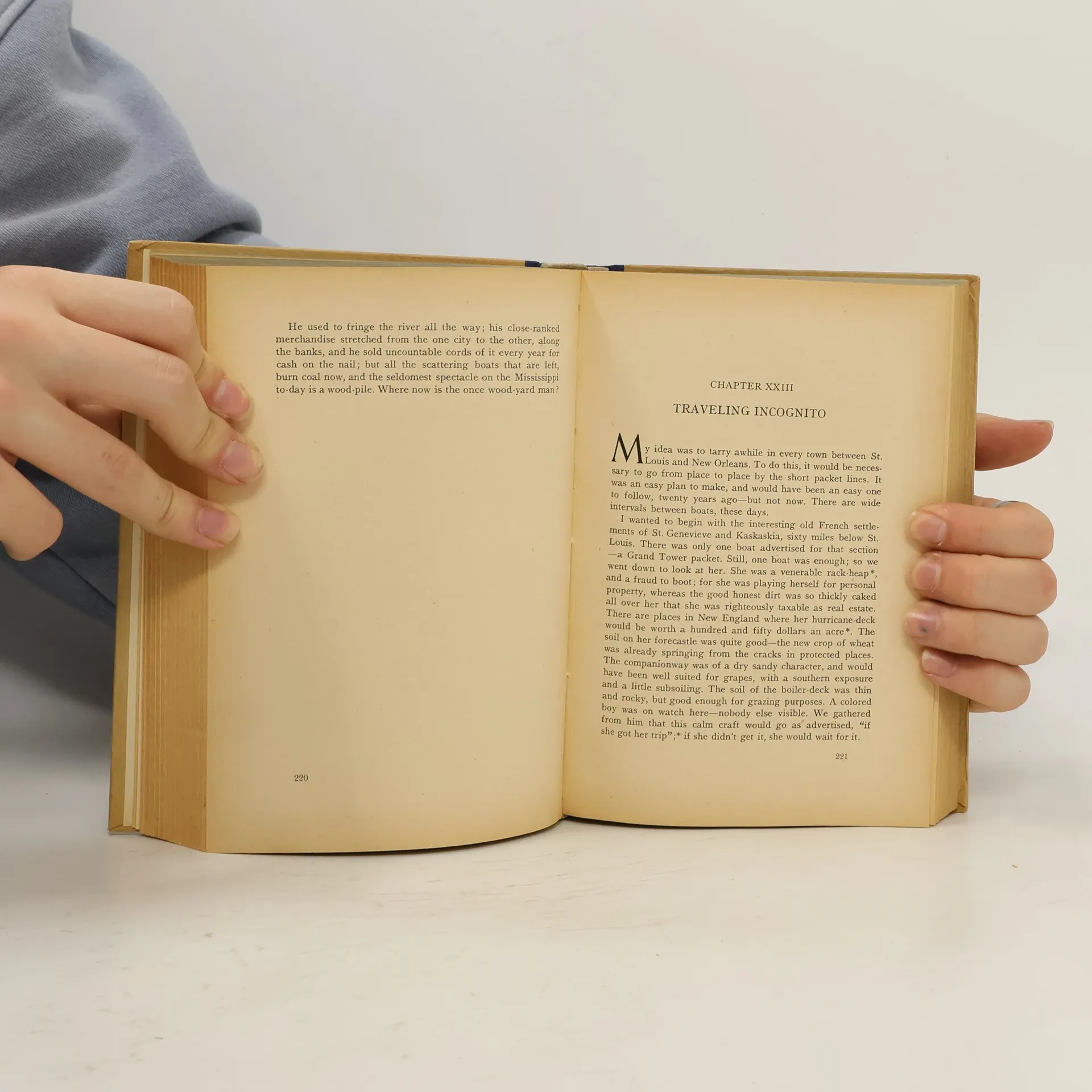
"Life on the Mississippi" is a memoir by Mark Twain that recounts his experiences as a steamboat pilot on the Mississippi River before and after the American Civil War. The book opens with a brief history of the river, beginning with its discovery by Hernando de Soto in 1542. Twain shares anecdotes from his training as a steamboat pilot, affectionately detailing the science of navigating the ever-changing waters. The narrative shifts in the second half as Twain returns years later to journey from St. Louis to New Orleans. He reflects on the competition from railroads, the emergence of new cities, and offers keen observations on themes of greed, gullibility, tragedy, and poor architecture. Interwoven are stories that likely draw from tall tales, enriching the narrative with humor and insight. This work is notable for being one of the first to be submitted to a publisher as a typewritten manuscript.
Buchkauf
Life on the Mississippi, Mark Twain
- Sprache


- Erscheinungsdatum
- 1956
- Einband
- (Hardcover)
Hier könnte deine Bewertung stehen.
- Titel
- Life on the Mississippi
- Sprache
- Englisch, Deutsch
- Autor*innen
- Mark Twain
- Verlag
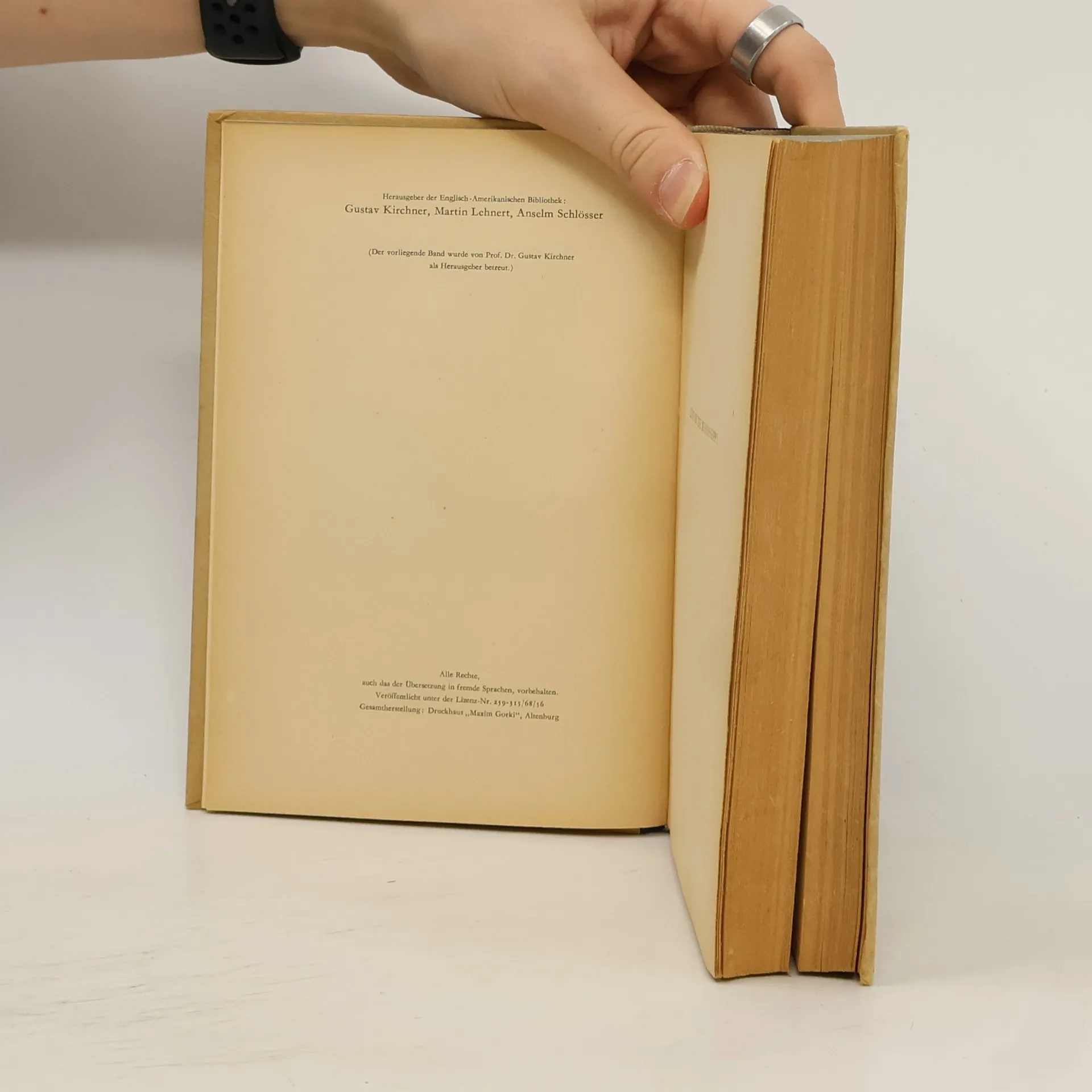
- Max Niemeyer
- Erscheinungsdatum
- 1956
- Einband
- Hardcover
- Reihe
- Kategorien
- Schlagwörter
- Abenteuer, Mississippi
- Bewertung
- 3,65 von 5 Sternen
- Beschreibung
- "Life on the Mississippi" is a memoir by Mark Twain that recounts his experiences as a steamboat pilot on the Mississippi River before and after the American Civil War. The book opens with a brief history of the river, beginning with its discovery by Hernando de Soto in 1542. Twain shares anecdotes from his training as a steamboat pilot, affectionately detailing the science of navigating the ever-changing waters. The narrative shifts in the second half as Twain returns years later to journey from St. Louis to New Orleans. He reflects on the competition from railroads, the emergence of new cities, and offers keen observations on themes of greed, gullibility, tragedy, and poor architecture. Interwoven are stories that likely draw from tall tales, enriching the narrative with humor and insight. This work is notable for being one of the first to be submitted to a publisher as a typewritten manuscript.