

Mehr zum Buch
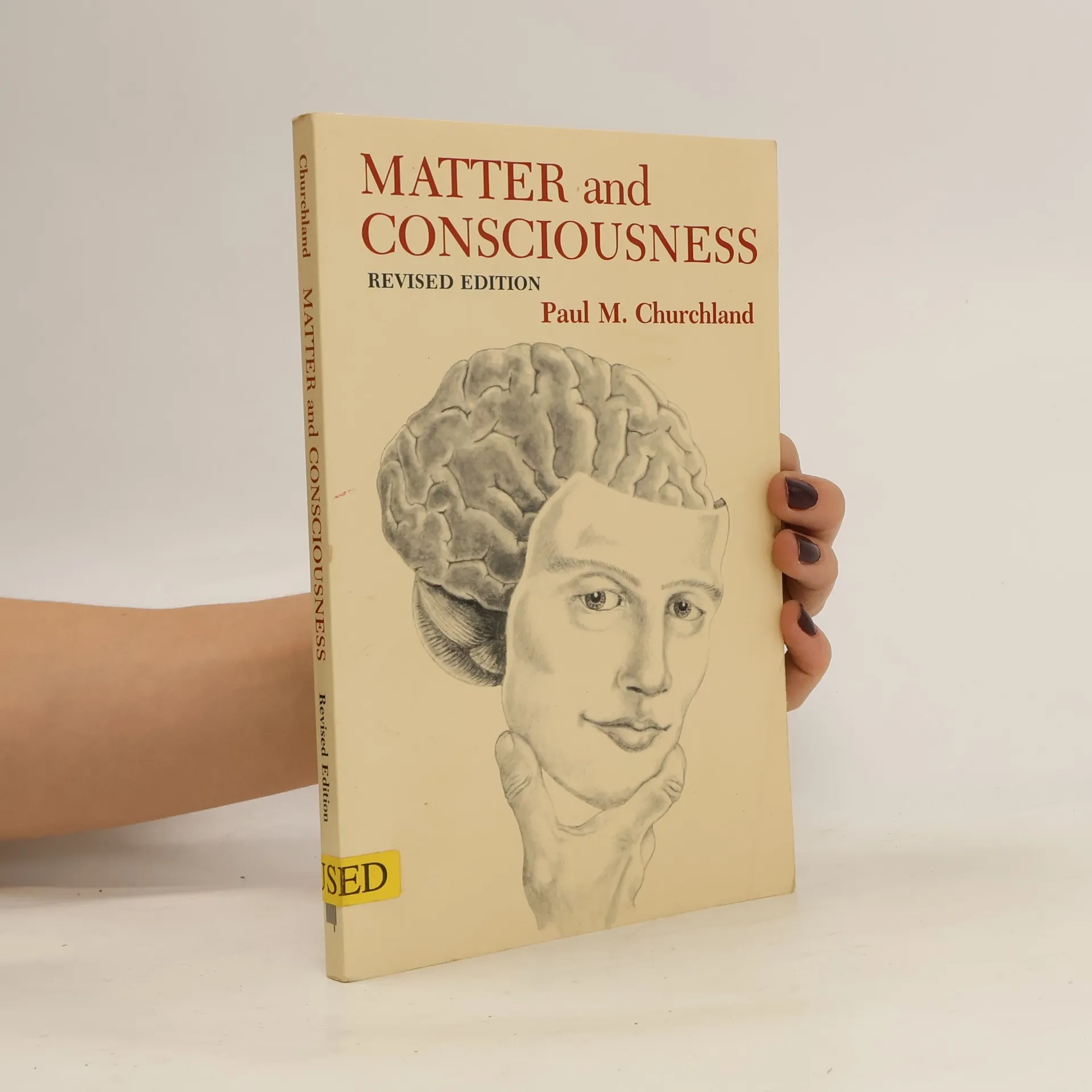
In "Matter and Consciousness," Paul Churchland clearly presents the advantages and disadvantages of such difficult issues in philosophy of mind as behaviorism, reductive materialism, functionalism, and eliminative materialism. This new edition incorporates the striking developments that have taken place in neuroscience, cognitive science, and artificial intelligence and notes their expanding relevance to philosophical issues. Churchland organizes and clarifies the new theoretical and experimental results of the natural sciences for a wider philosophical audience, observing that this research bears directly on questions concerning the basic elements of cognitive activity and their implementation in real physical systems. (How is it, he asks, that living creatures perform some cognitive tasks so swiftly and easily, where computers do them only badly or not at all?) Most significant for philosophy, Churchland asserts, is the support these results tend to give to the reductive and the eliminative versions of materialism. "A Bradford Book"


Buchkauf
Matter and Consciousness, Paul Churchland
- Sprache

- Erscheinungsdatum
- 1988
- product-detail.submit-box.info.binding
- (Paperback)
Hier könnte deine Bewertung stehen.
- Sprache
- Englisch
- Autor*innen
- Paul Churchland
- Verlag
- MIT Press
- Erscheinungsdatum
- 1988
- Einband
- Paperback
- ISBN10
- 0262530740
- ISBN13
- 9780262530743
- Reihe
- Schlagwörter
- Sachbücher, Sozialwissenschaften, Lehrbücher, Philosophie, Psychologie, Wissenschaft, Neurowissenschaft, Gehirn
- Bewertung
- 3,9 von 5 Sternen
- Beschreibung
- In "Matter and Consciousness," Paul Churchland clearly presents the advantages and disadvantages of such difficult issues in philosophy of mind as behaviorism, reductive materialism, functionalism, and eliminative materialism. This new edition incorporates the striking developments that have taken place in neuroscience, cognitive science, and artificial intelligence and notes their expanding relevance to philosophical issues. Churchland organizes and clarifies the new theoretical and experimental results of the natural sciences for a wider philosophical audience, observing that this research bears directly on questions concerning the basic elements of cognitive activity and their implementation in real physical systems. (How is it, he asks, that living creatures perform some cognitive tasks so swiftly and easily, where computers do them only badly or not at all?) Most significant for philosophy, Churchland asserts, is the support these results tend to give to the reductive and the eliminative versions of materialism. "A Bradford Book"