

Mehr zum Buch
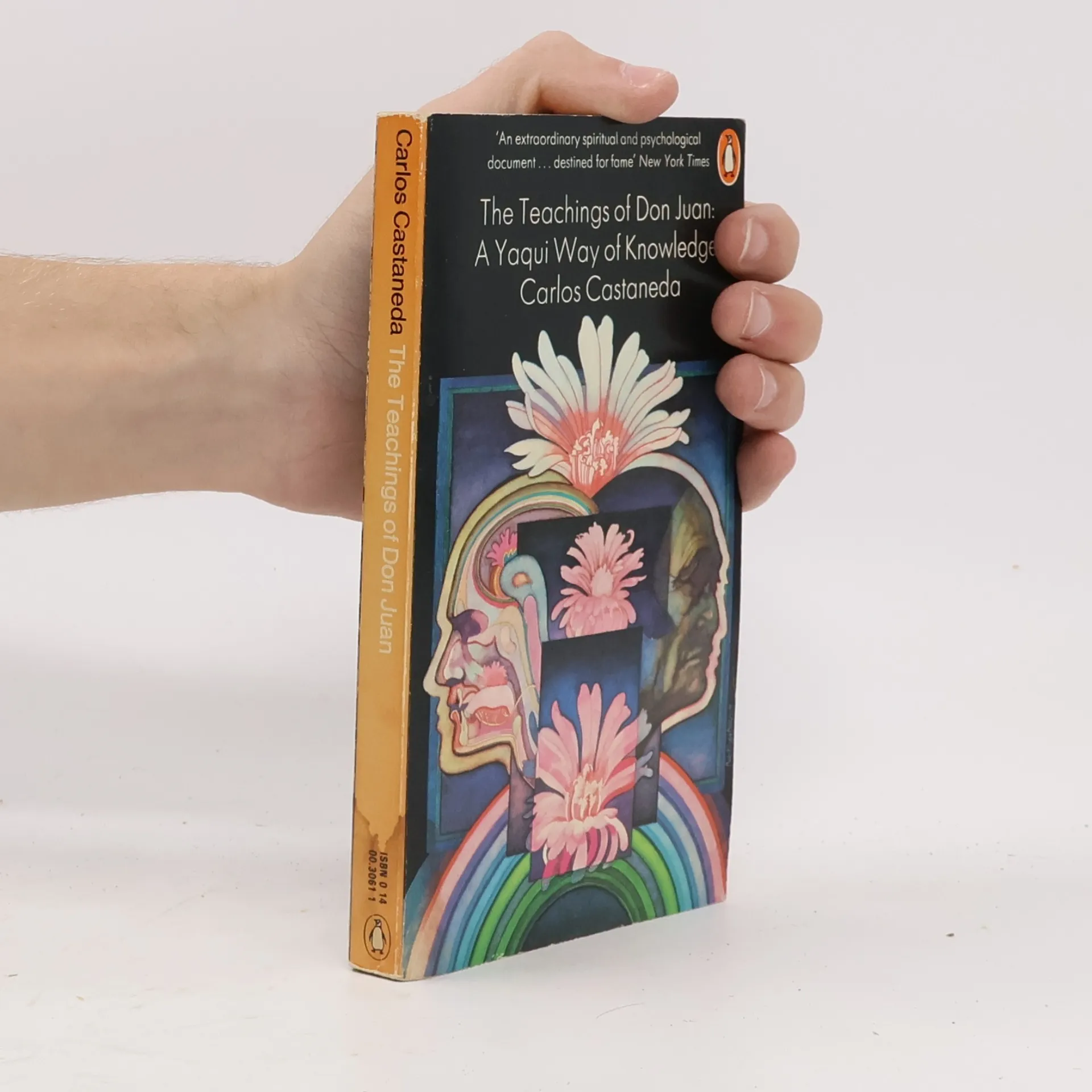
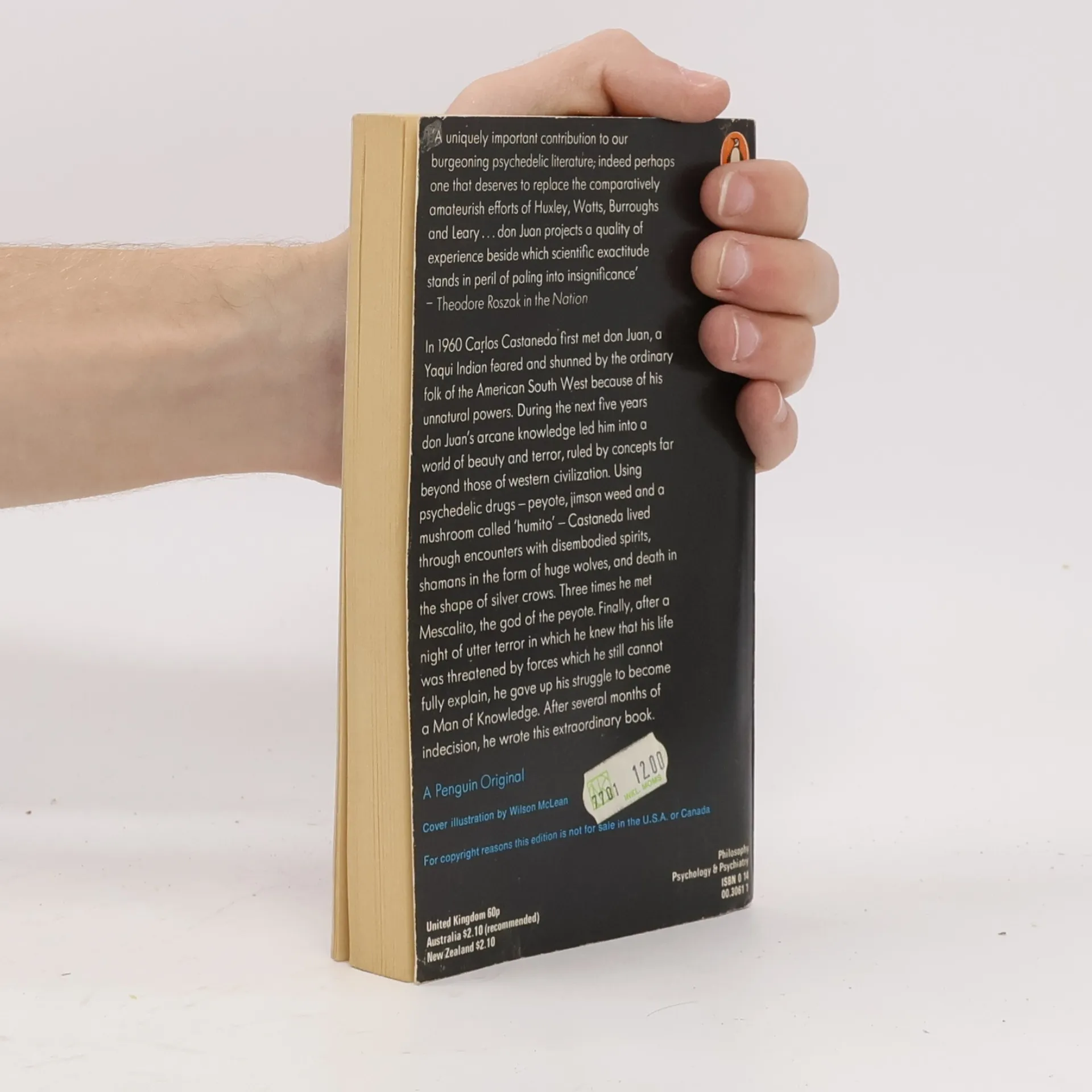
Decades ago the University of California Press published a remarkable manuscript by an anthropology student named Carlos Castaneda. The Teachings of Don Juan initiated a generation of seekers dissatisfied with the limitations of the Western worldview. Castaneda's now classic book remains controversial for the alternative way of seeing that it presents & the revolution in cognition it demands. In a series of fascinating dialogs, Castaneda sets forth his partial initiation with don Juan Matus, a Yaqui Indian shaman from the state of Sonora, Mexico. He describes Don Juan's perception & mastery of the "non-ordinary reality" & how peyote & other plants sacred to the Mexican Indians were used as gateways to the mysteries of "dread," "clarity" & "power".






Buchkauf
The Teachings of Don Juan: A Yaqui Way of Knowledge, Carlos Castañeda
- Sprache

- Erscheinungsdatum
- 1970
- Einband
- (Paperback)
Hier könnte deine Bewertung stehen.
- Sprache
- Englisch
- Autor*innen
- Carlos Castañeda
- Verlag
- Penguin
- Erscheinungsdatum
- 1970
- Einband
- Paperback
- Seitenzahl
- 256
- ISBN10
- 0140030611
- ISBN13
- 9780140030617
- Reihe
- Carlos Castaneda
- Schlagwörter
- Esoterik & Religion, Psychologische Thematik, Religiöse Themen, Philosophisches Thema, Spiritualität, Esoterik, Okkultismus & Hexerei, Indianer, Drogen, Selbstfindung, Mexiko, Bewusstsein, Rituale und Zeremonien, Schamanismus, Fliegen, Andere Welten, Schamanen, Psychedelika, Don Juan
- Erstveröffentlichung
- 1968
- Originaltitel
- The Teaching of Don Juan: A Yaqui Way of Knowledge
- Bewertung
- 3,9 von 5 Sternen
- Beschreibung
- Decades ago the University of California Press published a remarkable manuscript by an anthropology student named Carlos Castaneda. The Teachings of Don Juan initiated a generation of seekers dissatisfied with the limitations of the Western worldview. Castaneda's now classic book remains controversial for the alternative way of seeing that it presents & the revolution in cognition it demands. In a series of fascinating dialogs, Castaneda sets forth his partial initiation with don Juan Matus, a Yaqui Indian shaman from the state of Sonora, Mexico. He describes Don Juan's perception & mastery of the "non-ordinary reality" & how peyote & other plants sacred to the Mexican Indians were used as gateways to the mysteries of "dread," "clarity" & "power".