

Gratis Versand ab € 16,99. Mehr Infos.
Bookbot

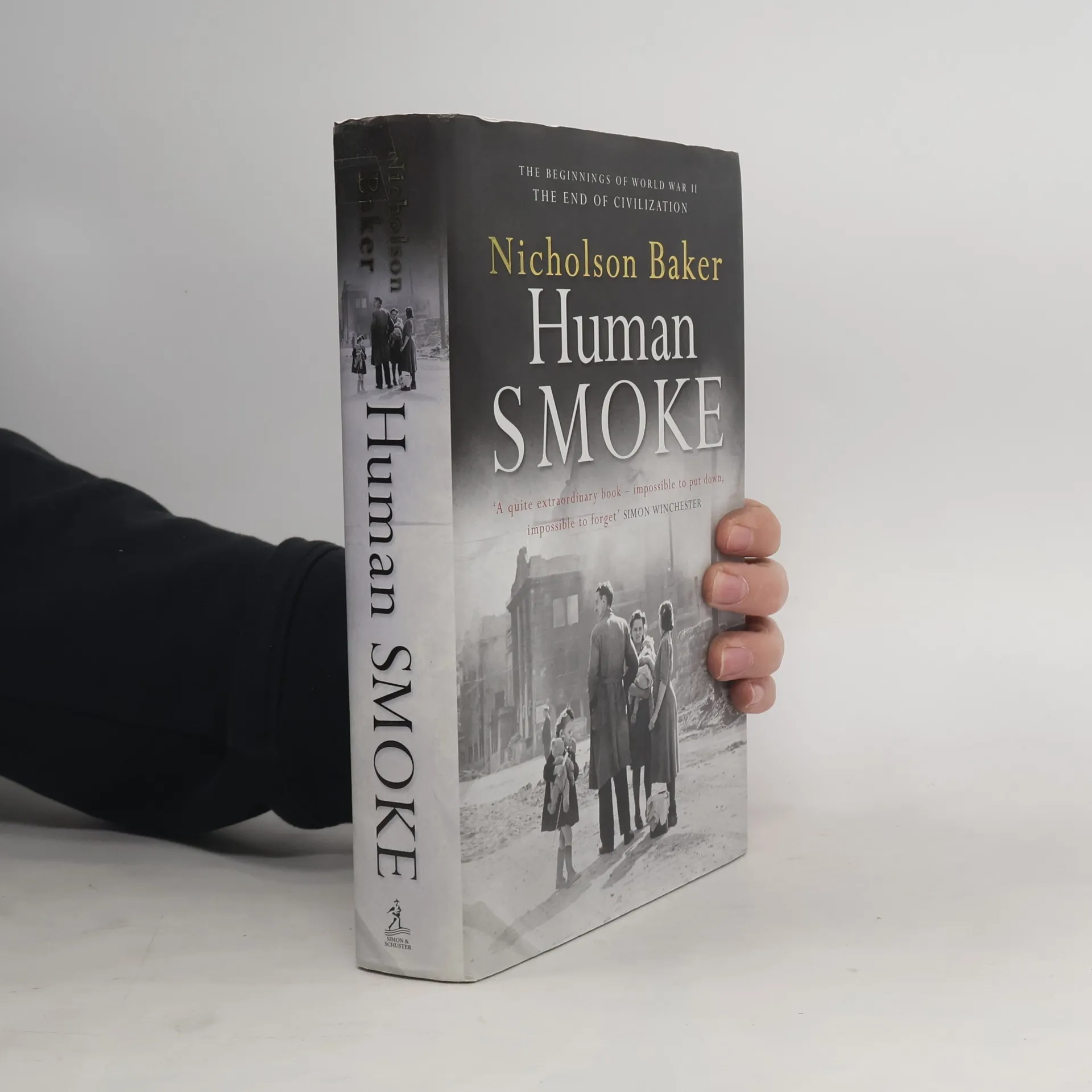
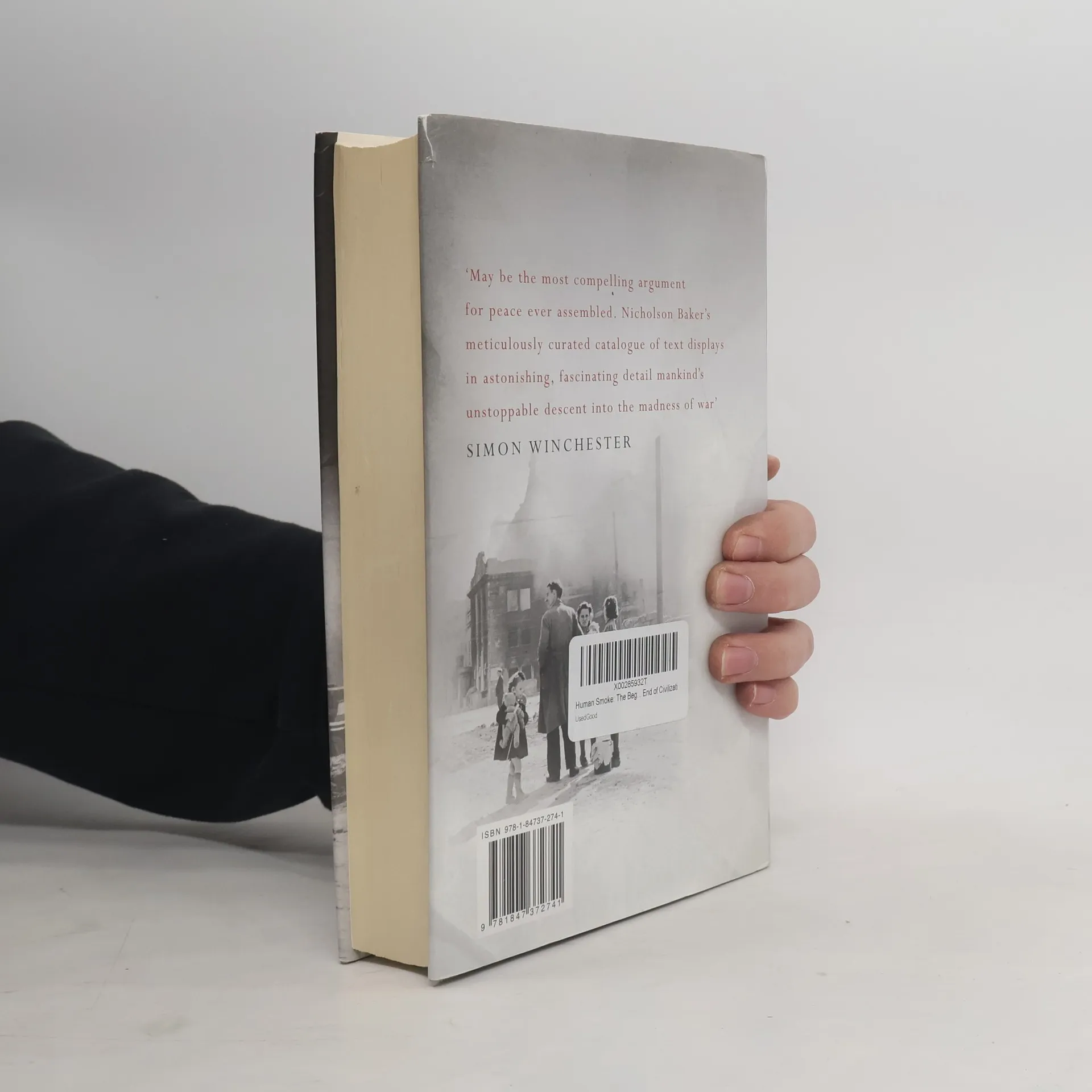
Human Smoke

The Beginnings of World War II, the End of Civilization

Autor*innen

Buchbewertung

Mehr zum Buch

In a time when military aggression is often seen as a solution for international peace, Nicholson Baker's provocative narrative offers a critical examination of the political misjudgments and biases that contributed to the catastrophic events of the Second World War. Through meticulous research, Baker challenges established myths surrounding the war's origins and the atrocities of the Holocaust. He highlights how Churchill and England played a significant role in Mussolini's rise to power and points out that a young FDR, before leading the U.S. against Nazi Germany, advocated for limiting Jewish admissions to Harvard. The narrative also pays tribute to those who foresaw the impending violence and bravely opposed it, exemplified by Gandhi's symbolic march to the ocean, which led to his imprisonment by the British. Acclaimed for his eloquent writing and keen observational skills, Baker combines sweeping historical narratives with detailed vignettes of influential figures and pivotal moments, sparking fresh dialogue on these critical issues.

Buchkauf

Human Smoke, Nicholson Baker

Sprache
Erscheinungsdatum
2008
product-detail.submit-box.info.binding
(Hardcover),
Buchzustand
Gebraucht - Gut
Preis
€ 4,79

Lieferung

  • Gratis Versand ab 16,99 € in ganz Österreich! Mehr Infos.

Zahlungsmethoden

4,1
Sehr gut
1685 Bewertung

Hier könnte deine Bewertung stehen.

Titel
Human Smoke
Untertitel
The Beginnings of World War II, the End of Civilization
Sprache
Englisch
Autor*innen
Nicholson Baker
Erscheinungsdatum
2008
Einband
Hardcover
Seitenzahl
576
ISBN10
1416567844
ISBN13
9781416567844
Reihe
Originaltitel
Human smoke
Bewertung
4,05 von 5 Sternen
Beschreibung
In a time when military aggression is often seen as a solution for international peace, Nicholson Baker's provocative narrative offers a critical examination of the political misjudgments and biases that contributed to the catastrophic events of the Second World War. Through meticulous research, Baker challenges established myths surrounding the war's origins and the atrocities of the Holocaust. He highlights how Churchill and England played a significant role in Mussolini's rise to power and points out that a young FDR, before leading the U.S. against Nazi Germany, advocated for limiting Jewish admissions to Harvard. The narrative also pays tribute to those who foresaw the impending violence and bravely opposed it, exemplified by Gandhi's symbolic march to the ocean, which led to his imprisonment by the British. Acclaimed for his eloquent writing and keen observational skills, Baker combines sweeping historical narratives with detailed vignettes of influential figures and pivotal moments, sparking fresh dialogue on these critical issues.

