

Parameter
- 141 Seiten
- 5 Lesestunden
Mehr zum Buch
Anton Pavlovich Chekhov (1860-1904) was a Russian short story writer and a playwright. His playwriting career produced four classics, while his best short stories are held in high esteem by writers and critics. Chekhov practiced as a doctor throughout most of his literary career: "Medicine is my lawful wife, " he once said, "and literature is my mistress." Chekhov renounced the theatre after the disastrous reception of The Seagull in 1896; but the play was revived to acclaim by Constantin Stanislavski's Moscow Art Theatre, which subsequently also produced Uncle Vanya and premiered Chekhov's last two plays, Three Sisters and The Cherry Orchard. These four works present a special challenge to the acting ensemble as well as to audiences, because in place of conventional action Chekhov offers a "theatre of mood" and a "submerged life in the text." His originality consists in an early use of the stream-of-consciousness technique combined with a disavowal of the moral finality of traditional story structure.





Buchkauf
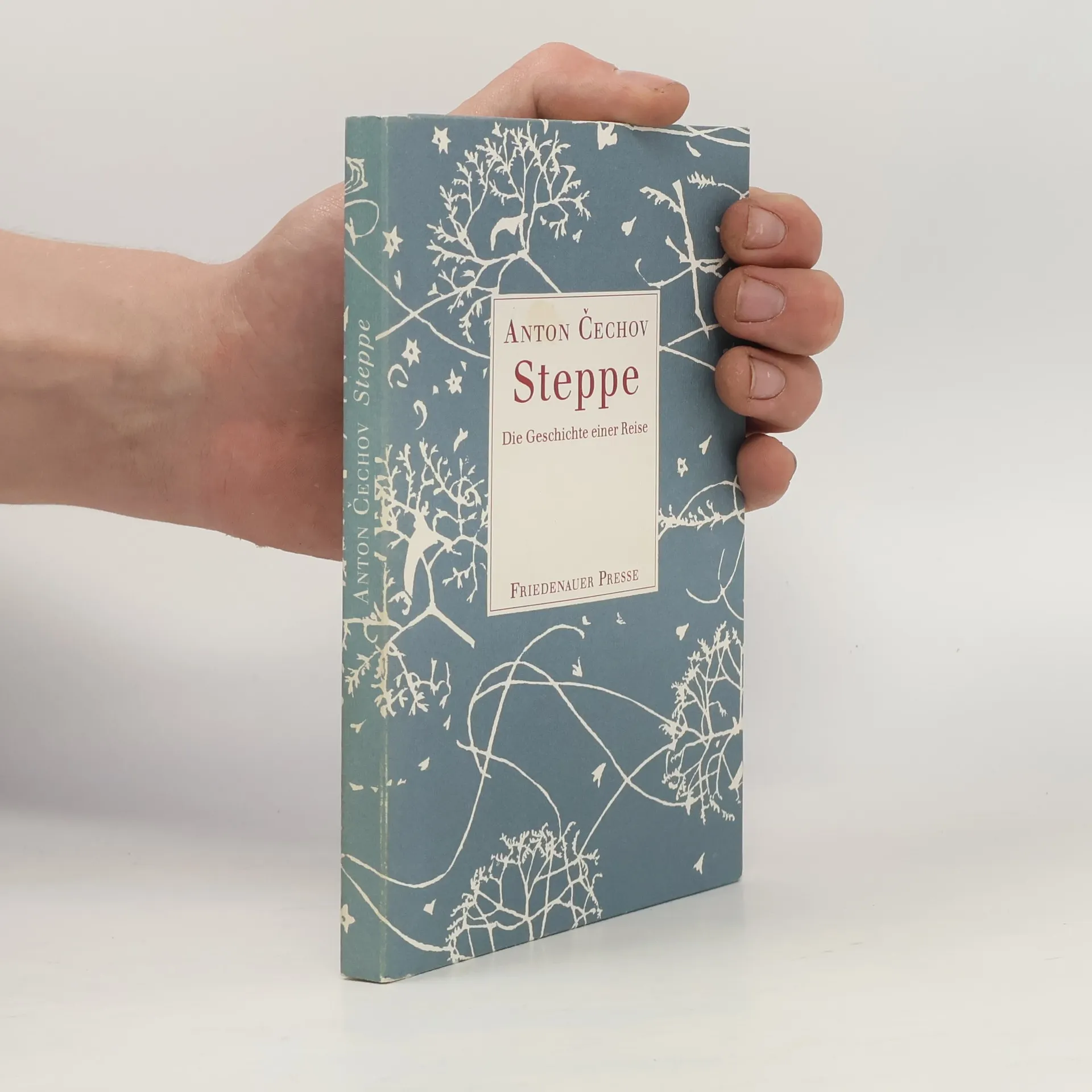
Steppe, Anton Chekhov
- Sprache

- Erscheinungsdatum
- 1997
- product-detail.submit-box.info.binding
- (Paperback)
Hier könnte deine Bewertung stehen.
- Titel
- Steppe
- Sprache
- Deutsch
- Autor*innen
- Anton Chekhov
- Verlag
- Friedenauer Presse
- Erscheinungsdatum
- 1997
- Einband
- Paperback
- Seitenzahl
- 141
- ISBN10
- 3932109023
- ISBN13
- 9783932109027
- Reihe
- Schlagwörter
- Belletristik, Weltliteratur
- Originaltitel
- Step'
- Bewertung
- 3,15 von 5 Sternen
- Beschreibung
- Anton Pavlovich Chekhov (1860-1904) was a Russian short story writer and a playwright. His playwriting career produced four classics, while his best short stories are held in high esteem by writers and critics. Chekhov practiced as a doctor throughout most of his literary career: "Medicine is my lawful wife, " he once said, "and literature is my mistress." Chekhov renounced the theatre after the disastrous reception of The Seagull in 1896; but the play was revived to acclaim by Constantin Stanislavski's Moscow Art Theatre, which subsequently also produced Uncle Vanya and premiered Chekhov's last two plays, Three Sisters and The Cherry Orchard. These four works present a special challenge to the acting ensemble as well as to audiences, because in place of conventional action Chekhov offers a "theatre of mood" and a "submerged life in the text." His originality consists in an early use of the stream-of-consciousness technique combined with a disavowal of the moral finality of traditional story structure.