

Das Buch ist derzeit nicht auf Lager
Mehr zum Buch
Shakespeare's portrayal of Caesar presents a modern, complex character who grapples with vulnerability and self-awareness, contrasting with Plutarch's depiction. The play's open-ended structure suggests that its events resonate beyond the final scene, leaving the historical significance ambiguous. John D. Cox's introduction explores genre, characterization, and rhetoric, alongside a comprehensive history of critical analysis. Additional appendices feature key excerpts from influential works by Lucretius, Plutarch, and Montaigne, enriching the reader's understanding of the play's context.

Publikation


- 2024

- 2024
- 2023
- 2023
- 2023
- 2022
- 2022
- 2022
- 2022
- 2022
- 2022
- 2021
- 2021
- 2021
- 2018
- 2018
- 2017
- 2017
- 2016
- 2016
- 2015
- 2014
- 2014
- 2014
- 2013
- 2013
- 2012
- 2012
- 2012
- 2012
- 2012
- 2012
- 2012
- 2012
- 2012
- 2012
- 2012
- 2011
- 2011
- 2011
- 2011
- 2011
- 2011
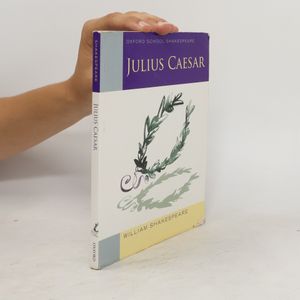
- 2010
- 2010
- 2009




- 2003


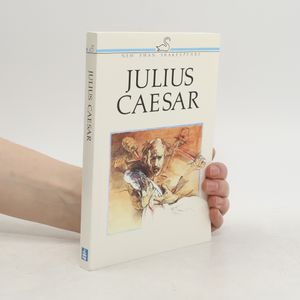
- 2000
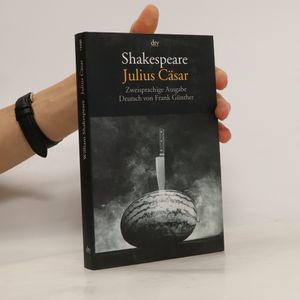
- 1998
- 1997


- 1992














Buchkauf
Julius Caesar, William Shakespeare
- Sprache

- Erscheinungsdatum
- 2014
Hier könnte deine Bewertung stehen.
- Titel
- Julius Caesar
- Sprache
- Englisch
- Autor*innen
- William Shakespeare
- Verlag
- Maple Press
- Erscheinungsdatum
- 2014
- Seitenzahl
- 114
- ISBN13
- 9789380005706
- Reihe
- Schlagwörter
- Belletristik, Historisches Thema, Klassiker, Kriege, Morde, Tod, Englische Literatur, Theaterstücke, Verrat, Rom, Sinti und Roma, Tragödie, Englische Dramen, Gaius Julius Caesar, Historische Dramen
- Erstveröffentlichung
- 1599
- Originaltitel
- The Tragedy of Julius Caesar
- Bewertung
- 3,75 von 5 Sternen
- Beschreibung
- Shakespeare's portrayal of Caesar presents a modern, complex character who grapples with vulnerability and self-awareness, contrasting with Plutarch's depiction. The play's open-ended structure suggests that its events resonate beyond the final scene, leaving the historical significance ambiguous. John D. Cox's introduction explores genre, characterization, and rhetoric, alongside a comprehensive history of critical analysis. Additional appendices feature key excerpts from influential works by Lucretius, Plutarch, and Montaigne, enriching the reader's understanding of the play's context.