

Ausverkauft
Mehr zum Buch
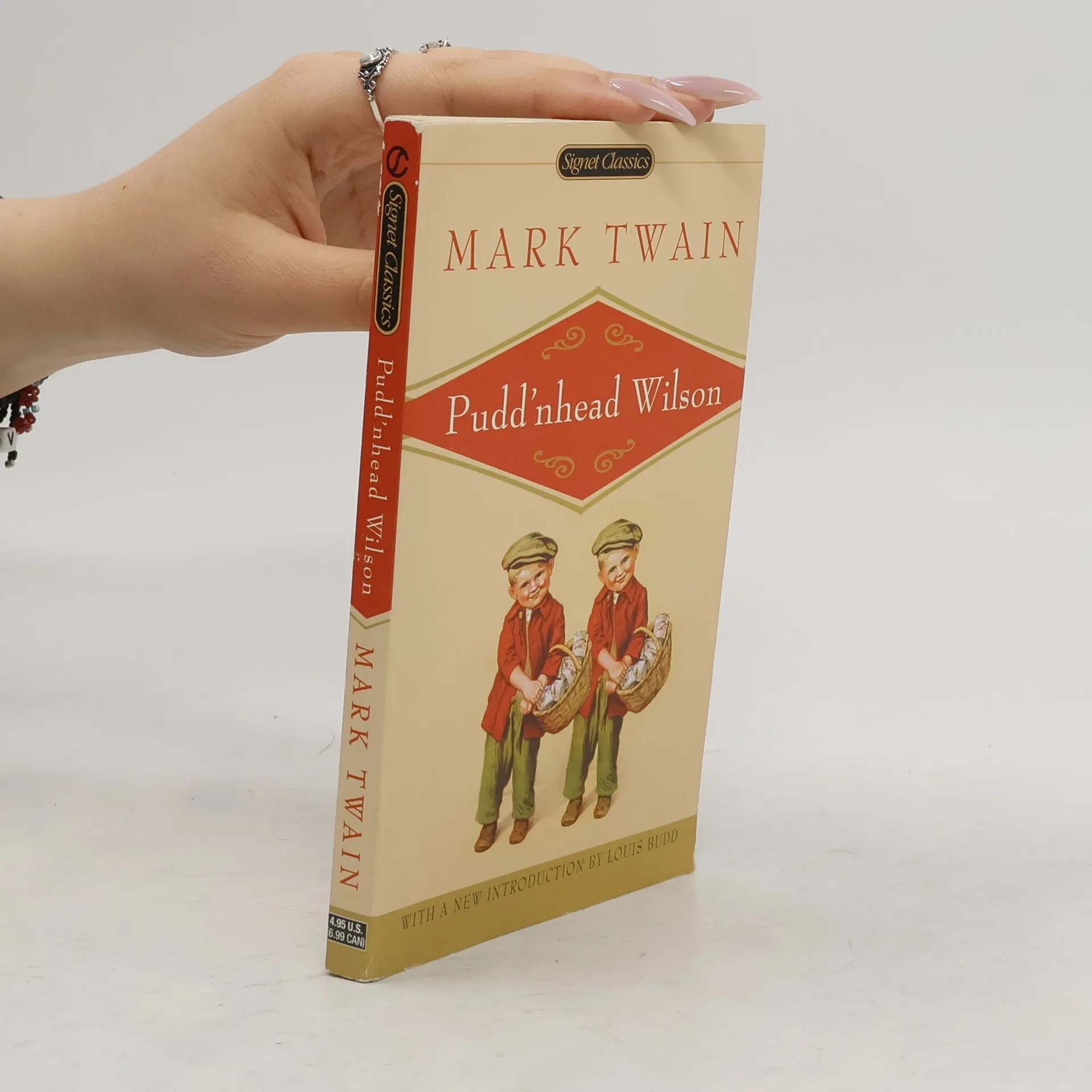
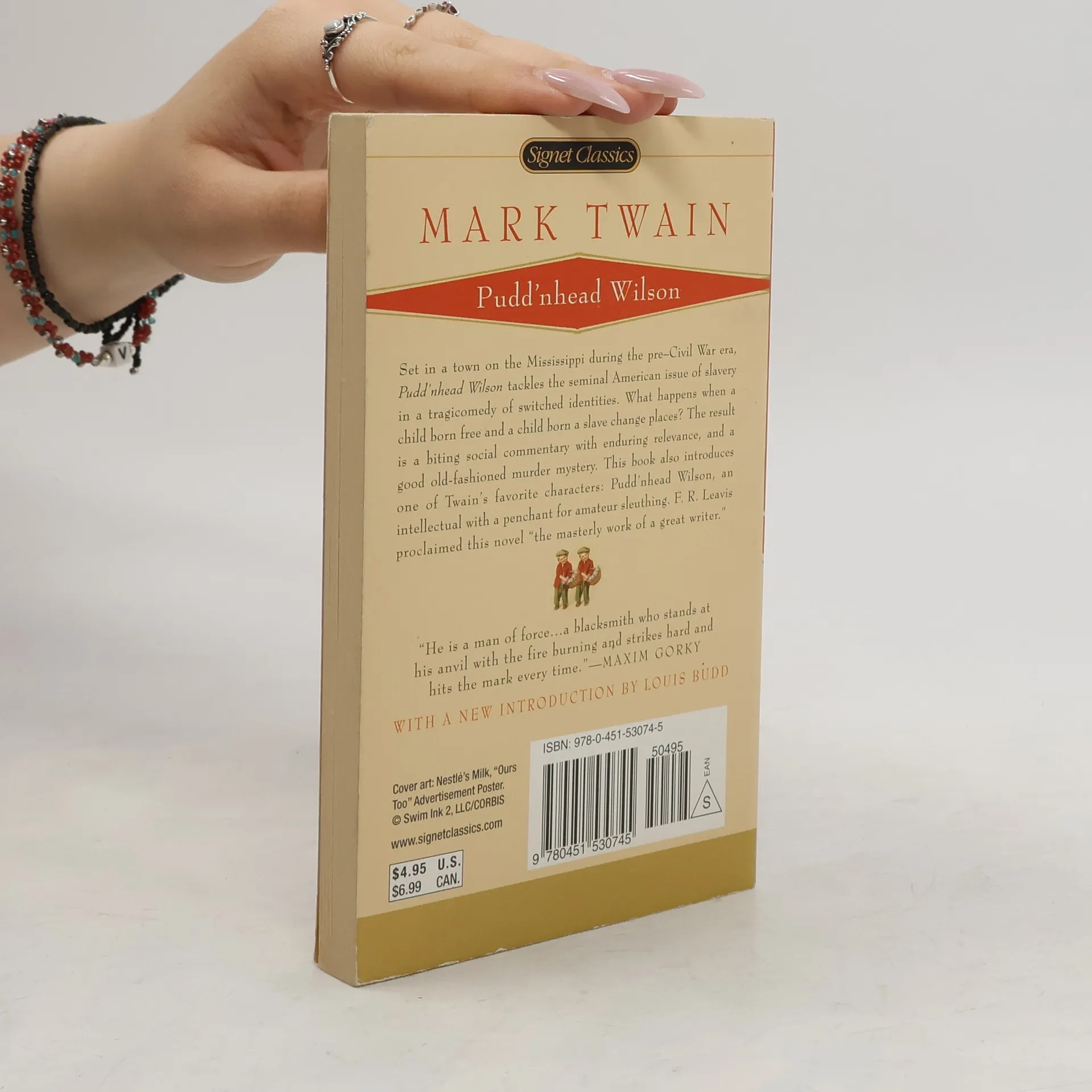
Mark Twain takes a hard look at the consequences of slavery in America in this classic satire. Set in a town on the Mississippi during the pre-Civil War era, Pudd’nhead Wilson tackles the seminal American issue of slavery in a tragicomedy of switched identities. What happens when a child born free and a child born a slave change places? The result is a biting social commentary with enduring relevance, and a good old-fashioned murder mystery. It also introduces one of Twain’s favorite characters: Pudd’nhead Wilson, an intellectual with a penchant for amateur sleuthing. F.R. Leavis proclaimed this novel “the masterly work of a great writer.” With an Introduction by Louis Budd




Buchkauf
Pudd'nhead Wilson, Mark Twain
- Sprache

- Erscheinungsdatum
- 2007
- product-detail.submit-box.info.binding
- (Paperback)
Wir benachrichtigen dich per E-Mail.
Hier könnte deine Bewertung stehen.
- Titel
- Pudd'nhead Wilson
- Sprache
- Englisch
- Autor*innen
- Mark Twain
- Verlag
- Penguin Putnam Inc
- Erscheinungsdatum
- 2007
- Einband
- Paperback
- Seitenzahl
- 176
- ISBN10
- 0451530748
- ISBN13
- 9780451530745
- Reihe
- Schlagwörter
- Belletristik, Historisches Thema, Humor, Klassiker, USA, Amerikanische Literatur, Schule, 19. Jahrhundert, Rasse, Rassismus, Kriminalistik, Sklaverei, Mississippi
- Originaltitel
- Pudd'nhead Wilson
- Bewertung
- 3,7 von 5 Sternen
- Beschreibung
- Mark Twain takes a hard look at the consequences of slavery in America in this classic satire. Set in a town on the Mississippi during the pre-Civil War era, Pudd’nhead Wilson tackles the seminal American issue of slavery in a tragicomedy of switched identities. What happens when a child born free and a child born a slave change places? The result is a biting social commentary with enduring relevance, and a good old-fashioned murder mystery. It also introduces one of Twain’s favorite characters: Pudd’nhead Wilson, an intellectual with a penchant for amateur sleuthing. F.R. Leavis proclaimed this novel “the masterly work of a great writer.” With an Introduction by Louis Budd