



Parameter
- 484 Seiten
- 17 Lesestunden
Mehr zum Buch
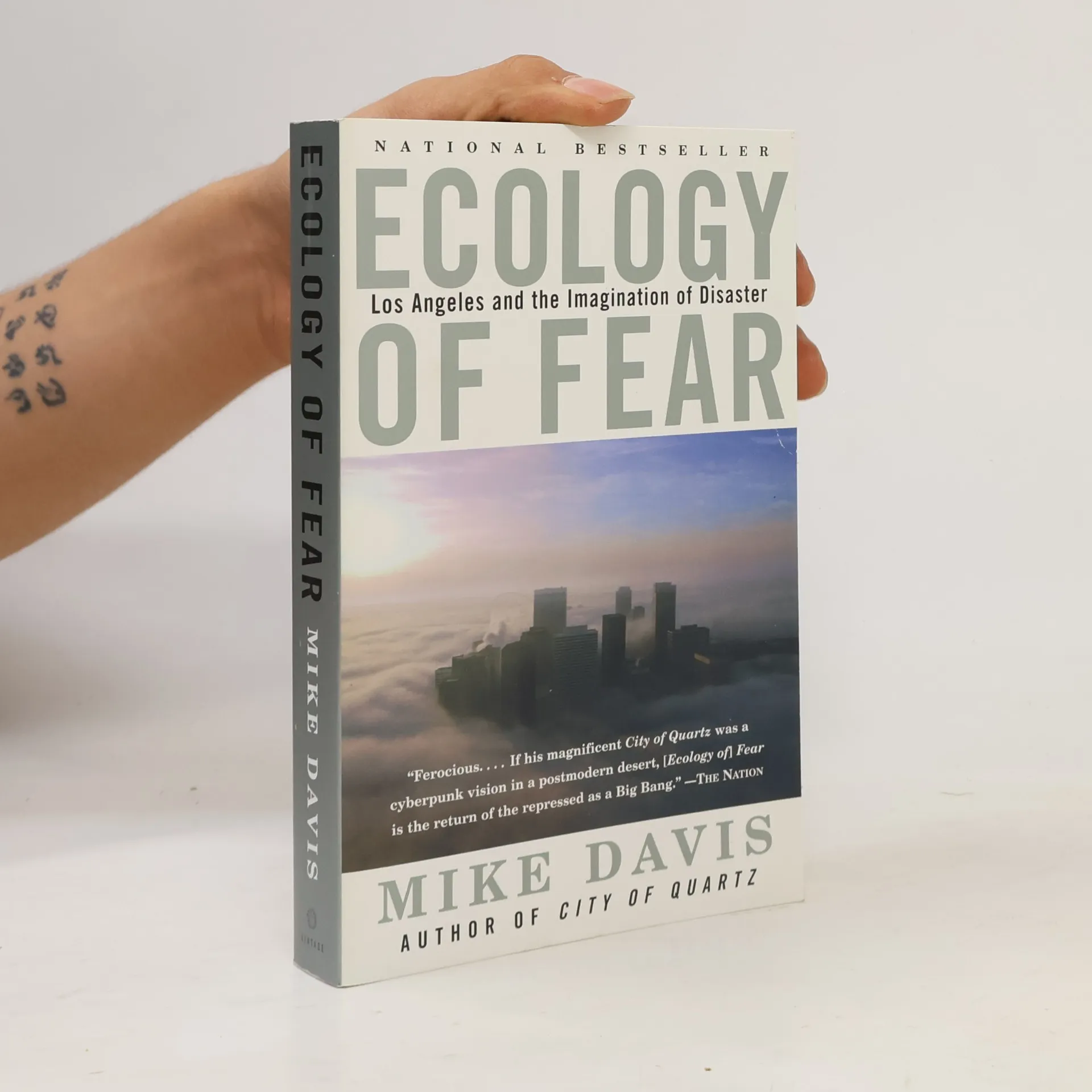
Graced with a bold political and environmental vision, this work presents a unique scholarship that intertwines L.A.'s fragile ecology with its troubled history. The author revisits Los Angeles as a theme park of apocalyptic events, highlighting the city's vulnerability due to the actions of land developers, builders, and politicians. The narrative reveals how L.A. has been systematically placed in harm's way, accumulating an inevitable toll from future catastrophes. Davis juxtaposes the city's role in America's fantasy life—having been destroyed 138 times in literature and film since 1909—with its denial of a troubling reality. This creates a vivid portrayal of American fact, imagery, and sensibility. Drawing on a wide range of sources, the work captures the nation's violent malaise and social unease at the turn of the millennium. With sharp wit and passionate critique, it offers a profound exploration of the likely urban future, suggesting that the end is not just a distant possibility but an imminent reality. The account is both dizzying and thought-provoking, emphasizing the urgent need to confront these looming threats.
Sprache




Buchkauf
Ecology of Fear, Mike Davis
- Sprache

- Erscheinungsdatum
- 1999
- Einband
- (Paperback),
- Buchzustand
- Gebraucht - Gut
- Preis
- € 7,99
Hier könnte deine Bewertung stehen.
- Titel
- Ecology of Fear
- Untertitel
- Los Angeles and the Imagination of Disaster
- Sprache
- Englisch
- Autor*innen
- Mike Davis
- Verlag
- Vintage Books
- Erscheinungsdatum
- 1999
- Einband
- Paperback
- Seitenzahl
- 484
- ISBN10
- 0375706070
- ISBN13
- 9780375706073
- Reihe
- Schlagwörter
- Sachbücher, Sozialwissenschaften, Historisches Thema, Geschichte, Wissenschaft & Mathematik, Politikwissenschaft, Politik, USA, Ökologische Thematik, Soziologie, Ökologie, San Francisco, Naturkatastrophen, Erdbeben
- Originaltitel
- The ecology of fear
- Bewertung
- 4,15 von 5 Sternen
- Beschreibung
- Graced with a bold political and environmental vision, this work presents a unique scholarship that intertwines L.A.'s fragile ecology with its troubled history. The author revisits Los Angeles as a theme park of apocalyptic events, highlighting the city's vulnerability due to the actions of land developers, builders, and politicians. The narrative reveals how L.A. has been systematically placed in harm's way, accumulating an inevitable toll from future catastrophes. Davis juxtaposes the city's role in America's fantasy life—having been destroyed 138 times in literature and film since 1909—with its denial of a troubling reality. This creates a vivid portrayal of American fact, imagery, and sensibility. Drawing on a wide range of sources, the work captures the nation's violent malaise and social unease at the turn of the millennium. With sharp wit and passionate critique, it offers a profound exploration of the likely urban future, suggesting that the end is not just a distant possibility but an imminent reality. The account is both dizzying and thought-provoking, emphasizing the urgent need to confront these looming threats.