



Mehr zum Buch
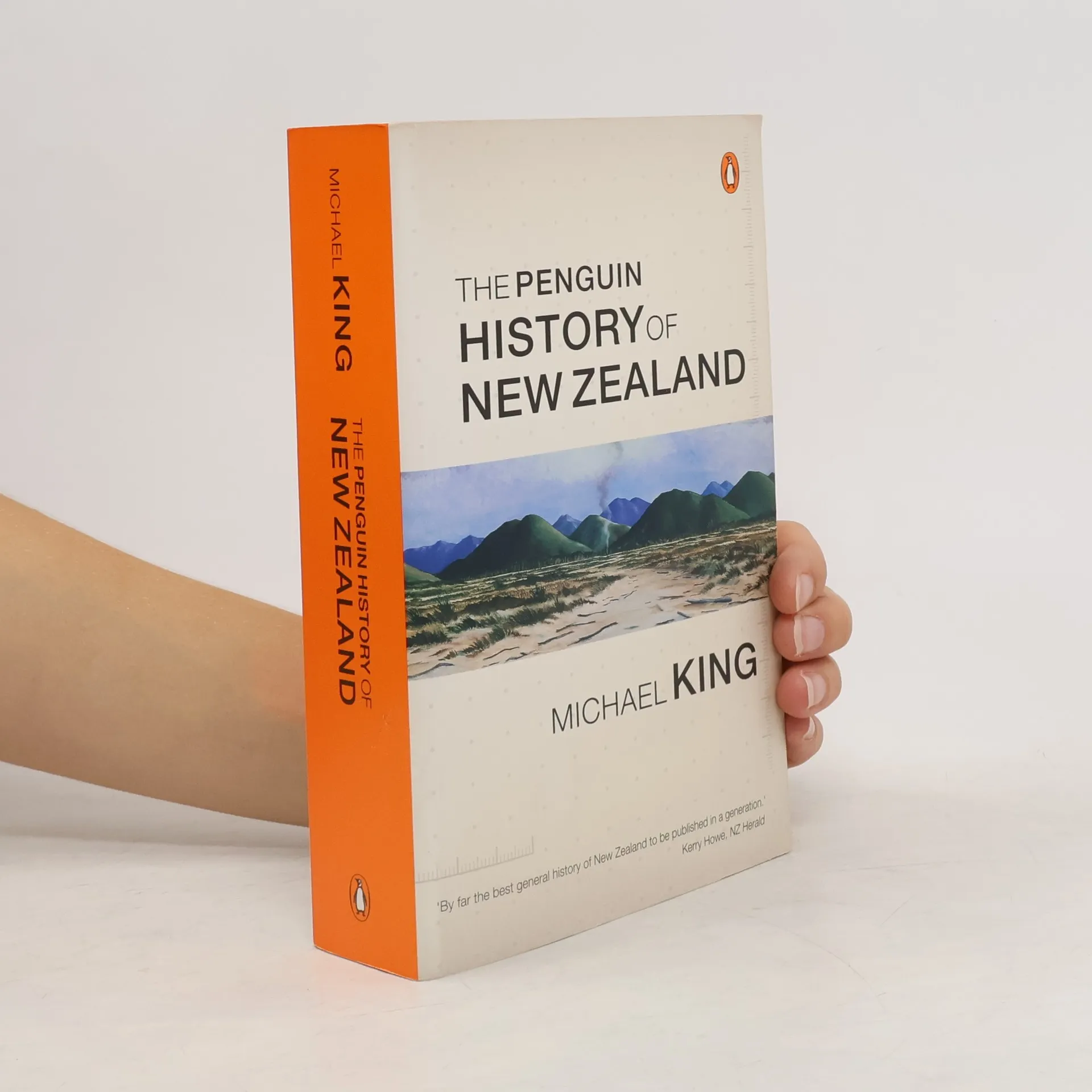
New Zealand was the last country in the world to be discovered and settled by humankind. It was also the first to introduce a full democracy. Between those events, and in the century that followed the franchise, the movements and the conflicts of human history have been played out more intensively and more rapidly in New Zealand than anywhere else on Earth. This title tells that story in all its colour and drama. The narrative that emerges is an inclusive one about men and women, Maori and Pakeha. It shows that British motives in colonizing New Zealand were essentially humane; and that Maori, far from being passive victims of a "fatal impact", coped heroically with colonization and survived by selectively accepting and adapting what Western technology and culture had to offer. The latter part of the book reveals how an insulated and dependent British colony transformed itself into an independent nation, open to and competing with technological and cultural influences sweeping the globe.
Buchkauf
The Penguin History of New Zealand, Michael King
- Sprache

- Erscheinungsdatum
- 2003
- Einband
- (Paperback)
Hier könnte deine Bewertung stehen.
- Titel
- The Penguin History of New Zealand
- Sprache
- Englisch
- Autor*innen
- Michael King
- Verlag
- Penguin New Zealand
- Erscheinungsdatum
- 2003
- Einband
- Paperback
- ISBN10
- 0143018671
- ISBN13
- 9780143018674
- Reihe
- Schlagwörter
- Historisches Thema, Reisen, Handbücher und Anleitungen, 21. Jahrhundert
- Bewertung
- 4,15 von 5 Sternen
- Beschreibung
- New Zealand was the last country in the world to be discovered and settled by humankind. It was also the first to introduce a full democracy. Between those events, and in the century that followed the franchise, the movements and the conflicts of human history have been played out more intensively and more rapidly in New Zealand than anywhere else on Earth. This title tells that story in all its colour and drama. The narrative that emerges is an inclusive one about men and women, Maori and Pakeha. It shows that British motives in colonizing New Zealand were essentially humane; and that Maori, far from being passive victims of a "fatal impact", coped heroically with colonization and survived by selectively accepting and adapting what Western technology and culture had to offer. The latter part of the book reveals how an insulated and dependent British colony transformed itself into an independent nation, open to and competing with technological and cultural influences sweeping the globe.