

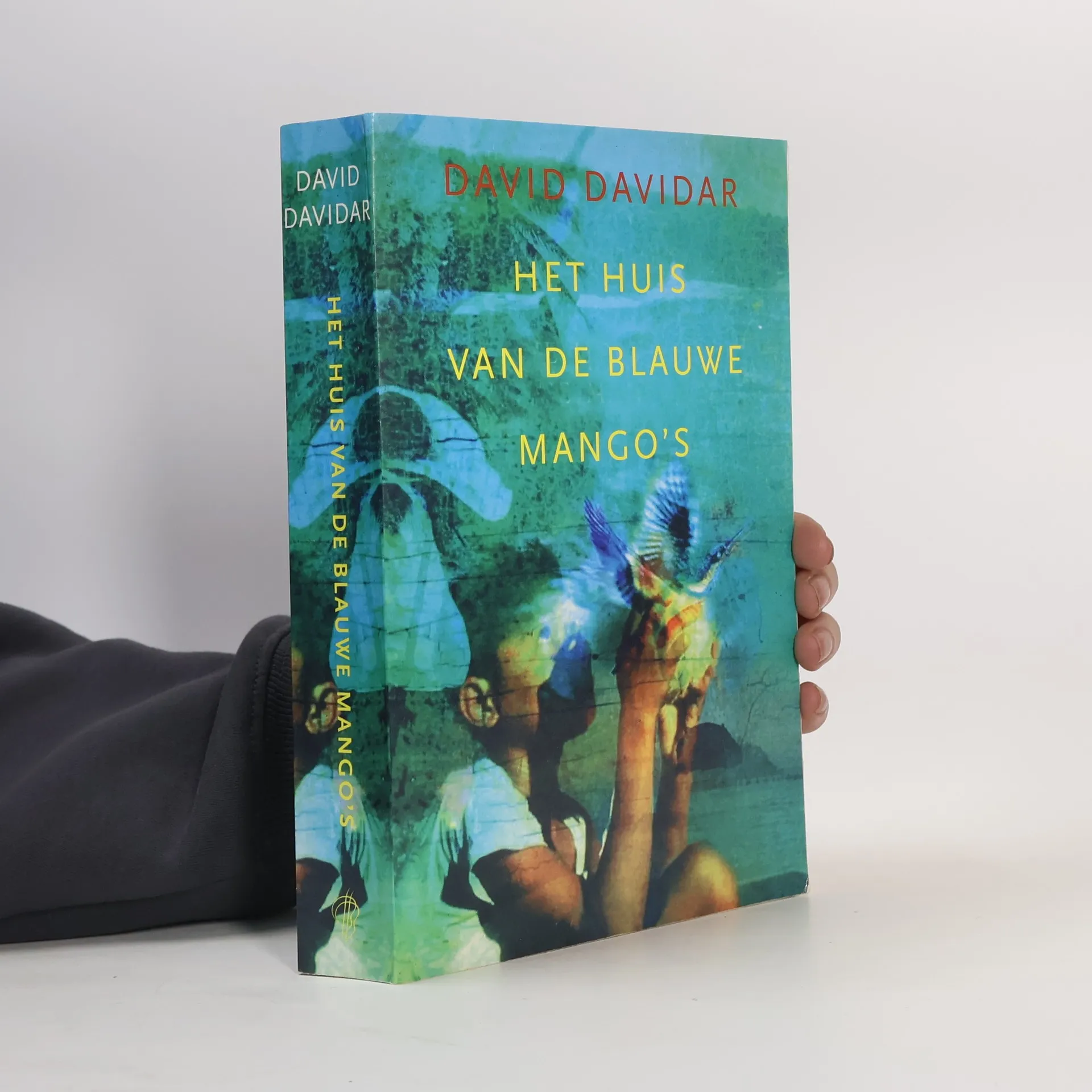



Mehr zum Buch
A memorable experience awaits readers in David Davidar's novel, which intricately weaves together multiple stories set in the oceanside village of Chevathar, India. Spanning three generations of a family, the narrative follows patriarch Solomon as he strives to maintain balance amid rising caste conflicts. His sons face triumphs and disasters during India's fight for independence, while his grandson embarks on his own quest for freedom. Each character is vividly portrayed, reflecting a Tolstoyan understanding of the broader human experience, encompassing heroes and rogues, clans and dynasties, and the beauty and ugliness of life. The story alternates between measured and hectic moments, intertwining themes of assassination, passionate affairs, exorcisms, and beggars' banquets. Drawing inspiration from India's great epics, the novel also captures the charm of everyday life, from brewing the perfect cup of tea to preparing a delicious biryani. Alongside the protagonists' struggles, the narrative explores the strategies employed by Mahatma Gandhi and Winston Churchill, as well as the role of English memsahibs in the decline of the Raj. The mangoes of India serve as a key symbol, embodying the rich, ripe essence of this engrossing and unique tale.
Sprache

Buchkauf
Het huis van de blauwe mango's, Ella Aertsen, David Davidar
- Sprache

- Erscheinungsdatum
- 2003
- product-detail.submit-box.info.binding
- (Paperback),
- Buchzustand
- Beschädigt
- Preis
- € 0,79
Hier könnte deine Bewertung stehen.
- Sprache
- Niederländisch
- Autor*innen
- Ella Aertsen, David Davidar
- Verlag
- Bert Bakker
- Erscheinungsdatum
- 2003
- Einband
- Paperback
- Seitenzahl
- 478
- ISBN10
- 9035124243
- ISBN13
- 9789035124240
- Reihe
- Schlagwörter
- Belletristik, Historische Romane, Asien, Indien, Indische Literatur
- Bewertung
- 2,65 von 5 Sternen
- Beschreibung
- A memorable experience awaits readers in David Davidar's novel, which intricately weaves together multiple stories set in the oceanside village of Chevathar, India. Spanning three generations of a family, the narrative follows patriarch Solomon as he strives to maintain balance amid rising caste conflicts. His sons face triumphs and disasters during India's fight for independence, while his grandson embarks on his own quest for freedom. Each character is vividly portrayed, reflecting a Tolstoyan understanding of the broader human experience, encompassing heroes and rogues, clans and dynasties, and the beauty and ugliness of life. The story alternates between measured and hectic moments, intertwining themes of assassination, passionate affairs, exorcisms, and beggars' banquets. Drawing inspiration from India's great epics, the novel also captures the charm of everyday life, from brewing the perfect cup of tea to preparing a delicious biryani. Alongside the protagonists' struggles, the narrative explores the strategies employed by Mahatma Gandhi and Winston Churchill, as well as the role of English memsahibs in the decline of the Raj. The mangoes of India serve as a key symbol, embodying the rich, ripe essence of this engrossing and unique tale.