


Parameter
- 328 Seiten
- 12 Lesestunden
Mehr zum Buch
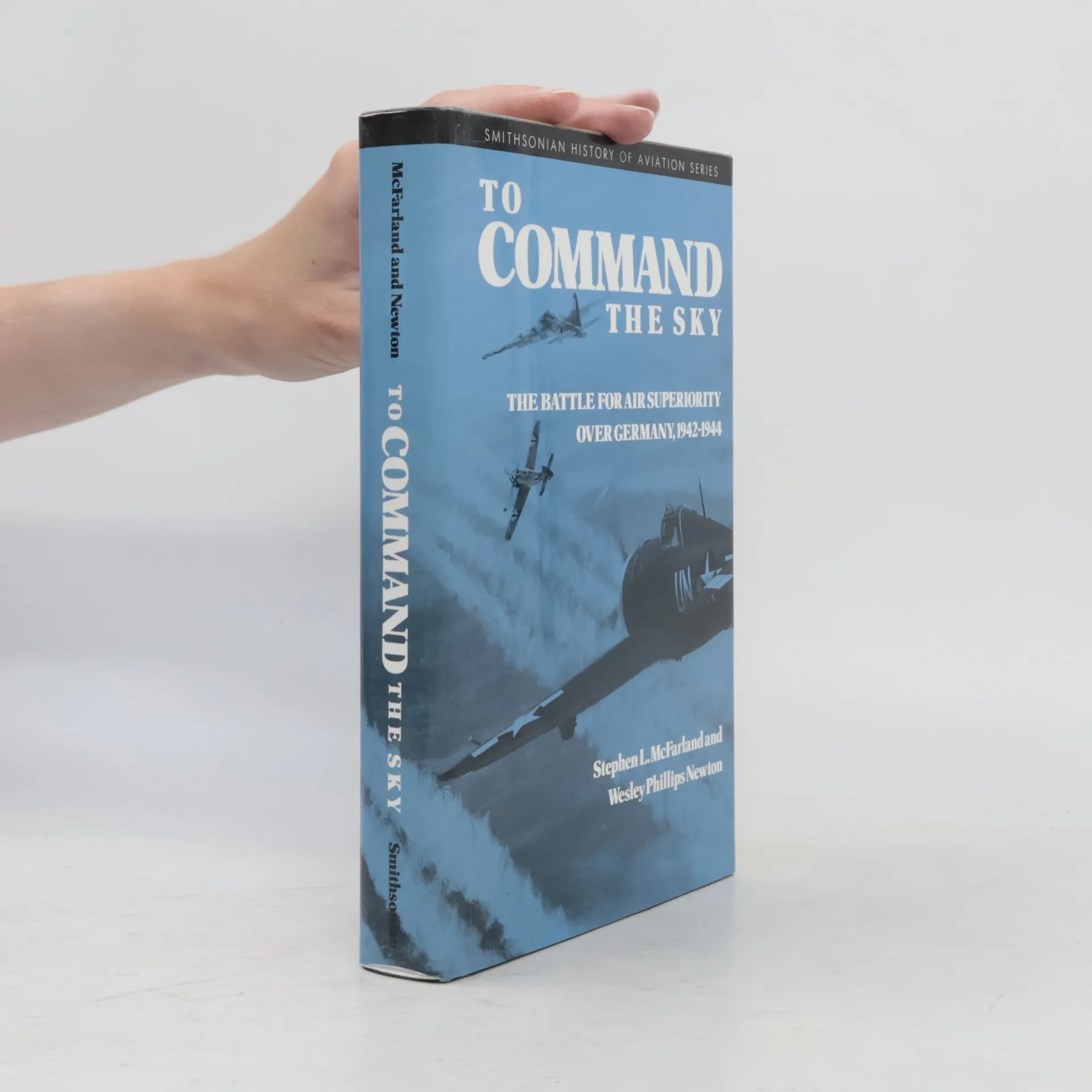
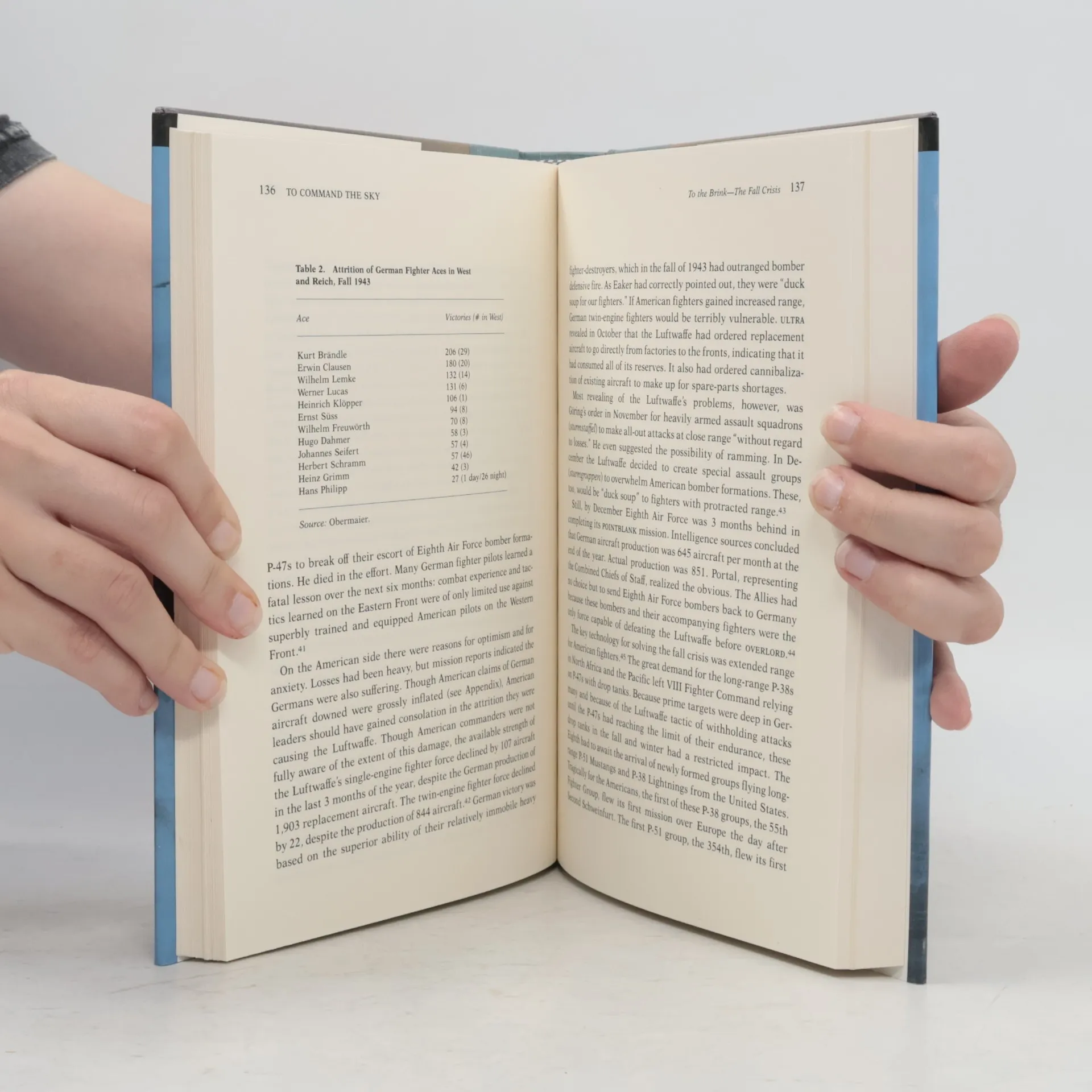
Until 1944, the United States Army Air Forces followed the doctrine of using intensive strategic bombing in their attempt to win the war against Germany. Bombed-out buildings and the skeletons of downed aircraft served as testimony to the intensity of these efforts, but strategic bombing did not prevail. German war production continued to increase and the German will to fight did not diminish. In 1944, a revitalized American leadership combined the technology of long-range fighter aircraft with revised tactics and a new strategic direction to produce an alternative air doctrine, the goal of which was air superiority. In this first book to examine specifically the doctrine of air superiority and its success during World War H, Stephen L. McFarland and Wesley Phillips Newton prove conclusively that the winning of air superiority—and not the success of strategic bombing—paved the way for the Allied victory in Europe. The authors of To Command the Sky show that without air superiority there could have been no successful Allied invasion of France. Drawing from both American and German sources, McFarland and Newton provide detailed accounts of the many controversies surrounding the air superiority campaign of World War II, including the transfer of General Ira Eaker, leader of the strategic bombing campaign, and the decision of Jimmy Doolittle to allow American fighter pilots to pursue German aircraft wherever they might be found. The authors also chronicle Goring’s disruptive interference in German tactics and strategy and the impact of attrition warfare on Allied aircrew morale. As To Command the Sky traces air superiority’s origins from the very first years of air combat through the air battles that took place beyond the beaches of Normandy, the authors examine the people, technology, command decisions, and events in the struggle for control of the skies.
Buchkauf
Smithsonian History of Aviation and Spaceflight Series: To Command the Sky, Stephen Lee McFarland, Wesley Phillips Newton
- Sprache

- Erscheinungsdatum
- 1991
- product-detail.submit-box.info.binding
- (Hardcover),
- Buchzustand
- Beschädigt
- Preis
- € 4,45
Keiner hat bisher bewertet.
- Sprache
- Englisch
- Autor*innen
- Stephen Lee McFarland, Wesley Phillips Newton
- Erscheinungsdatum
- 1991
- Einband
- Hardcover
- Seitenzahl
- 328
- ISBN10
- 1560980699
- ISBN13
- 9781560980698
- Reihe
- Schlagwörter
- Historisches Thema, Autos & Verkehr, USA, Militärgeschichte, Kriegsliteratur, Zweiter Weltkrieg, Militärwesen, Technologie, Europa, Luftfahrt, Geschichte Europas, Westeuropa, Waffen, Luftoperationen
- Beschreibung
- Until 1944, the United States Army Air Forces followed the doctrine of using intensive strategic bombing in their attempt to win the war against Germany. Bombed-out buildings and the skeletons of downed aircraft served as testimony to the intensity of these efforts, but strategic bombing did not prevail. German war production continued to increase and the German will to fight did not diminish. In 1944, a revitalized American leadership combined the technology of long-range fighter aircraft with revised tactics and a new strategic direction to produce an alternative air doctrine, the goal of which was air superiority. In this first book to examine specifically the doctrine of air superiority and its success during World War H, Stephen L. McFarland and Wesley Phillips Newton prove conclusively that the winning of air superiority—and not the success of strategic bombing—paved the way for the Allied victory in Europe. The authors of To Command the Sky show that without air superiority there could have been no successful Allied invasion of France. Drawing from both American and German sources, McFarland and Newton provide detailed accounts of the many controversies surrounding the air superiority campaign of World War II, including the transfer of General Ira Eaker, leader of the strategic bombing campaign, and the decision of Jimmy Doolittle to allow American fighter pilots to pursue German aircraft wherever they might be found. The authors also chronicle Goring’s disruptive interference in German tactics and strategy and the impact of attrition warfare on Allied aircrew morale. As To Command the Sky traces air superiority’s origins from the very first years of air combat through the air battles that took place beyond the beaches of Normandy, the authors examine the people, technology, command decisions, and events in the struggle for control of the skies.