Gratis Versand in ganz Österreich
Bookbot

Jean Giono

    30. März 1895 – 9. Oktober 1970

    Jean Giono (* 30. März 1895 in Manosque im Département Alpes-de-Haute-Provence; † 9. Oktober 1970 ebenda) war ein französischer Schriftsteller, der vor allem in seinen frühen Prosawerken naturreligiöse Vorstellungen vertrat und neben Frédéric Mistral und Marcel Pagnol als Schriftsteller seiner Heimat, der Provence, gilt.

    Jean Giono
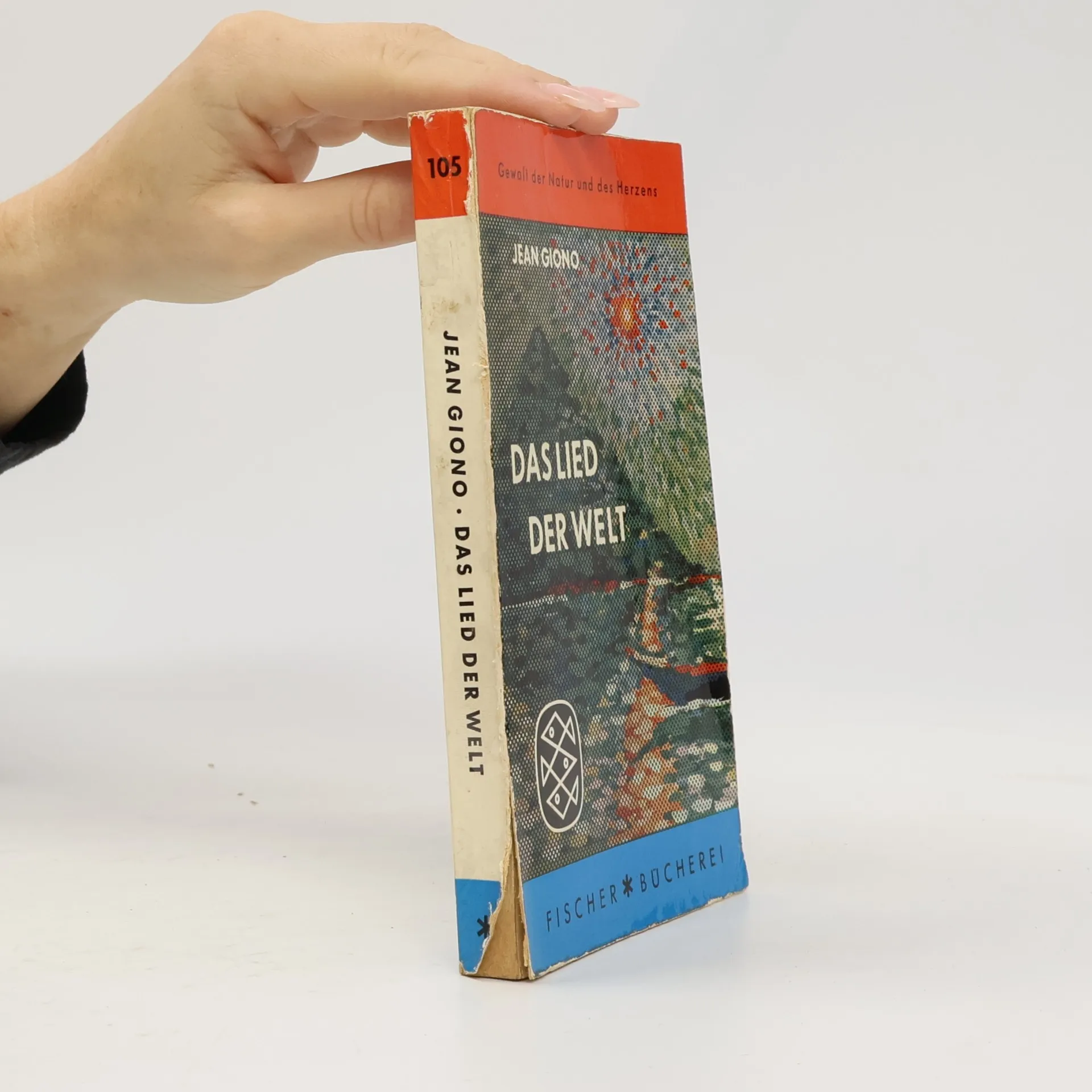
    Das Lied der Welt
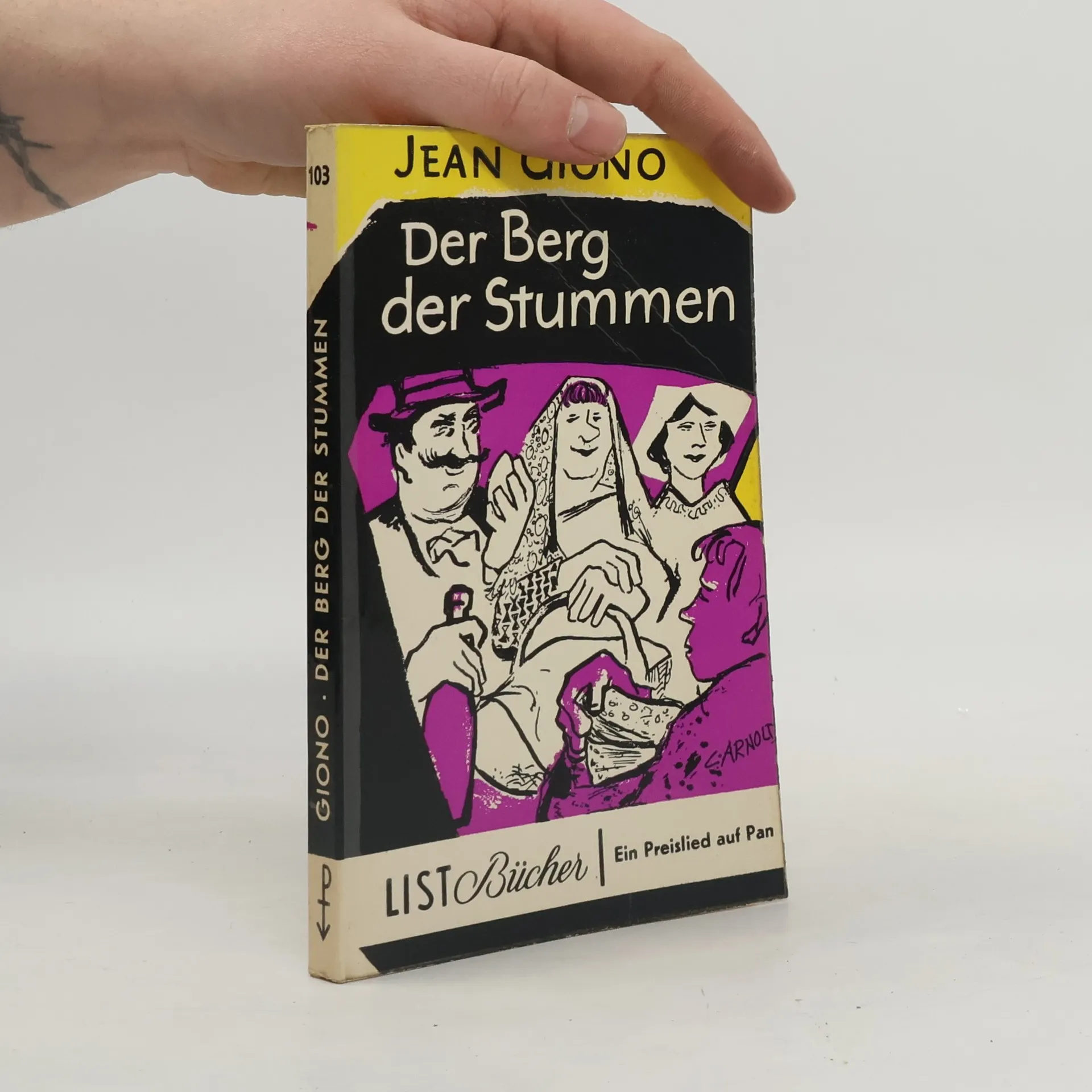
    Der Berg der Stummen
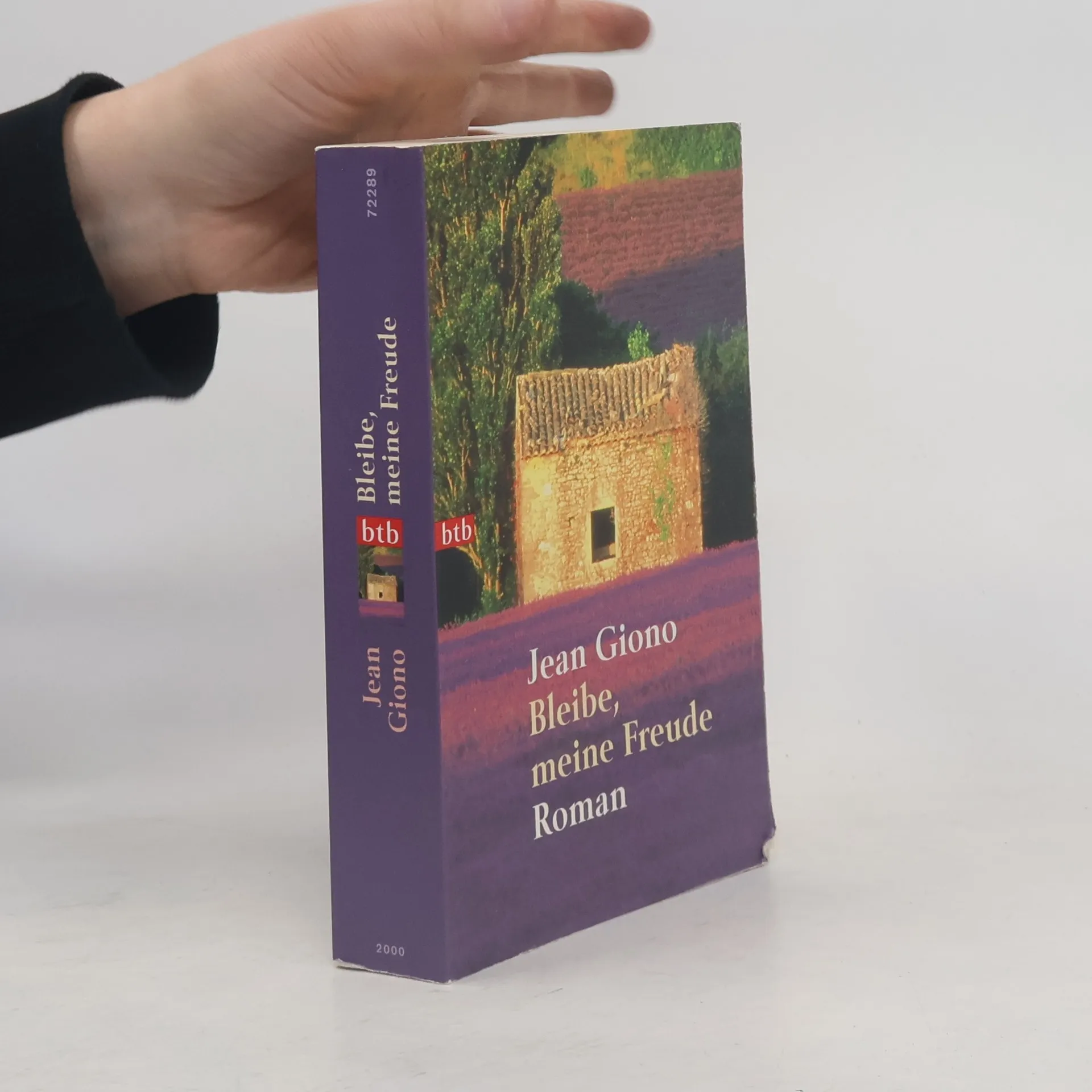
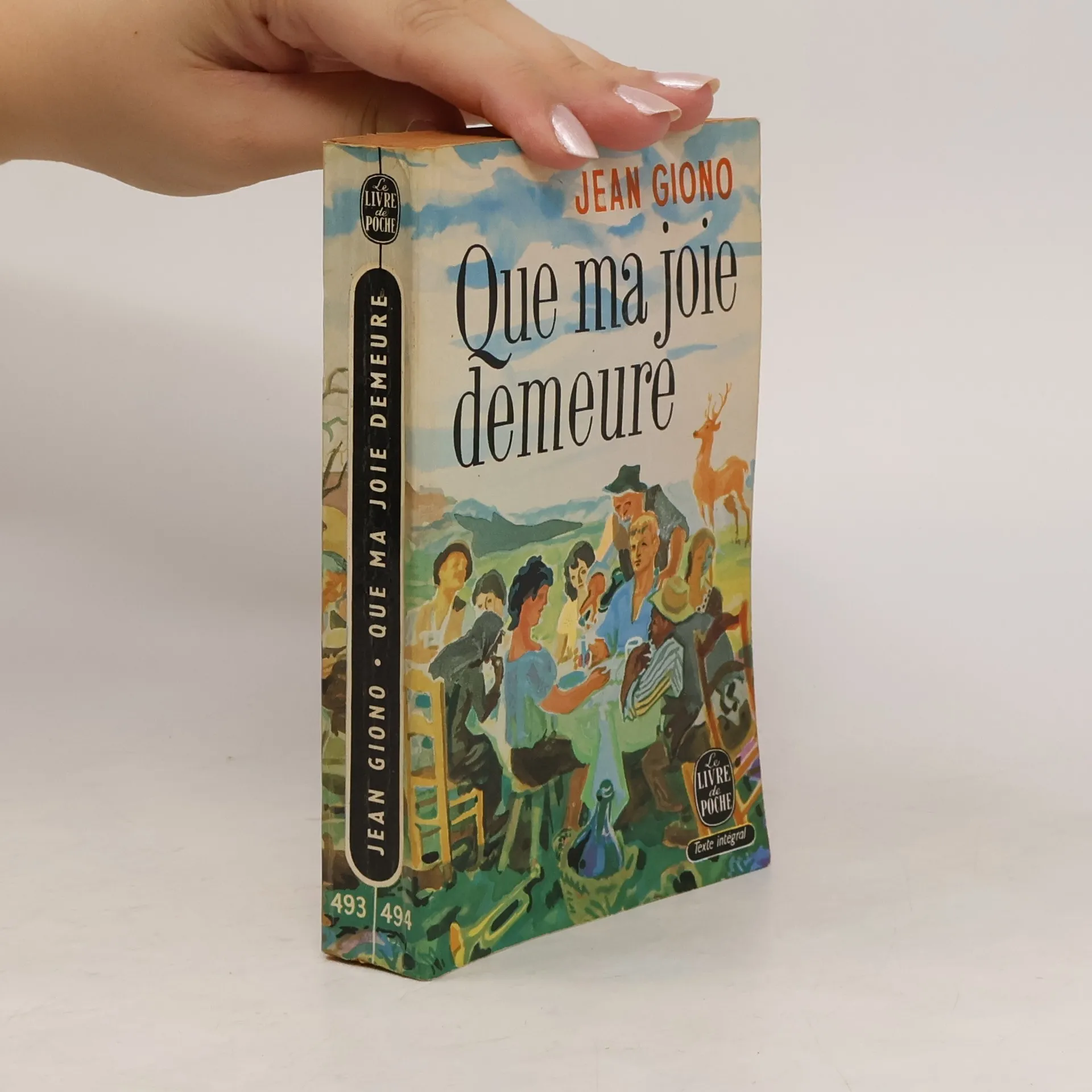
    Bleibe, meine Freude
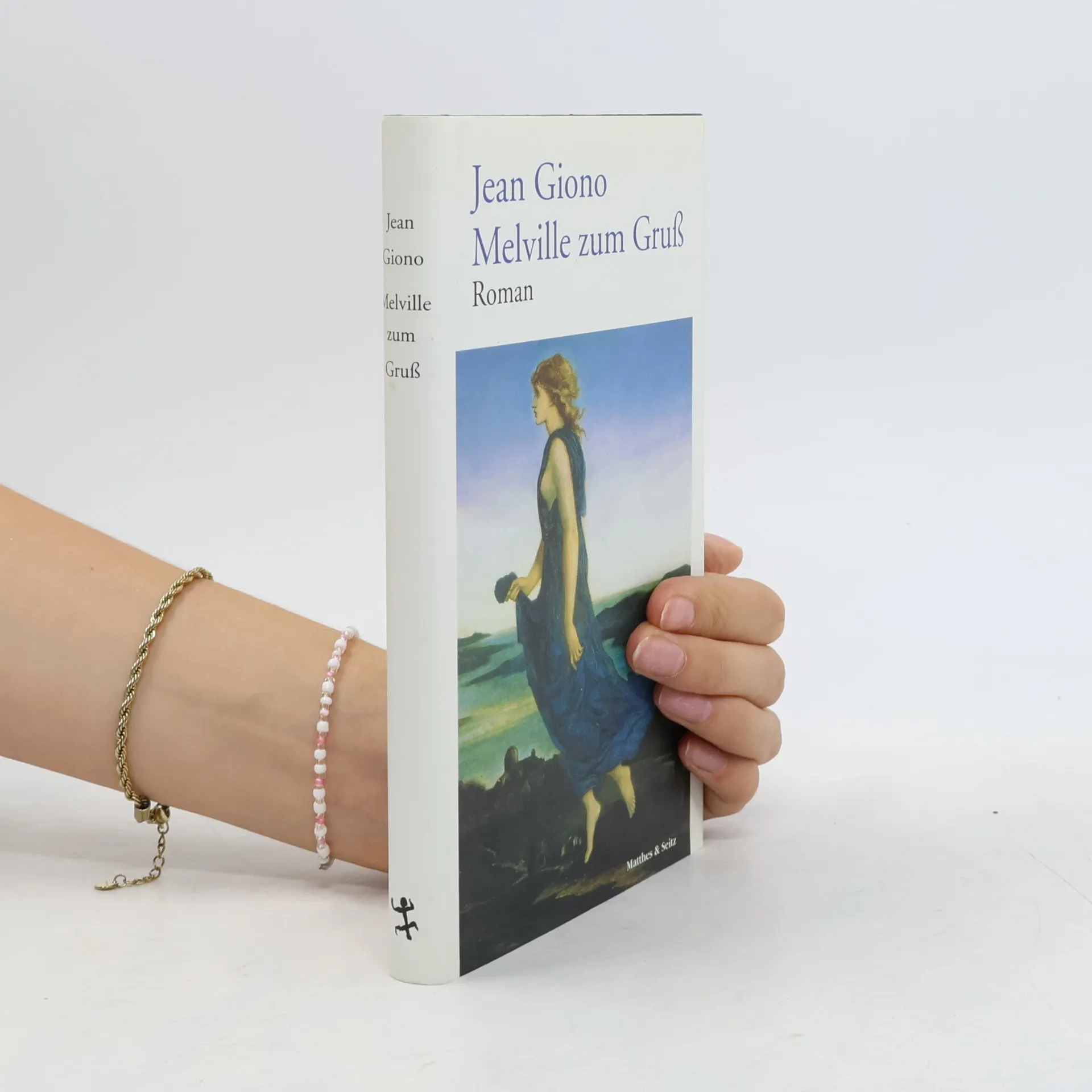
    Melville zum Gruß
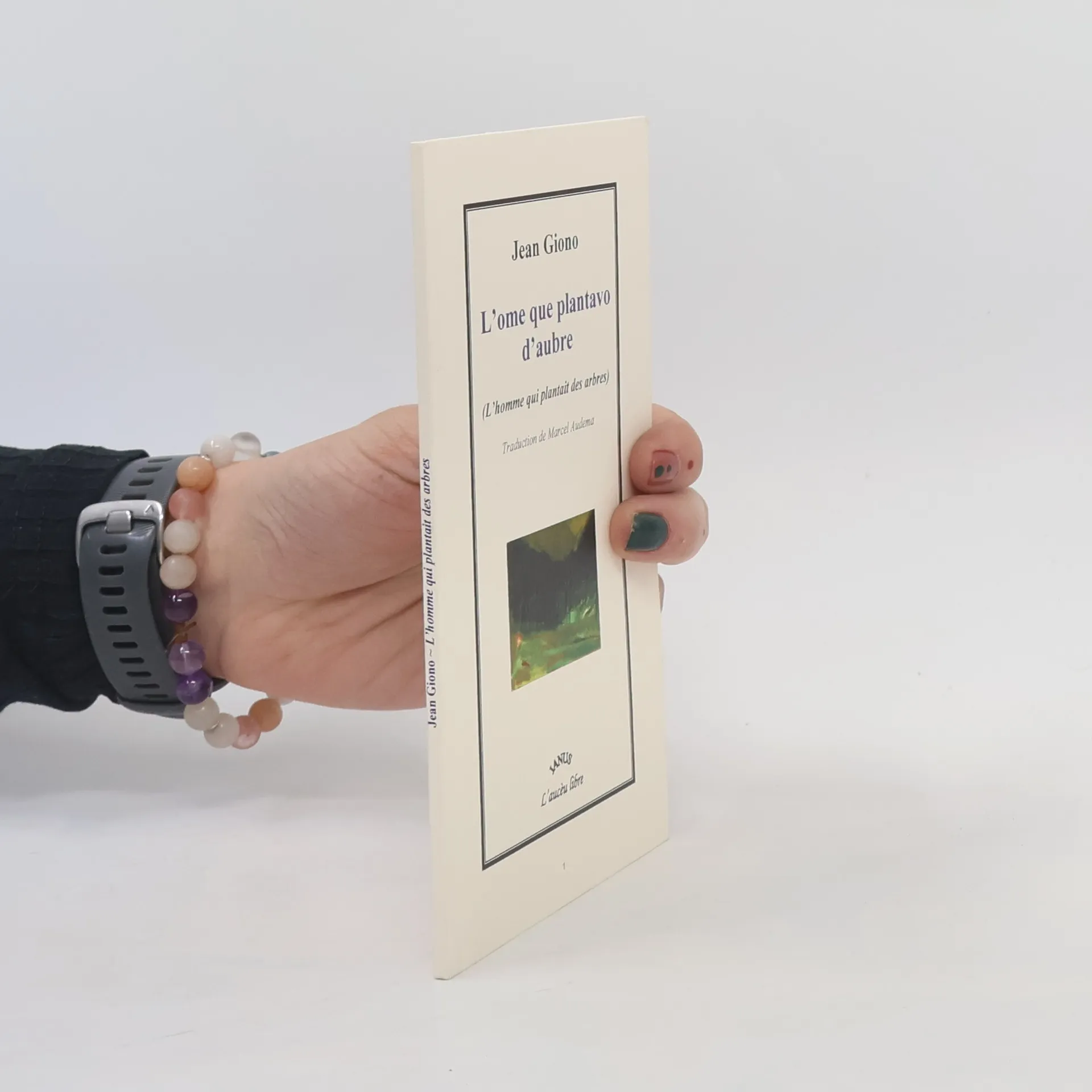
    Der Mann, der Bäume pflanzte
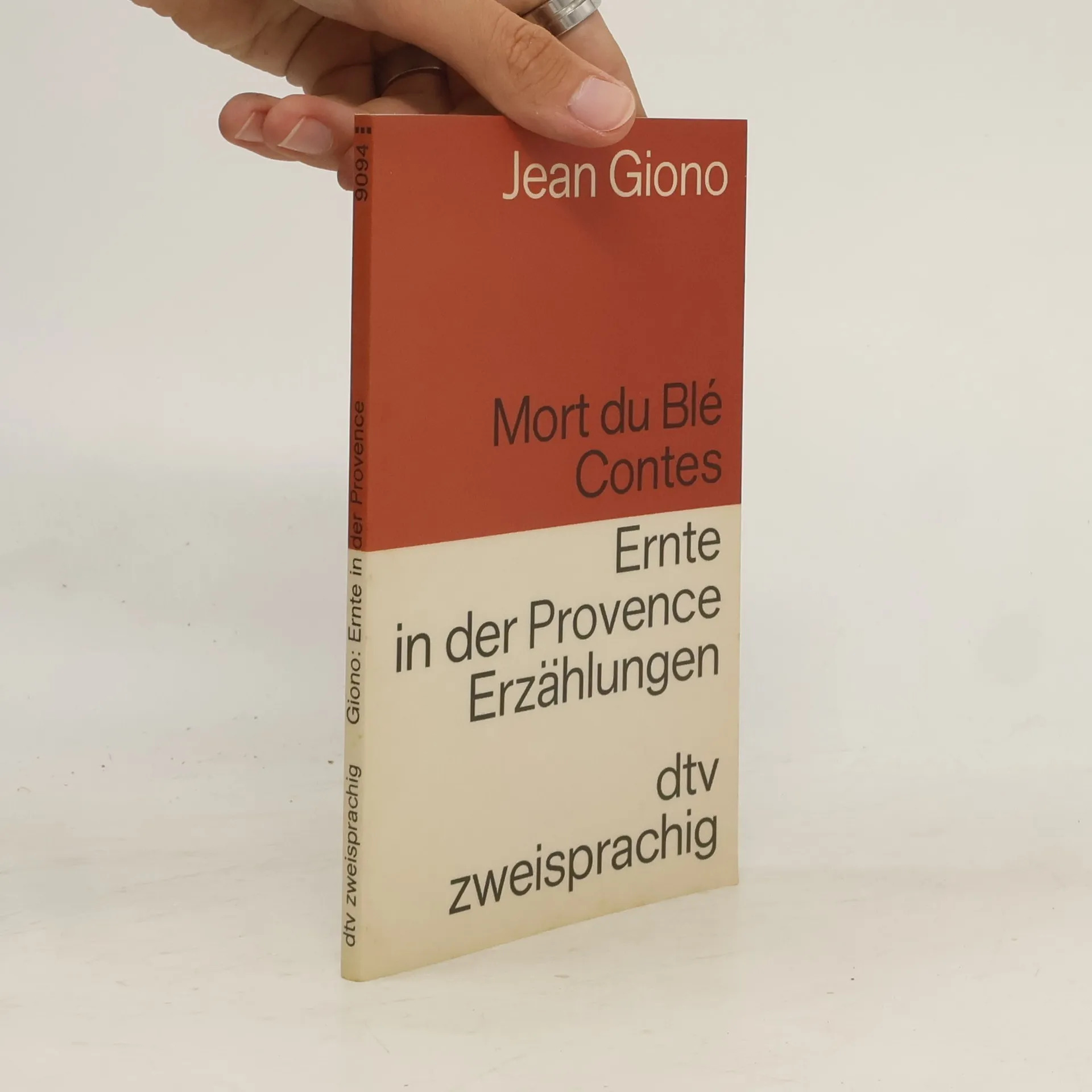
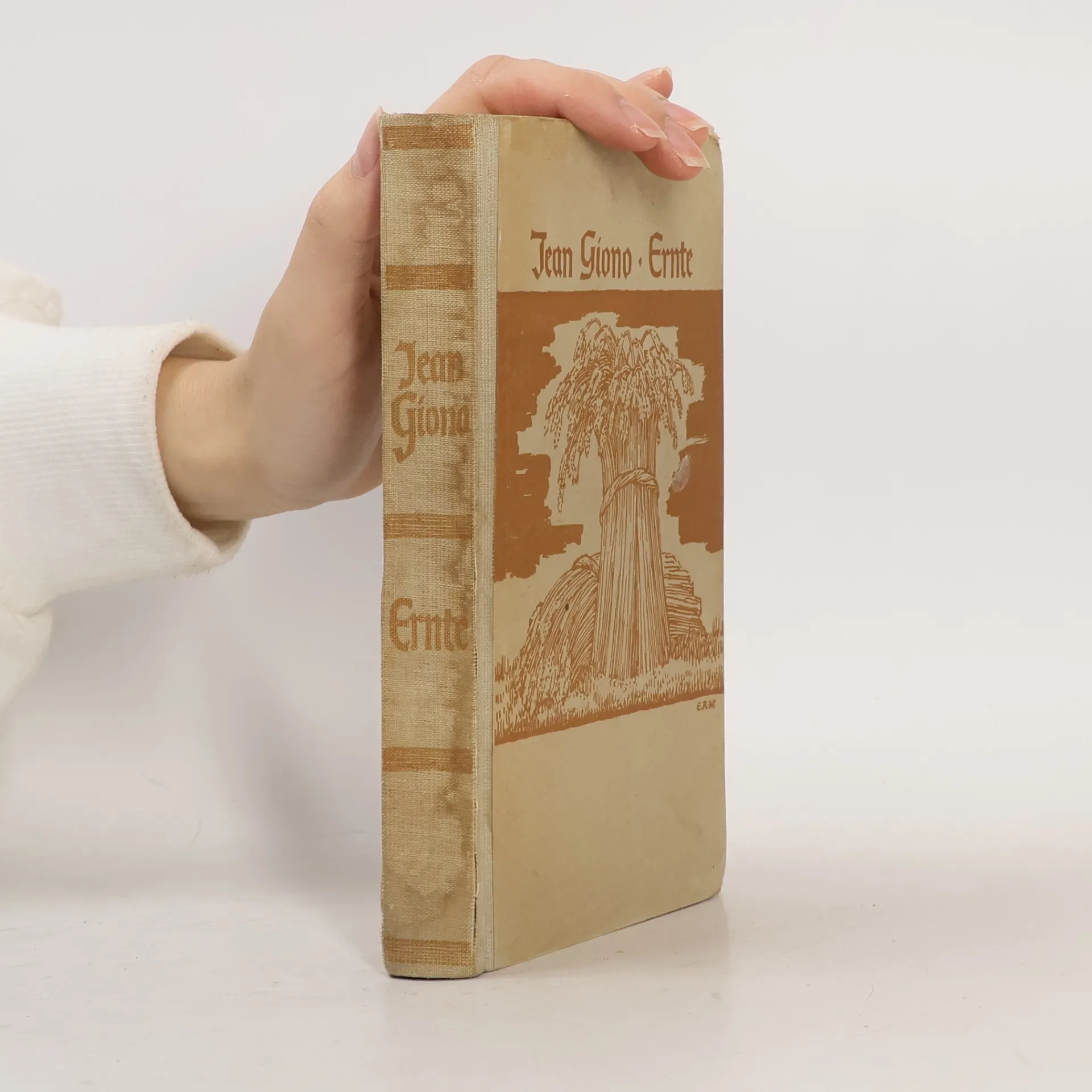
    Ernte
    • 2024

      Fragments of a Paradise

      • 215 Seiten
      • 8 Lesestunden

      Set against the backdrop of World War II, a crew aboard the ship L'Indien embarks on a profound maritime journey, seeking solace from a chaotic civilization. As they navigate the sea, the narrative intertwines their spiritual quest with the mysteries of the ocean and their introspective dialogues. The Captain's rejection of modernity highlights their desire for a deeper purpose, making this tale an allegorical critique of war and society. Giono's lyrical prose invites readers to explore both the external world and the inner self, offering a poignant escape from reality.
      Fragments of a Paradise
    • 2021

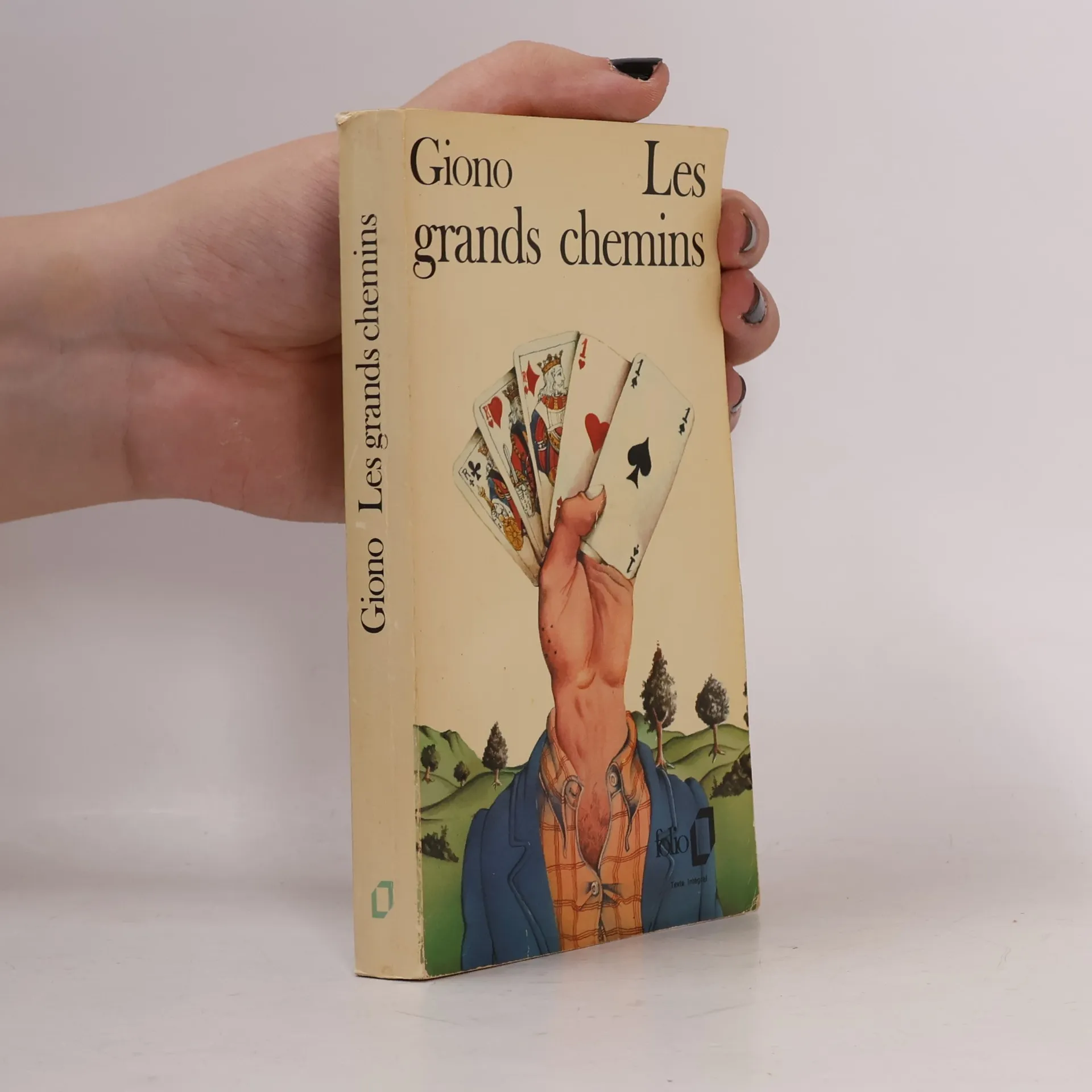
      A nomad and a swindler embark on an eccentric road trip in this picaresque, philosophical novel by the author of The Man Who Planted Trees. The south of France, 1950: A solitary vagabond walks through the villages, towns, valleys, and foothills of the region between northern Provence and the Alps. He picks up work along the way and spends the winter as the custodian of a walnut-oil mill. He also picks up a problematic companion: a cardsharp and con man, whom he calls “the Artist.” The action moves from place to place, and episode to episode, in truly picaresque fashion. Everything is told in the first person, present tense, by the vagabond narrator, who goes unnamed. He himself is a curious combination of qualities—poetic, resentful, cynical, compassionate, flirtatious, and self-absorbed. While The Open Road can be read as loosely strung entertainment, interspersed with caustic reflections, it can also be interpreted as a projection of the relationship of author, art, and audience. But it is ultimately an exploration of the tensions and boundaries between affection and commitment, and of the competing needs for solitude, independence, and human bonds. As always in Jean Giono, the language is rich in natural imagery and as ruggedly idiomatic as it is lyrical.

      The Open Road
    • 2020

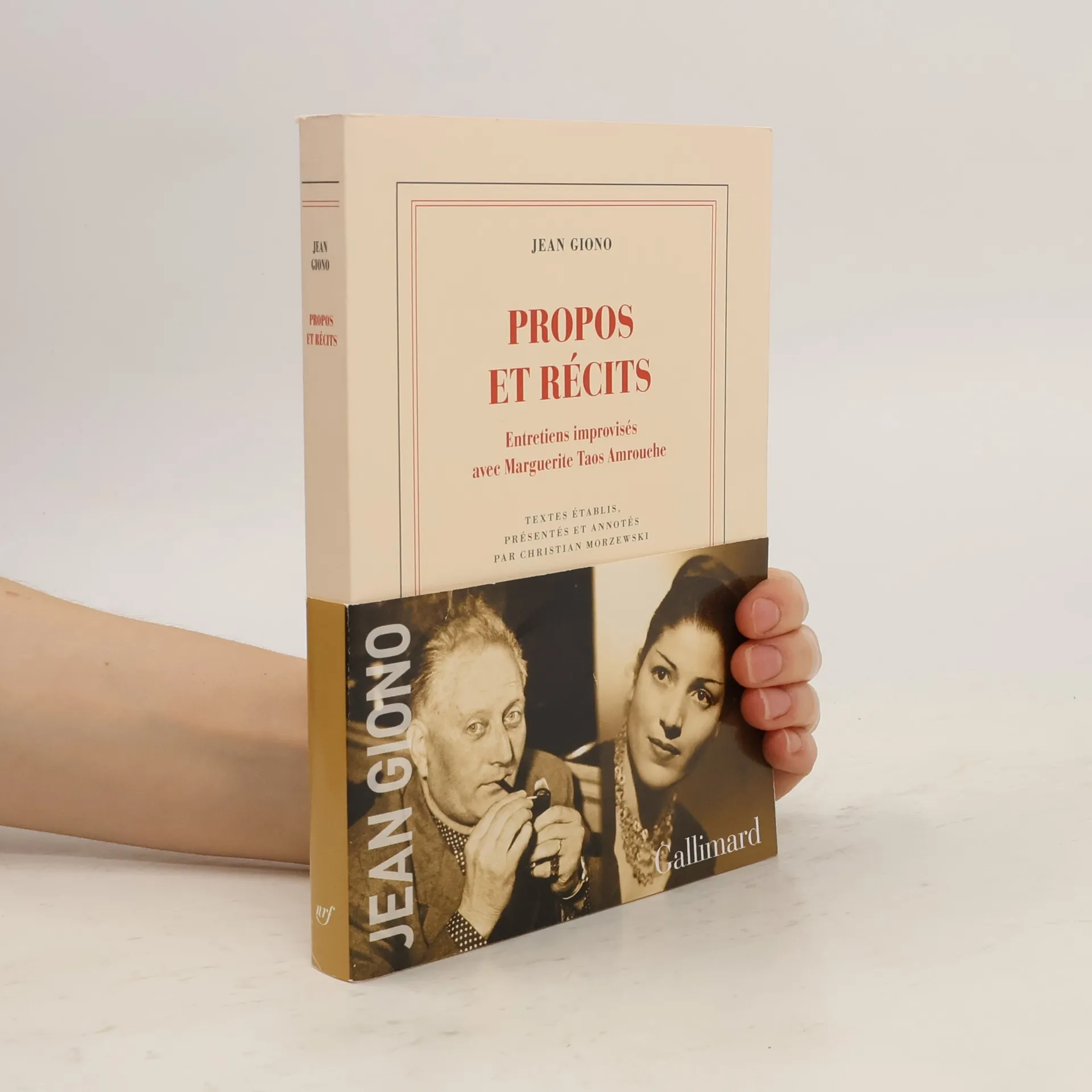
      Propos et récits

      Entretiens improvisés avec Marguerite Taos Amrouche

      • 208 Seiten
      • 8 Lesestunden

      Taos Amrouche est reçue au cours de l’automne 1954 par Jean Giono pour une série d’entretiens radiophoniques. En ouverture, elle dit son projet très simplement : « Je suis là pour vous demander de nous raconter librement vos souvenirs et aussi ces histoires que vous improvisez pour tous ceux qui ont le privilège de vous entendre, le soir, quand vous fumez votre petite pipe. »À la lecture de ces Propos et récits, on constate que Giono a réellement construit, au cours de ces entretiens, un ensemble très structuré de souvenirs, de portraits, d’anecdotes qui ont fourni la matière de plusieurs de ses romans et nouvelles, en particulier dans le « cycle du Hussard », auquel il travaille à l’époque.Ici se déploient donc tous les talents de Jean Giono conteur, dans cette langue généreuse et pittoresque, pour le plus grand plaisir de son interlocutrice et de ses lecteurs.Ces entretiens constituent aussi un document littéraire, témoin de la construction et de l’évolution de l’œuvre de Jean Giono.

      Propos et récits
    • 2020

      Occupation Journal

      • 200 Seiten
      • 7 Lesestunden
      3,9(20)Abgeben

      A captivating literary and historical record, Jean Giono's Occupation Journal offers a glimpse into life in collaborationist France during the Second World War, as seen through the eyes and thoughts of one of France's greatest and most independent writers.Written during the years of France's occupation by the Nazis, Jean Giono's Occupation Journal reveals the inner workings of one of France's great literary minds during one of the country's darkest hours. A renowned writer and committed pacifist throughout the 1930s--a conviction that resulted in his imprisonment before and after the Occupation--Giono spent the war in the village of Contadour in Provence, where he wrote, corresponded with other writers, and cared for his consumptive daughter. This journal records his musings on art and literature, his observations of life, his interactions with the machinery of the collaborationist Vichy regime, as well as his forceful political convictions. Giono recounts the details of his life with fierce independence of thought and novelistic attention to character and dialogue. Occupation Journal is a fascinating historical document as well as a unique window into one of French literature's most voracious and critical minds.

      Occupation Journal
    • 2020

      La collection Connaître une oeuvre vous offre la possibilité de tout savoir du roman Un roi sans divertissement de Jean Giono grâce à une fiche de lecture aussi complète que détaillée. La rédaction, claire et accessible, a été confiée à un spécialiste universitaire. Cette fiche de lecture répond à une charte qualité mise en place par une équipe d'enseignants. Ce livre contient la biographie de Jean Giono, la présentation du roman, le résumé détaillé, les raisons du succès, les thèmes principaux et l'étude du mouvement littéraire de l'auteur.

      Fiche de lecture Un roi sans divertissement de Jean Giono (Analyse littéraire de référence et résumé complet)
    • 2015

      Henri Duchemin And His Shadows

      • 143 Seiten
      • 6 Lesestunden
      3,7(198)Abgeben

      An NYRB Classics Original Emmanuel Bove was one of the most original writers to come out of twentieth-century France and a popular success in his day. Discovered by Colette, who arranged for the publication of his first novel, My Friends, Bove enjoyed a busy literary career, until the German occupation silenced him. During his lifetime, his novels and stories were admired by Rilke, the surrealists, Camus, and Beckett, who said of him that “more than anyone else he has an instinct for the essential detail.” Henry Duchemin and His Shadows is the ideal introduction to Bove’s world, with its cast of stubborn isolatoes who call to mind Melville’s Bartleby, Walser’s “little men,” and Rhys’s lost women. Henri Duchemin, the protagonist of the collection’s first story, “Night Crime,” is ambivalent, afraid of appearing ridiculous, desperate for money: in other words, the perfect prey. Criminals, beautiful women, and profiteers threaten the sad young men of Bove’s stories, but worse yet are the interior voices and paranoia that propel them to their fates. The poet of the flophouse and the dive, the park bench and the pigeon’s crumb, Bove is also a deeply empathetic writer for whom no defeat is so great as to silence desire.

      Henri Duchemin And His Shadows
    • 2014

      Niveau B2 (GER) 5./6. Lernjahr Ein einfacher Schäfer beginnt, in der kargen Landschaft der Haute-Provence Bäume zu pflanzen. Dies wird zu seiner Lebensaufgabe und führt zum Wachstum von Wäldern als Grundlage für vielfältiges Leben. Die Erzählung von Jean Giono bietet Einblicke in die Zusammenhänge von Entwicklungen in der Natur und dem Einfluss der Menschen. In einer modernen Lesart liefert sie ein Plädoyer für den Schutz der Natur und einen Aufruf zu ökologischem Denken und Handeln. Neben der ausführlich annotierten Erzählung enthält der Band Aufgabenstellungen und weitere Materialien zum Thema Provence, Wald und Umweltschutz.

      L' homme qui plantait des arbres
    • 2013

      Hill

      • 144 Seiten
      • 6 Lesestunden
      3,9(546)Abgeben

      Set against the backdrop of New York City, this NYRB Classics Original explores the intricacies of human relationships and the complexities of urban life. Through vivid storytelling and rich character development, the narrative delves into themes of love, loss, and the search for identity. The author masterfully captures the essence of the city, making it a character in its own right, while also addressing broader social issues. This work promises to engage readers with its thought-provoking insights and emotional depth.

      Hill
    • 2013

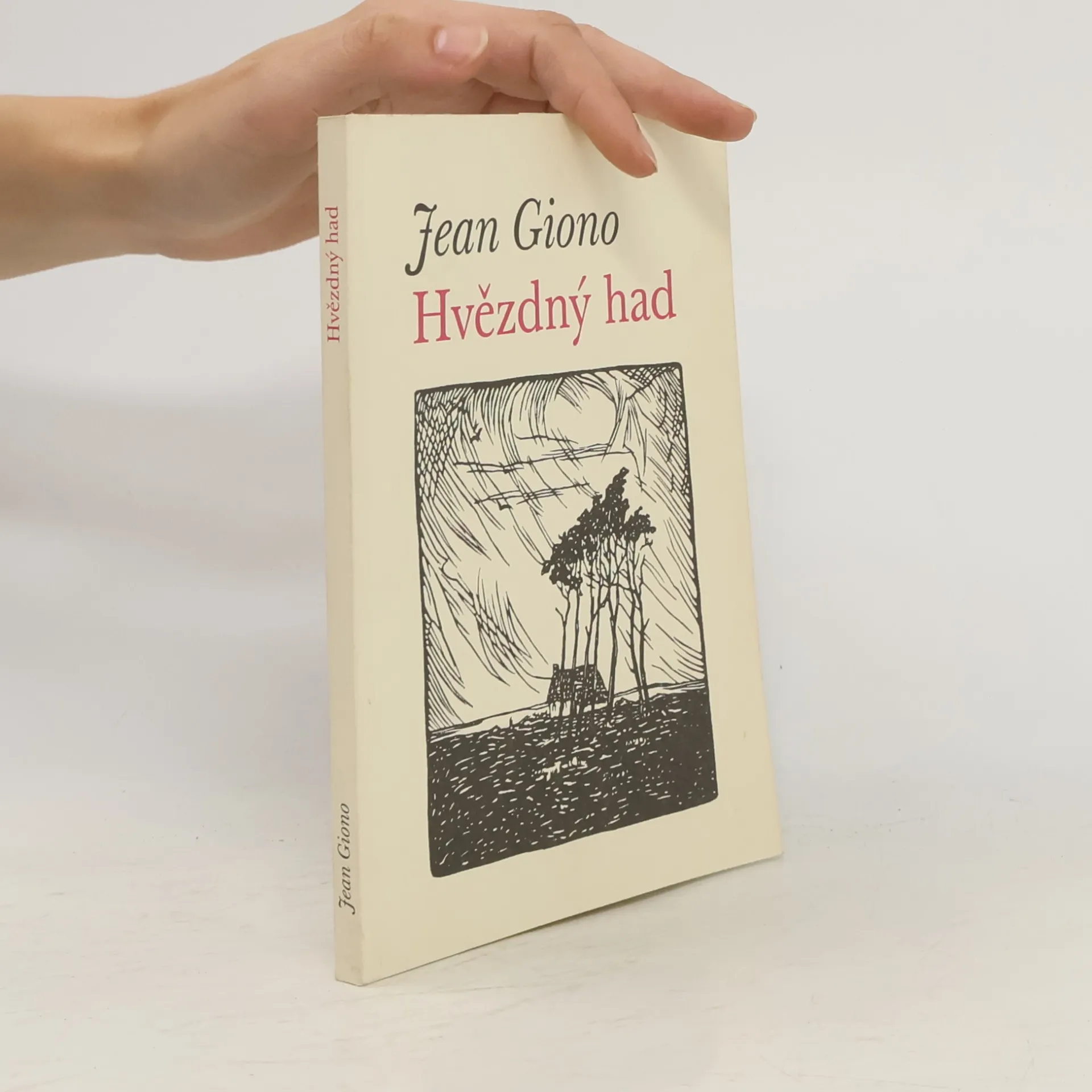
      V díle Hvězdný had jsme svědky neobvyklého iniciačního představení, kde mezi „dvěma sty lidmi a sto tisíci zvířaty“ řídí jistý Sardiňan, „porodník obrazů“ a „rozhazovač vizí“, epické drama, kde každý z devíti dalších pastýřů ztělesňuje jeden z elementárních prvků pastýřské obraznosti: Moře, Horu, Řeku, Strom, Vítr atd. Jsme svědky mysteriózní opery pod širým nebem, jejíž zvláštnost a esoterismus jsou zvýrazněny metaforickým psaním autora.

      Hvězdný had
    • 2010

      Joy of Man's Desiring

      • 472 Seiten
      • 17 Lesestunden
      4,2(17)Abgeben

      Exploring the contrast between peasant and philosophical civilizations, the book emphasizes the inherent human qualities found in peasant life, which are often sought after but ultimately lost by more advanced cultures. Through this lens, it reflects on the value of simplicity, connection to nature, and the richness of everyday experiences that define peasant existence, suggesting that these qualities are vital to understanding humanity itself. The work invites readers to reconsider what it means to live authentically and meaningfully.

      Joy of Man's Desiring