

Das Buch ist derzeit nicht auf Lager
Parameter
- 254 Seiten
- 9 Lesestunden
Mehr zum Buch
Nietzsche's work challenges the foundations of Western philosophy by rejecting traditional concepts of truth, morality, and divinity. He critiques the Christian worldview as rooted in false piety and a 'slave morality,' advocating instead for a philosophy that embraces individualism and the 'will to power.' Through sharp wit and vigorous prose, he encourages readers to celebrate the present and assert their own values, marking a significant departure from conventional thought.


Publikation
- 2024

- 2024
- 2023
- 2023
- 2023
- 2023
- 2023
- 2023
- 2023
- 2023
- 2023
- 2023

- 2022
- 2022
- 2022
- 2022
- 2022
- 2022
- 2022
- 2021
- 2021
- 2021
- 2021
- 2021
- 2021
- 2021
- 2021

- 2020
- 2020
- 2020
- 2020
- 2020
- 2020
- 2020
- 2020
- 2020
- 2020
- 2020
- 2020
- 2020
- 2020
- 2020
- 2020
- 2020
- 2020
- 2020

- 2019
- 2019
- 2019
- 2019
- 2019


- 2018
- 2018
- 2018
- 2018
- 2018
- 2018
- 2018
- 2018
- 2018
- 2018
- 2017
- 2017
- 2017
- 2017
- 2016

- 2013
- 2012
- 2010
- 2009
- 2009

- 2008
- 2008
- 2008
- 2008
- 2007
- 2007
- 2006
- 2005
- 2005
- 2004
- 2004







Buchkauf
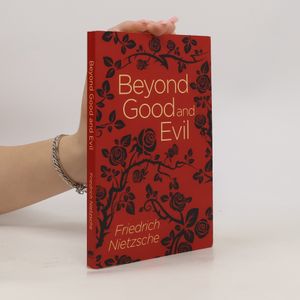
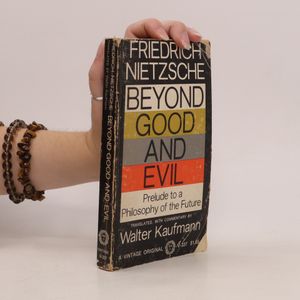
Beyond Good and Evil, Friedrich Nietzsche
- Sprache

- Erscheinungsdatum
- 2022
Wir benachrichtigen dich per E-Mail.
Hier könnte deine Bewertung stehen.
- Titel
- Beyond Good and Evil
- Sprache
- Englisch
- Autor*innen
- Friedrich Nietzsche
- Verlag
- Culturea
- Erscheinungsdatum
- 2022
- Seitenzahl
- 254
- ISBN13
- 9791041940431
- Reihe
- Schlagwörter
- Sachbücher, Sozialwissenschaften, Wahre Geschichten, Psychologische Thematik, Philosophisches Thema, Deutsche Literatur, Meinungsjournalismus, 19. Jahrhundert
- Erstveröffentlichung
- 1886
- Originaltitel
- Jenseits von Gut und Böse
- Bewertung
- 4,25 von 5 Sternen
- Beschreibung
- Nietzsche's work challenges the foundations of Western philosophy by rejecting traditional concepts of truth, morality, and divinity. He critiques the Christian worldview as rooted in false piety and a 'slave morality,' advocating instead for a philosophy that embraces individualism and the 'will to power.' Through sharp wit and vigorous prose, he encourages readers to celebrate the present and assert their own values, marking a significant departure from conventional thought.