

Das Buch ist derzeit nicht auf Lager
Parameter
- 148 Seiten
- 6 Lesestunden
Mehr zum Buch
Nietzsche critiques past philosophers for their uncritical acceptance of Christian moral premises, advocating for a departure from traditional morality. He proposes an affirmative approach that embraces the subjective nature of knowledge and acknowledges the challenges faced by modern individuals. This work encourages readers to confront and transcend conventional notions of good and evil, emphasizing a more nuanced understanding of morality.


Publikation
- 2024

- 2024
- 2023
- 2023
- 2023
- 2023
- 2023
- 2023
- 2023
- 2023
- 2023
- 2023

- 2022
- 2022
- 2022
- 2022
- 2022
- 2022
- 2022
- 2021
- 2021
- 2021
- 2021
- 2021
- 2021
- 2021
- 2021

- 2020
- 2020
- 2020
- 2020
- 2020
- 2020
- 2020
- 2020
- 2020
- 2020
- 2020
- 2020
- 2020
- 2020
- 2020
- 2020
- 2020
- 2020
- 2020

- 2019
- 2019
- 2019
- 2019
- 2019


- 2018
- 2018
- 2018
- 2018
- 2018
- 2018
- 2018
- 2018
- 2018
- 2018
- 2017
- 2017
- 2017
- 2017
- 2016

- 2013
- 2012
- 2010
- 2009
- 2009

- 2008
- 2008
- 2008
- 2008
- 2007
- 2007
- 2006
- 2005
- 2005
- 2004
- 2004







Buchkauf
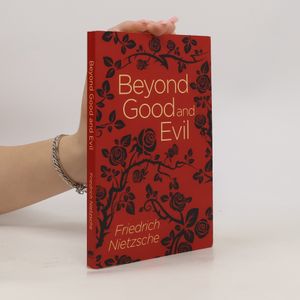
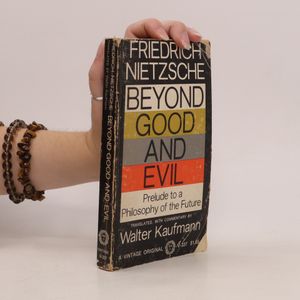
Beyond Good and Evil, Friedrich Nietzsche
- Sprache

- Erscheinungsdatum
- 2008
Wir benachrichtigen dich per E-Mail.
Hier könnte deine Bewertung stehen.
- Titel
- Beyond Good and Evil
- Sprache
- Englisch
- Autor*innen
- Friedrich Nietzsche
- Verlag
- Wilder Publications
- Erscheinungsdatum
- 2008
- Seitenzahl
- 148
- ISBN13
- 9781604593228
- Reihe
- Schlagwörter
- Sachbücher, Sozialwissenschaften, Wahre Geschichten, Psychologische Thematik, Philosophisches Thema, Deutsche Literatur, Meinungsjournalismus, 19. Jahrhundert
- Erstveröffentlichung
- 1886
- Originaltitel
- Jenseits von Gut und Böse
- Bewertung
- 4,25 von 5 Sternen
- Beschreibung
- Nietzsche critiques past philosophers for their uncritical acceptance of Christian moral premises, advocating for a departure from traditional morality. He proposes an affirmative approach that embraces the subjective nature of knowledge and acknowledges the challenges faced by modern individuals. This work encourages readers to confront and transcend conventional notions of good and evil, emphasizing a more nuanced understanding of morality.