

Mehr zum Buch
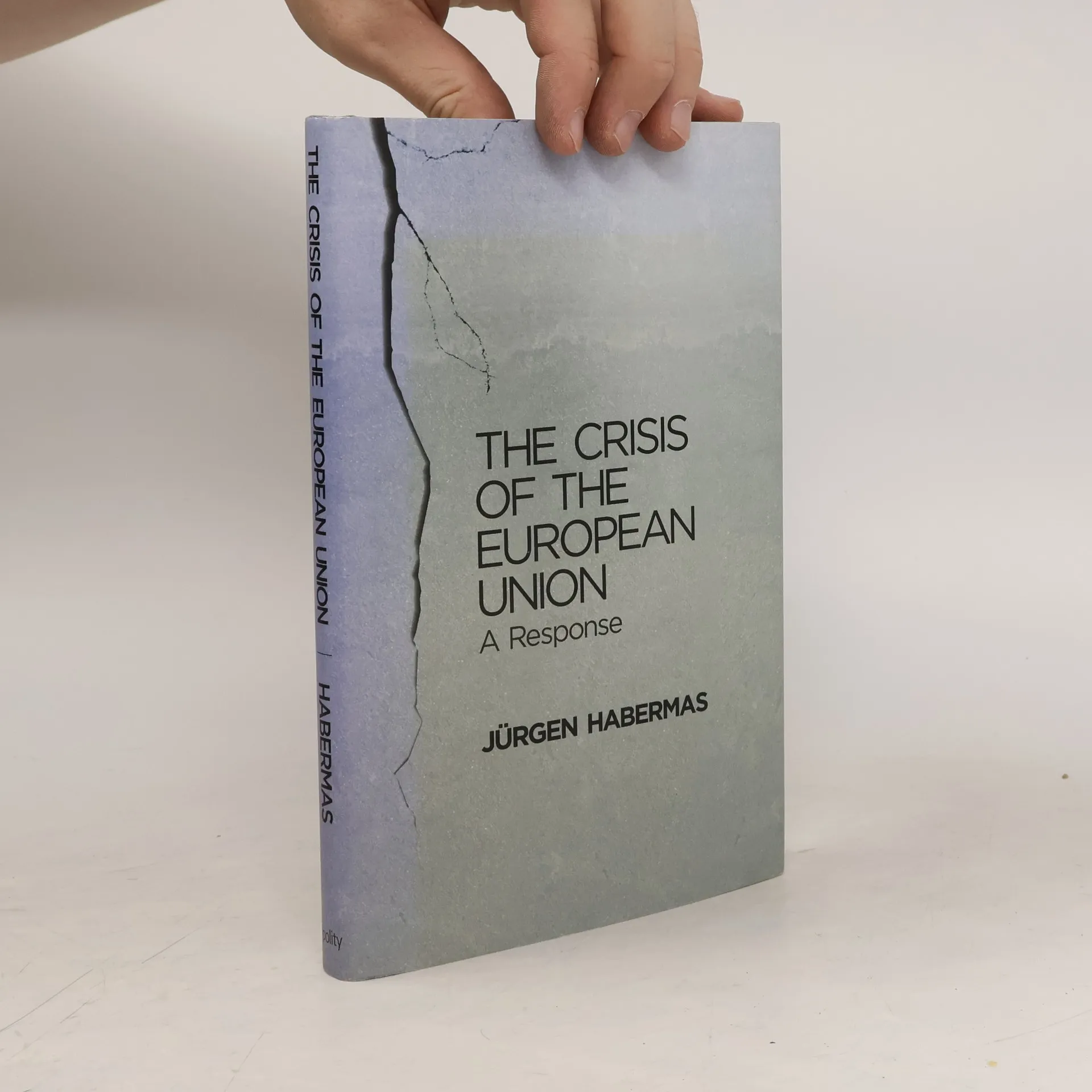
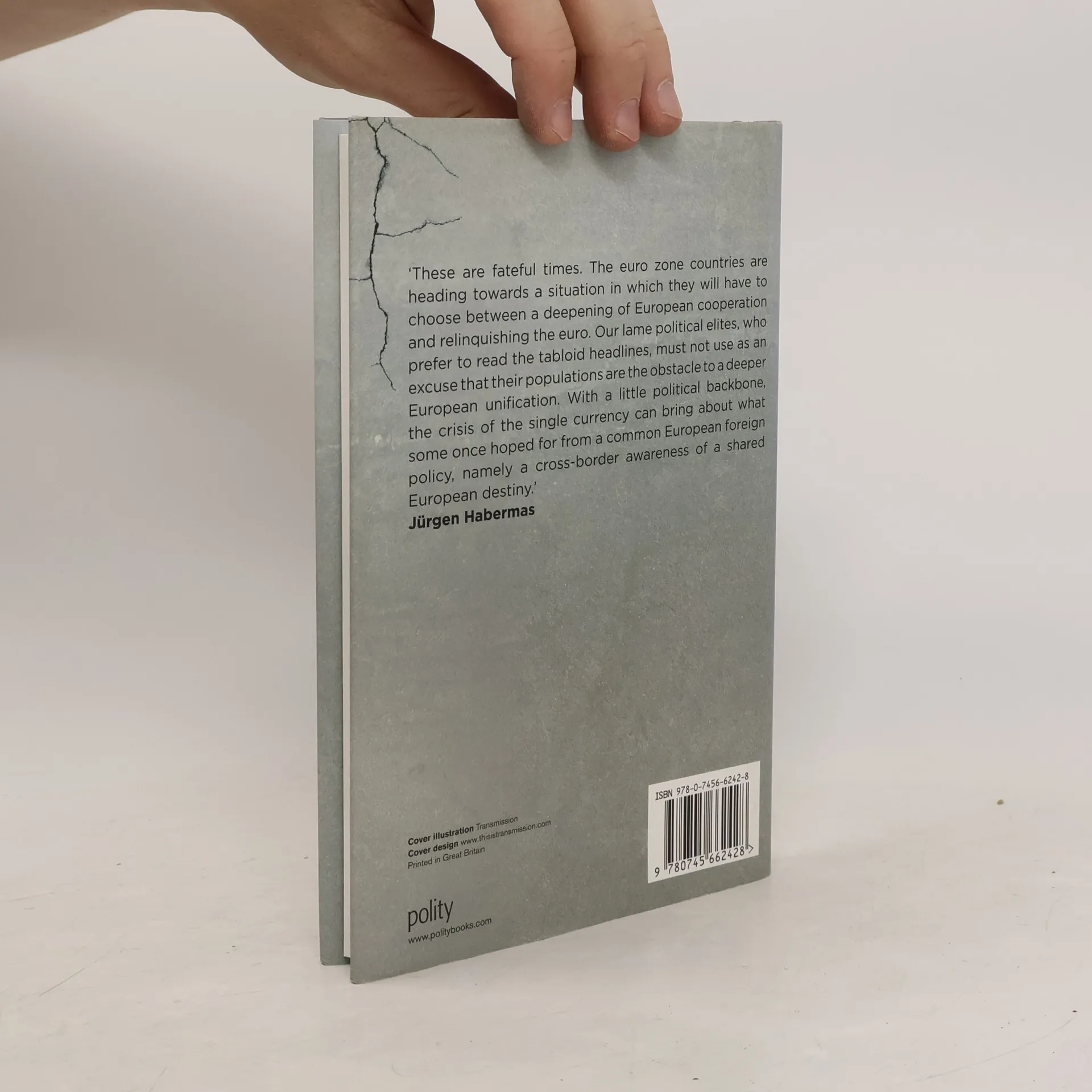
Extended essay on the constitution for Europe which represents the author's constructive engagement with the European project at a time when the crisis of the euro zone is threatening the very existence of the European Union. He addresses the growing realization that the European treaty needs to be revised in order to deal with the structural defects of monetary union, but a clear perspective for the future is missing. Using his analysis of European unification as a process in which international treaties have progressively taken on features of a democratic constitution, he explains why the current proposals to transform the system of European governance into one of executive federalism is a mistake. Europe must realize its democratic potential by evolving from an international into a cosmopolitan community. The concept of human dignity in the genealogy of human rights in the modern era throws further important light on the philosophical foundations of his argument and how democratic political institutions can be extended beyond the level of nation-state


Buchkauf
The crisis of the European Union, Jürgen Habermas
- Sprache

- Erscheinungsdatum
- 2012
- Einband
- (Hardcover)
Hier könnte deine Bewertung stehen.
- Titel
- The crisis of the European Union
- Sprache
- Englisch
- Autor*innen
- Jürgen Habermas
- Verlag
- Polity Press
- Erscheinungsdatum
- 2012
- Einband
- Hardcover
- Seitenzahl
- 140
- ISBN10
- 0745662420
- ISBN13
- 9780745662428
- Reihe
- Kategorien
- Schlagwörter
- Philosophisches Thema, Politik
- Originaltitel
- Zur Verfassung Europas
- Bewertung
- 3,25 von 5 Sternen
- Beschreibung
- Extended essay on the constitution for Europe which represents the author's constructive engagement with the European project at a time when the crisis of the euro zone is threatening the very existence of the European Union. He addresses the growing realization that the European treaty needs to be revised in order to deal with the structural defects of monetary union, but a clear perspective for the future is missing. Using his analysis of European unification as a process in which international treaties have progressively taken on features of a democratic constitution, he explains why the current proposals to transform the system of European governance into one of executive federalism is a mistake. Europe must realize its democratic potential by evolving from an international into a cosmopolitan community. The concept of human dignity in the genealogy of human rights in the modern era throws further important light on the philosophical foundations of his argument and how democratic political institutions can be extended beyond the level of nation-state