



Mehr zum Buch
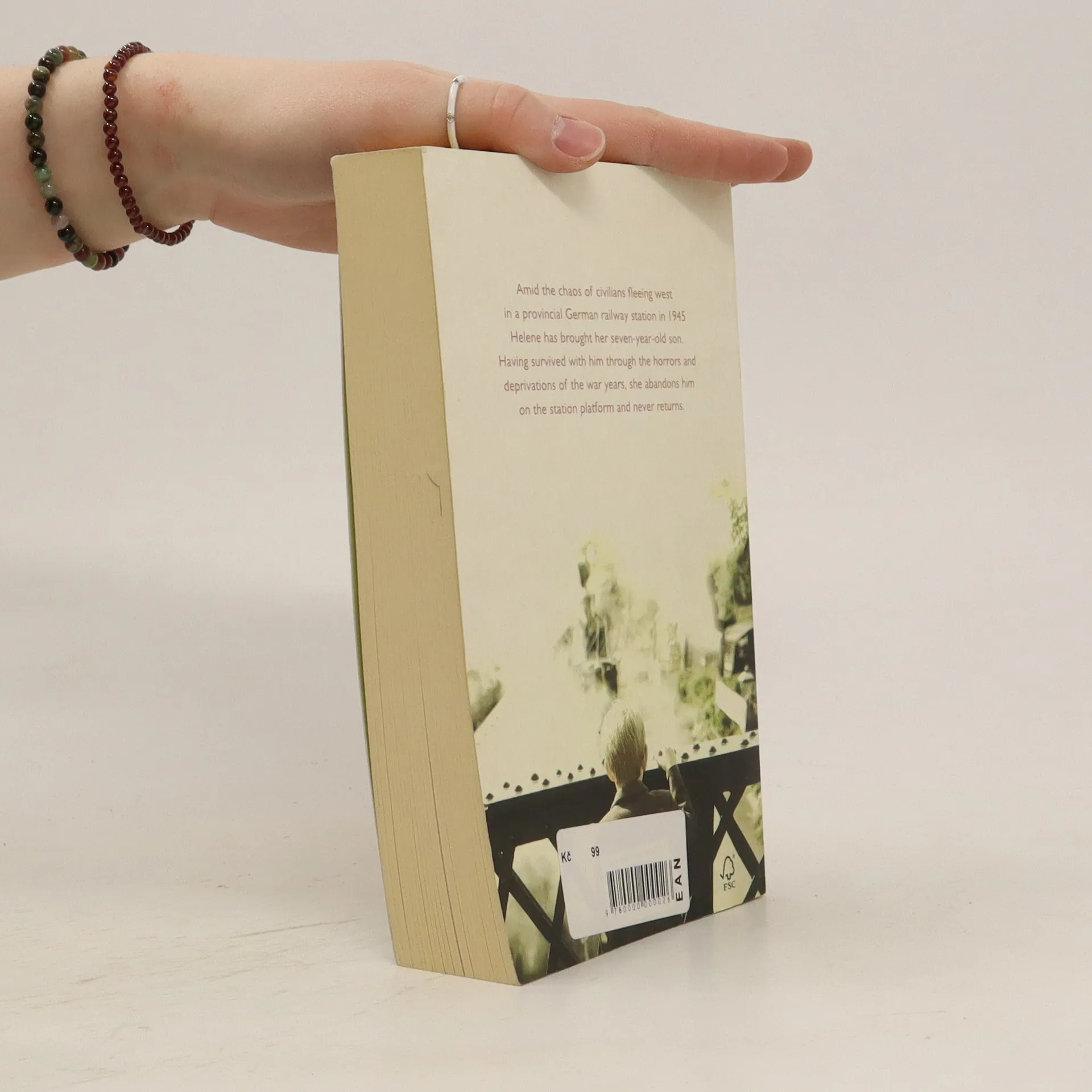
In a chaotic 1945 German railway station, Helene flees with her seven-year-old son but ultimately abandons him on the platform, never to return. Years earlier, her childhood in rural Germany is shattered by the First World War. With her father sent to the front and later dying, their Jewish mother retreats into mental confusion, which Helene describes as a "blindness of the heart." As their mother grows increasingly distant, Helene and her sister Martha move to Berlin in the early 1920s. Helene falls in love with Carl, but his untimely death leaves her feeling lost, prompting her to immerse herself in her nursing career. At a party, she meets Wilhelm, an ambitious civil engineer with dreams of building motorways for the Reich, and they marry. However, their relationship quickly deteriorates, and Helene finds herself in Stettin, where her son is born. Struggling to provide the love and closeness he needs, she contemplates disappearing. Ultimately, she makes a shocking decision. This narrative spans two World Wars, exploring themes of hope, loneliness, and love, while portraying a woman's life in tumultuous times. It serves as a powerful family saga and a vivid depiction of an era.




Buchkauf
The Blind Side of the Heart, Julia Franck
- Sprache

- Erscheinungsdatum
- 2009
- product-detail.submit-box.info.binding
- (Paperback)
Hier könnte deine Bewertung stehen.
- Sprache
- Englisch
- Autor*innen
- Julia Franck
- Verlag
- Harvill Secker
- Erscheinungsdatum
- 2009
- Einband
- Paperback
- Seitenzahl
- 424
- ISBN10
- 1846552125
- ISBN13
- 9781846552120
- Reihe
- Schlagwörter
- Belletristik, Historisches Thema, Historische Romane, Liebe, Familie, Deutsche Literatur, Deutschland, Kriegsliteratur, Kriege, Zweiter Weltkrieg, Berlin, Juden, Flucht, Hoffnung, Kindheit, Deutsche Demokratische Republik, Alleinsein, Drittes Reich (Nazi-Deutschland), 1933-1945, Nachkriegszeit, Geheimdienste, Faschismus, Weltkrieg, Deutsche, Stasi (Geheime Polizei und Nachrichtendienst der DDR), Lager, Mütter und Söhne
- Erstveröffentlichung
- 2007
- Originaltitel
- Die Mittagsfrau
- Bewertung
- 3,65 von 5 Sternen
- Beschreibung
- In a chaotic 1945 German railway station, Helene flees with her seven-year-old son but ultimately abandons him on the platform, never to return. Years earlier, her childhood in rural Germany is shattered by the First World War. With her father sent to the front and later dying, their Jewish mother retreats into mental confusion, which Helene describes as a "blindness of the heart." As their mother grows increasingly distant, Helene and her sister Martha move to Berlin in the early 1920s. Helene falls in love with Carl, but his untimely death leaves her feeling lost, prompting her to immerse herself in her nursing career. At a party, she meets Wilhelm, an ambitious civil engineer with dreams of building motorways for the Reich, and they marry. However, their relationship quickly deteriorates, and Helene finds herself in Stettin, where her son is born. Struggling to provide the love and closeness he needs, she contemplates disappearing. Ultimately, she makes a shocking decision. This narrative spans two World Wars, exploring themes of hope, loneliness, and love, while portraying a woman's life in tumultuous times. It serves as a powerful family saga and a vivid depiction of an era.