





Wenn man Lebensgeschichten mag und auch Entstehungsgeschichten und noch die nötige Geduld hat auch weiter zu lesen, dann liest man ein suuuper Buch.
Ausverkauft, aber heiß begehrt!
Buchbewertung
Parameter
- 352 Seiten
- 13 Lesestunden
Mehr zum Buch
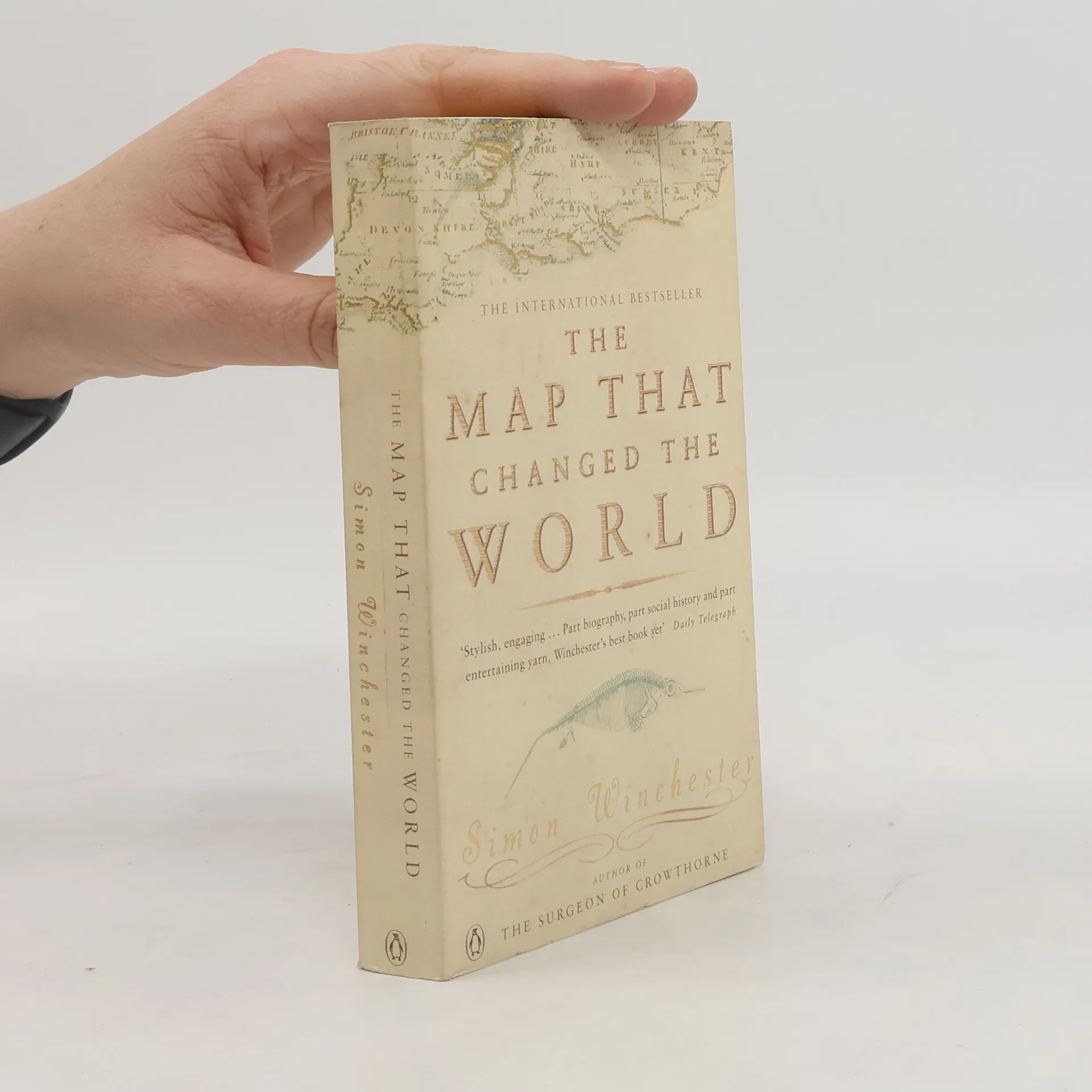
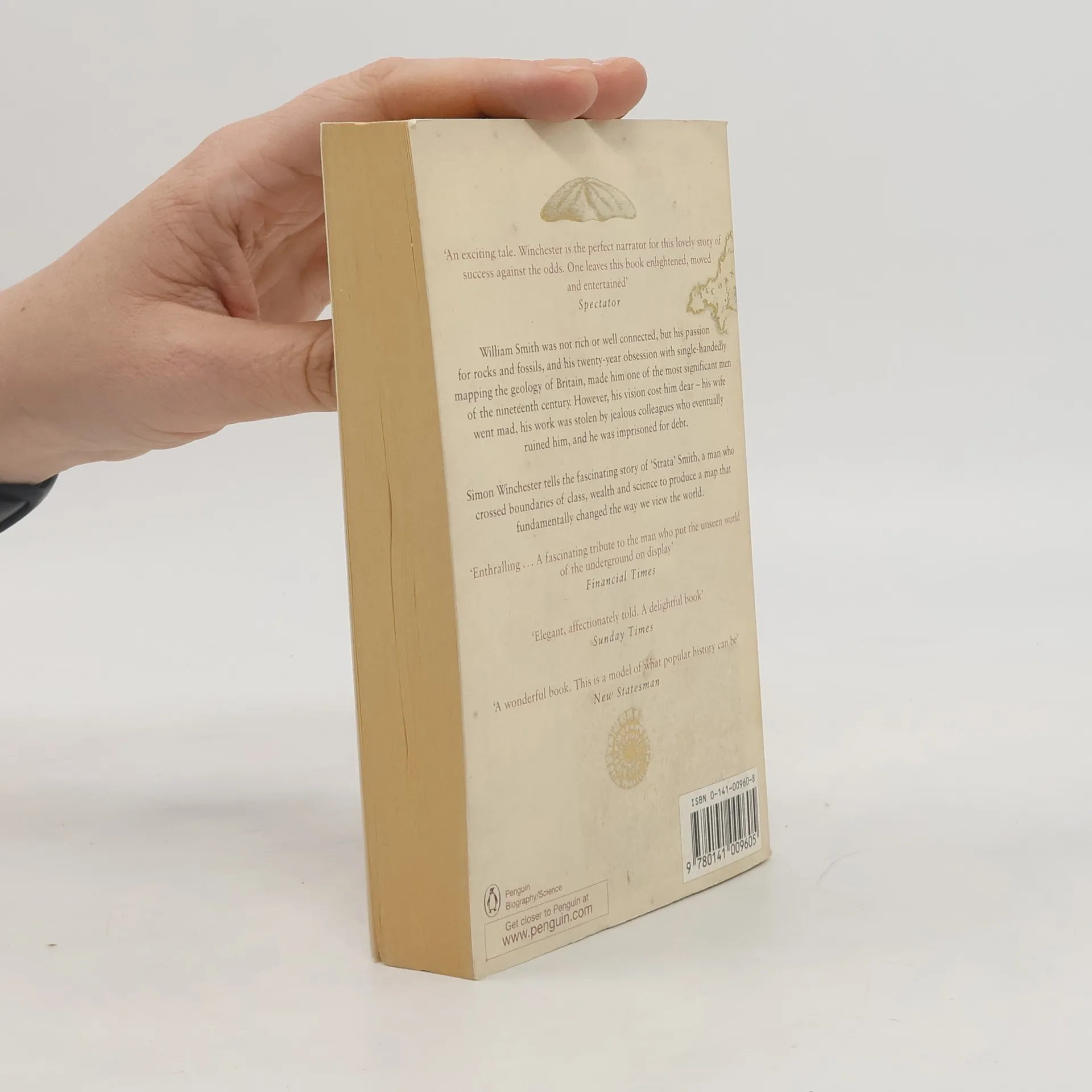
In 1793, a canal digger named William Smith made a startling discovery. He found that by tracing the placement of fossils, which he uncovered in his excavations, one could follow layers of rocks as they dipped and rose and fell--clear across England and, indeed, clear across the world--making it possible, for the first time ever, to draw a chart of the hidden underside of the earth. Smith spent twenty-two years piecing together the fragments of this unseen universe to create an epochal and remarkably beautiful hand-painted map. But instead of receiving accolades and honors, he ended up in debtors' prison, the victim of plagiarism, and virtually homeless for ten years more. The Map That Changed the World is a very human tale of endurance and achievement, of one man's dedication in the face of ruin. With a keen eye and thoughtful detail, Simon Winchester unfolds the poignant sacrifice behind this world-changing discovery.
Buchkauf
The Map That Changed the World, Simon Winchester
- Sprache

- Erscheinungsdatum
- 2002
- product-detail.submit-box.info.binding
- (Paperback)
Wir benachrichtigen dich per E-Mail.
- Untertitel
- The Tale of William Smith and the Birth of a Science
- Sprache
- Englisch
- Autor*innen
- Simon Winchester
- Verlag
- Penguin Books
- Erscheinungsdatum
- 2002
- Einband
- Paperback
- Seitenzahl
- 352
- ISBN10
- 0141009608
- ISBN13
- 9780141009605
- Reihe
- Schlagwörter
- Sachbücher, Historisches Thema, Karten & Reisen, Wahre Geschichten, Biografien, Wissenschaft & Mathematik, Wissenschaft, Karten & Atlanten, England, Geologie & Mineralogie, Geologie, Schicksale der Menschen, Wissenschaftler, Kartografie, Bergbau, Fossilien
- Erstveröffentlichung
- 2001
- Originaltitel
- The Map That Changed the World: William Smith and the Birth of Modern Geology
- Bewertung
- 3,85 von 5 Sternen
- Beschreibung
- In 1793, a canal digger named William Smith made a startling discovery. He found that by tracing the placement of fossils, which he uncovered in his excavations, one could follow layers of rocks as they dipped and rose and fell--clear across England and, indeed, clear across the world--making it possible, for the first time ever, to draw a chart of the hidden underside of the earth. Smith spent twenty-two years piecing together the fragments of this unseen universe to create an epochal and remarkably beautiful hand-painted map. But instead of receiving accolades and honors, he ended up in debtors' prison, the victim of plagiarism, and virtually homeless for ten years more. The Map That Changed the World is a very human tale of endurance and achievement, of one man's dedication in the face of ruin. With a keen eye and thoughtful detail, Simon Winchester unfolds the poignant sacrifice behind this world-changing discovery.