



Parameter
- 308 Seiten
- 11 Lesestunden
Mehr zum Buch
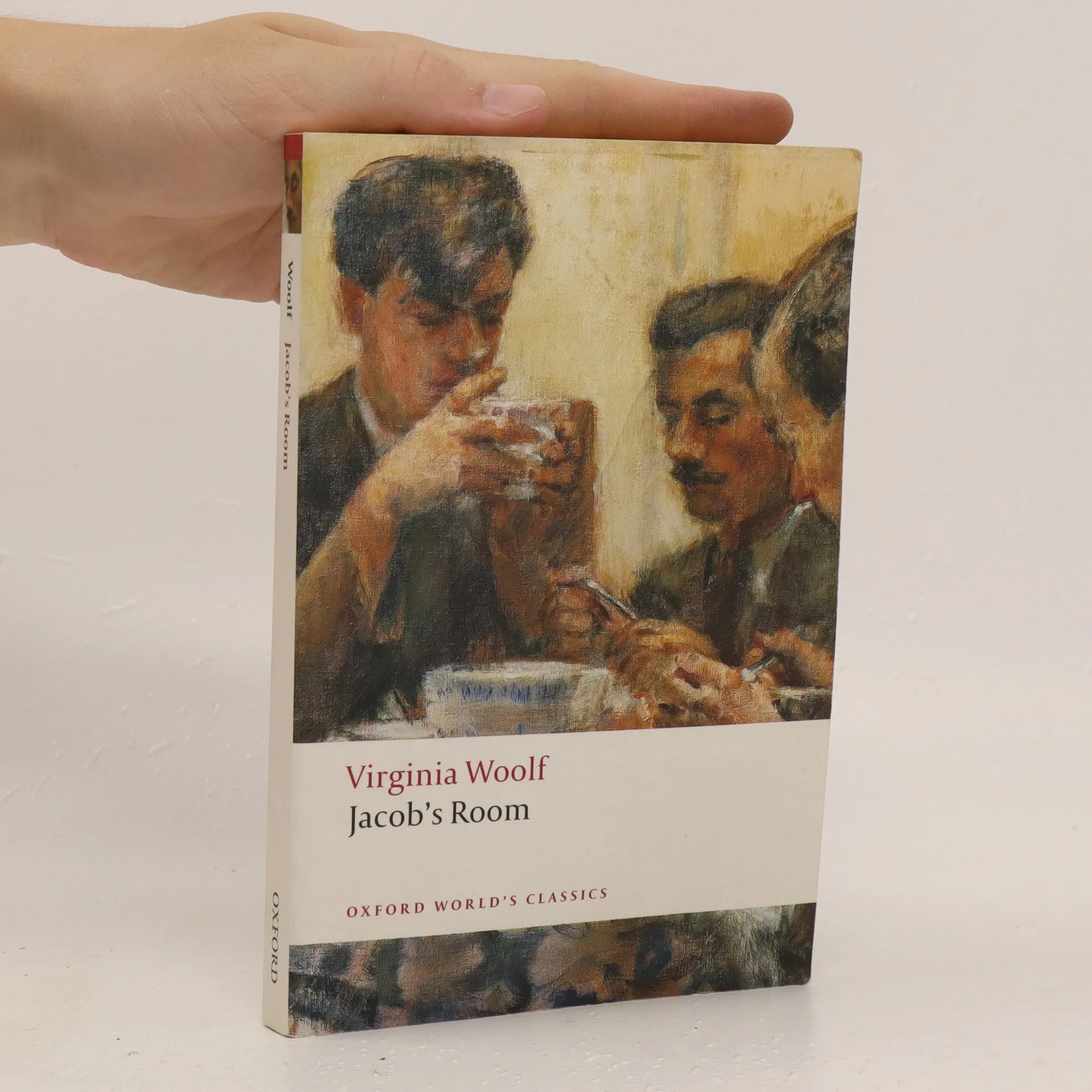
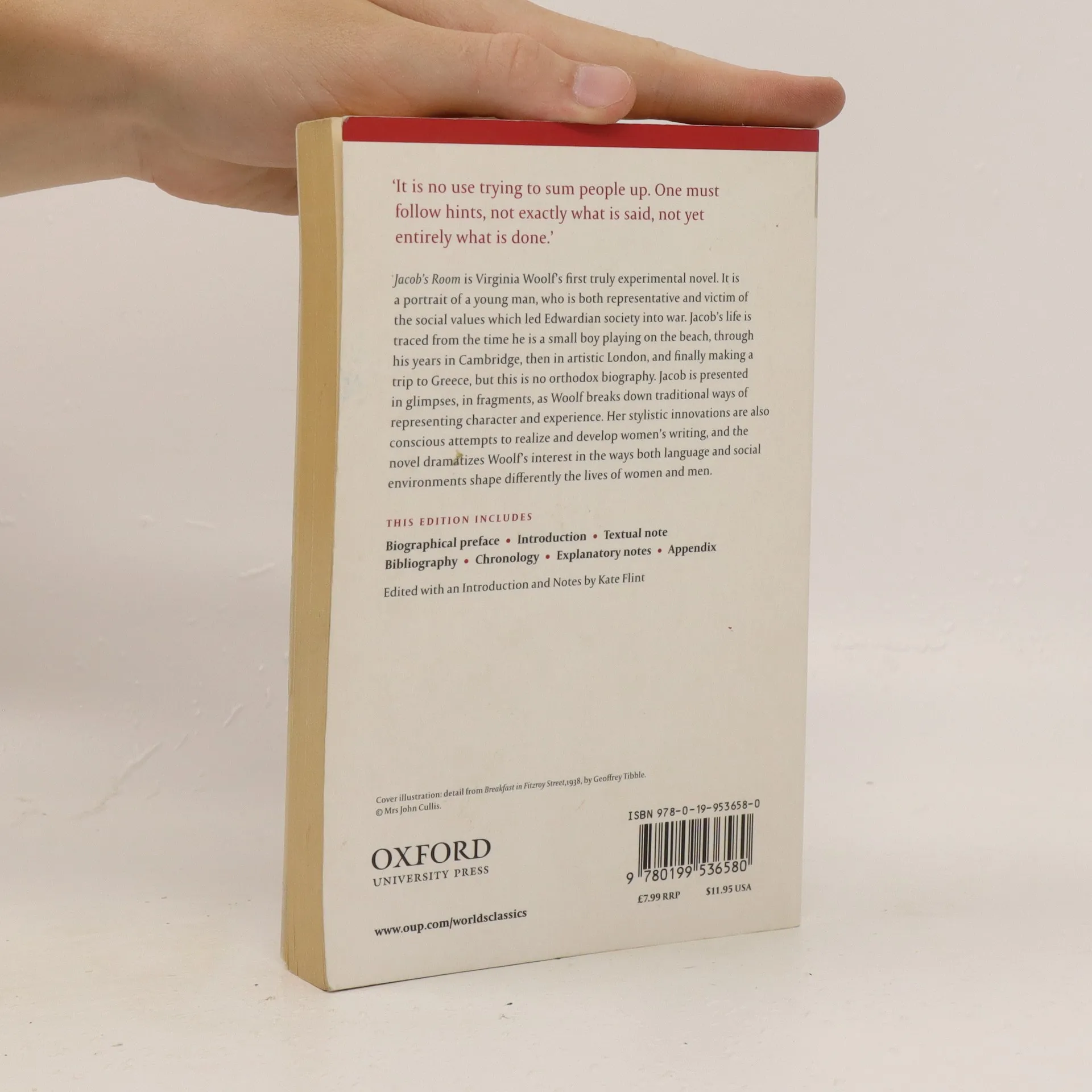
Jacob's Room is Virginia Woolf's first truly experimental novel. It is a portrait of a young man, who is both representative and victim of the social values which led Edwardian society into war. Jacob's life is traced from the time he is a small boy playing on the beach, through his years in Cambridge, then in artistic London, and finally making a trip to Greece, but this is no orthodox Bildungsroman. Jacob is presented in glimpses, in fragments, as Woolf breaks down traditional ways of representing character and experience. The novel's composition coincided with the consolidation of Woolf's interest in feminism, and she criticizes the privileged thoughtless smugness of patriarchy, `the other side', `the men in clubs and Cabinets'. Her stylistic innovations are conscious attempts to realize and develop women's writing and the novel dramatizes her interest in the ways both language and social environments shape differently the lives of men and women.





Buchkauf
Jacob's room, Virginia Woolf
- Sprache

- Erscheinungsdatum
- 2008
Hier könnte deine Bewertung stehen.
- Titel
- Jacob's room
- Sprache
- Englisch
- Autor*innen
- Virginia Woolf
- Verlag
- Oxford University Press
- Erscheinungsdatum
- 2008
- Seitenzahl
- 308
- ISBN10
- 0199536589
- ISBN13
- 9780199536580
- Reihe
- Schlagwörter
- Belletristik, Literarische Fiktion, Großbritannien, Englische Literatur, London, Cornwall
- Erstveröffentlichung
- 1922
- Originaltitel
- Jacob's Room
- Bewertung
- 3,6 von 5 Sternen
- Beschreibung
- Jacob's Room is Virginia Woolf's first truly experimental novel. It is a portrait of a young man, who is both representative and victim of the social values which led Edwardian society into war. Jacob's life is traced from the time he is a small boy playing on the beach, through his years in Cambridge, then in artistic London, and finally making a trip to Greece, but this is no orthodox Bildungsroman. Jacob is presented in glimpses, in fragments, as Woolf breaks down traditional ways of representing character and experience. The novel's composition coincided with the consolidation of Woolf's interest in feminism, and she criticizes the privileged thoughtless smugness of patriarchy, `the other side', `the men in clubs and Cabinets'. Her stylistic innovations are conscious attempts to realize and develop women's writing and the novel dramatizes her interest in the ways both language and social environments shape differently the lives of men and women.