


Parameter
- 572 Seiten
- 21 Lesestunden
Mehr zum Buch
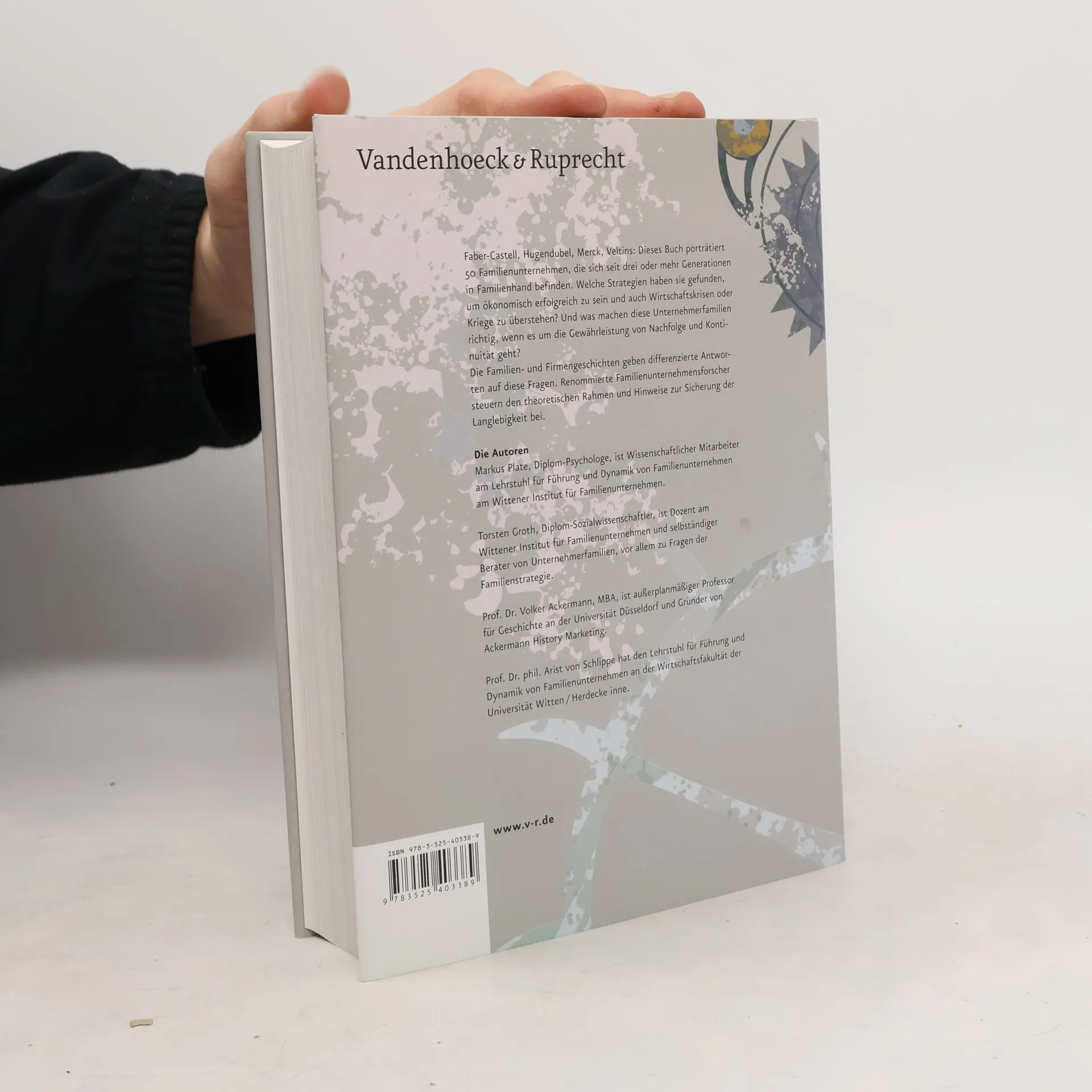
Family-run companies form an essential part of the German and international economy. They are financially successful and have in part been run by the family for many decades. Such survivability is as remarkable as the continuity they show since the path of such firms is littered with many hindrances. This volume addresses the question how such large and long-lived family businesses have been able to survive in part for over 100 years as successful economic entities and also as a family providing ever new successors. The introductory chapter describes the particular challenges that arise for both sides through the combination of family and company. Then the author presents 54 portraits of large German family-run businesses. The next chapter deals with the respective strategies behind these firms, also taking a look at the phenomena of “family governance” and family strategy. The final chapter is concerned with the importance of a family strategy and provides a practical orientation for family businesses for approaching this theme.
Buchkauf
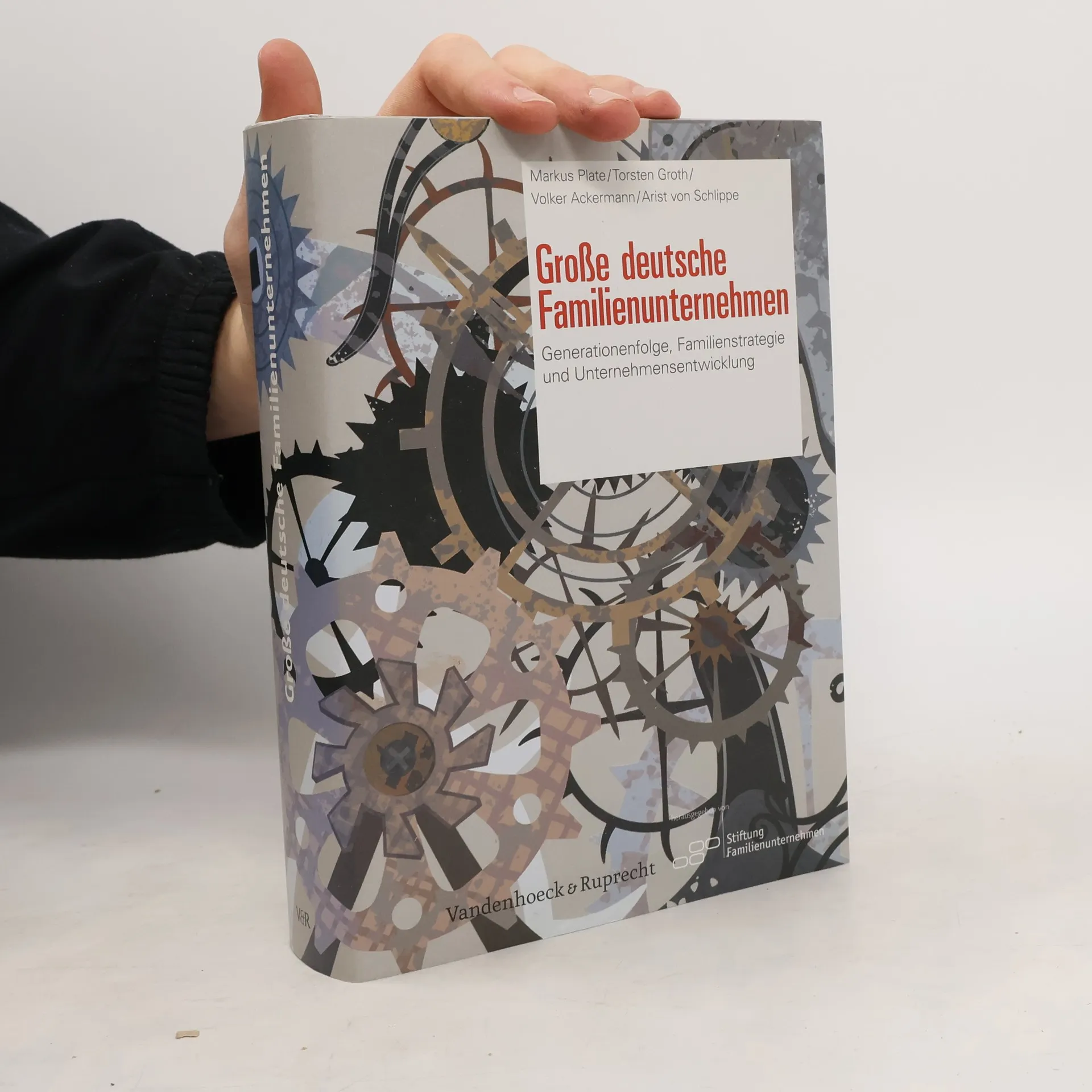
Große deutsche Familienunternehmen, Markus Plate, Torsten Groth, Volker Ackermann, Arist von Schlippe
- Sprache

- Erscheinungsdatum
- 2011
- Einband
- (Hardcover)
Keiner hat bisher bewertet.
- Titel
- Große deutsche Familienunternehmen
- Untertitel
- Generationenfolge, Familienstrategie und Unternehmensentwicklung
- Sprache
- Deutsch
- Autor*innen
- Markus Plate, Torsten Groth, Volker Ackermann, Arist von Schlippe
- Verlag
- Vandenhoeck & Ruprecht
- Erscheinungsdatum
- 2011
- Einband
- Hardcover
- Seitenzahl
- 572
- ISBN10
- 3525403380
- ISBN13
- 9783525403389
- Reihe
- Kategorien
- Schlagwörter
- Historisches Thema, Handel, Psychologische Thematik, Familie, Wirtschaftsgeschichte, Unternehmenskultur, Familienunternehmen, Krisenmanagement, Wettbewerbsfähigkeit
- Beschreibung
- Family-run companies form an essential part of the German and international economy. They are financially successful and have in part been run by the family for many decades. Such survivability is as remarkable as the continuity they show since the path of such firms is littered with many hindrances. This volume addresses the question how such large and long-lived family businesses have been able to survive in part for over 100 years as successful economic entities and also as a family providing ever new successors. The introductory chapter describes the particular challenges that arise for both sides through the combination of family and company. Then the author presents 54 portraits of large German family-run businesses. The next chapter deals with the respective strategies behind these firms, also taking a look at the phenomena of “family governance” and family strategy. The final chapter is concerned with the importance of a family strategy and provides a practical orientation for family businesses for approaching this theme.