

Das Buch ist derzeit nicht auf Lager
Parameter
- 128 Seiten
- 5 Lesestunden
Mehr zum Buch
Exploring the complexities of morality and philosophy, this work challenges traditional notions of good and evil. It delves into the nature of truth, the role of power in shaping beliefs, and the significance of individual perspectives. The author critiques established moral values and encourages readers to think critically about their own beliefs, making it a thought-provoking read for those interested in philosophical discourse and the human condition.


Publikation
- 2024

- 2024
- 2023
- 2023
- 2023
- 2023
- 2023
- 2023
- 2023
- 2023
- 2023
- 2023

- 2022
- 2022
- 2022
- 2022
- 2022
- 2022
- 2022
- 2021
- 2021
- 2021
- 2021
- 2021
- 2021
- 2021
- 2021

- 2020
- 2020
- 2020
- 2020
- 2020
- 2020
- 2020
- 2020
- 2020
- 2020
- 2020
- 2020
- 2020
- 2020
- 2020
- 2020
- 2020
- 2020
- 2020
- 2019
- 2019
- 2019
- 2019
- 2019


- 2018
- 2018
- 2018
- 2018
- 2018
- 2018
- 2018
- 2018
- 2018
- 2018
- 2017
- 2017
- 2017
- 2017
- 2016

- 2013
- 2012
- 2010
- 2009
- 2009
- 2008
- 2008
- 2008
- 2008
- 2007
- 2007
- 2006
- 2005
- 2005
- 2004
- 2004




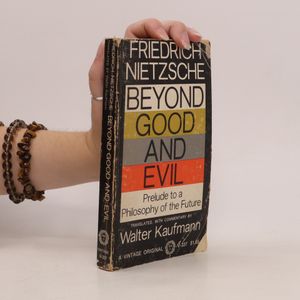


Buchkauf
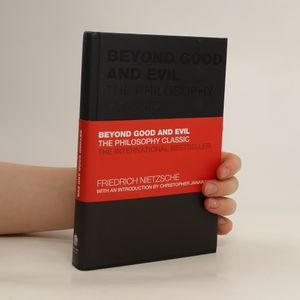
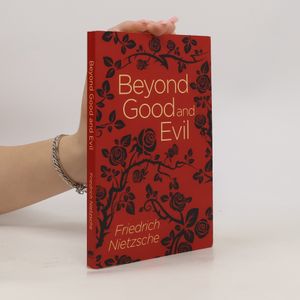
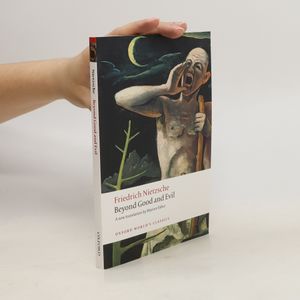
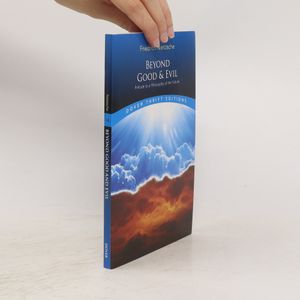
Beyond Good and Evil, Friedrich Nietzsche
- Sprache

- Erscheinungsdatum
- 2020
Wir benachrichtigen dich per E-Mail.
Hier könnte deine Bewertung stehen.
- Titel
- Beyond Good and Evil
- Sprache
- Englisch
- Autor*innen
- Friedrich Nietzsche
- Erscheinungsdatum
- 2020
- Seitenzahl
- 128
- ISBN13
- 9781800606173
- Reihe
- Schlagwörter
- Sachbücher, Sozialwissenschaften, Wahre Geschichten, Psychologische Thematik, Philosophisches Thema, Deutsche Literatur, Meinungsjournalismus, 19. Jahrhundert
- Erstveröffentlichung
- 1886
- Originaltitel
- Jenseits von Gut und Böse
- Bewertung
- 4,25 von 5 Sternen
- Beschreibung
- Exploring the complexities of morality and philosophy, this work challenges traditional notions of good and evil. It delves into the nature of truth, the role of power in shaping beliefs, and the significance of individual perspectives. The author critiques established moral values and encourages readers to think critically about their own beliefs, making it a thought-provoking read for those interested in philosophical discourse and the human condition.