

Das Buch ist derzeit nicht auf Lager
Parameter
- 160 Seiten
- 6 Lesestunden
Mehr zum Buch
Focusing on a critical examination of morality, Nietzsche challenges traditional philosophical views in this work. He argues that past thinkers have uncritically accepted dogmas, particularly the simplistic dichotomy of good versus evil. Instead, he proposes that these concepts are merely different expressions of the same underlying impulses. Moving "beyond good and evil," Nietzsche advocates for an affirmative approach that embraces the complexity of knowledge and the precarious state of modern existence, encouraging a fearless confrontation with these ideas.


Publikation
- 2024

- 2024
- 2023
- 2023
- 2023
- 2023
- 2023
- 2023
- 2023
- 2023
- 2023
- 2023

- 2022
- 2022
- 2022
- 2022
- 2022
- 2022
- 2022
- 2021
- 2021
- 2021
- 2021
- 2021
- 2021
- 2021
- 2021

- 2020
- 2020
- 2020
- 2020
- 2020
- 2020
- 2020
- 2020
- 2020
- 2020
- 2020
- 2020
- 2020
- 2020
- 2020
- 2020
- 2020
- 2020
- 2020

- 2019
- 2019
- 2019
- 2019
- 2019


- 2018

- 2018
- 2018
- 2018
- 2018
- 2018
- 2018
- 2018
- 2018
- 2018
- 2017
- 2017
- 2017
- 2017
- 2016

- 2013
- 2012
- 2010
- 2009
- 2009

- 2008
- 2008
- 2008
- 2008
- 2007
- 2007
- 2006
- 2005
- 2005
- 2004
- 2004





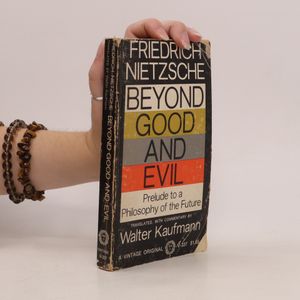


Buchkauf
Beyond Good and Evil, Friedrich Nietzsche
- Sprache

- Erscheinungsdatum
- 2020
Wir benachrichtigen dich per E-Mail.
Hier könnte deine Bewertung stehen.
- Titel
- Beyond Good and Evil
- Sprache
- Englisch
- Autor*innen
- Friedrich Nietzsche
- Verlag
- Martino Fine Books
- Erscheinungsdatum
- 2020
- Seitenzahl
- 160
- ISBN13
- 9781684224883
- Reihe
- Schlagwörter
- Sachbücher, Sozialwissenschaften, Wahre Geschichten, Psychologische Thematik, Philosophisches Thema, Deutsche Literatur, Meinungsjournalismus, 19. Jahrhundert
- Erstveröffentlichung
- 1886
- Originaltitel
- Jenseits von Gut und Böse
- Bewertung
- 4,25 von 5 Sternen
- Beschreibung
- Focusing on a critical examination of morality, Nietzsche challenges traditional philosophical views in this work. He argues that past thinkers have uncritically accepted dogmas, particularly the simplistic dichotomy of good versus evil. Instead, he proposes that these concepts are merely different expressions of the same underlying impulses. Moving "beyond good and evil," Nietzsche advocates for an affirmative approach that embraces the complexity of knowledge and the precarious state of modern existence, encouraging a fearless confrontation with these ideas.