

Mehr zum Buch
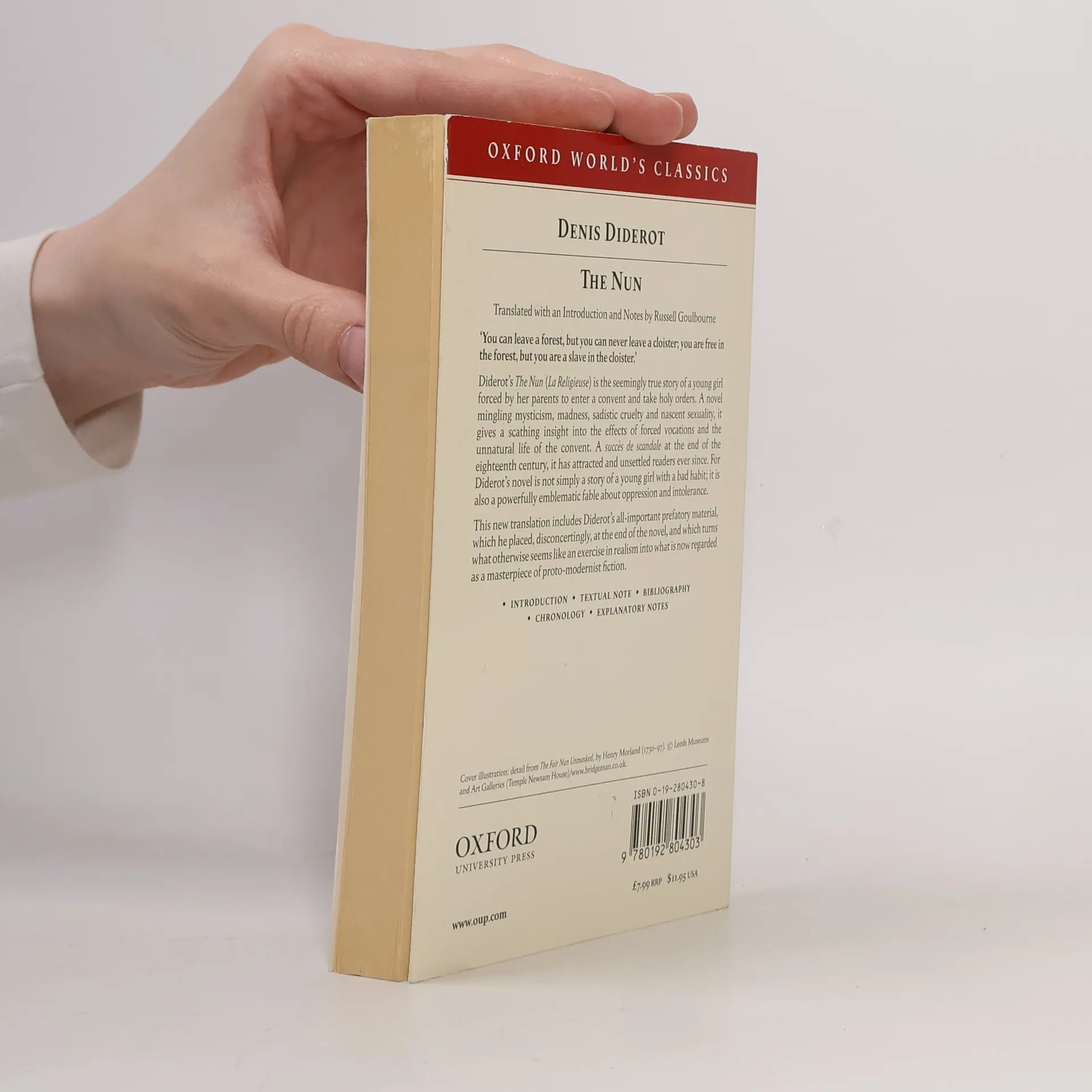
Diderot's The Nun (La Religieuse) is the seemingly true story of a young girl forced by her parents to enter a convent and take holy orders. A novel mingling mysticism, madness, sadistic cruelty and nascent sexuality, it gives a scathing insight into the effects of forced vocations and the unnatural life of the convent. A succès de scandale at the end of the eighteenth century, it has attracted and unsettled readers ever since. For Diderot's novel is not simply a story of a young girl with a bad habit; it is also a powerfully emblematic fable about oppression and intolerance.This new translation includes Diderot's all-important prefatory material, which he placed, disconcertingly, at the end of the novel, and which turns what otherwise seems like an exercise in realism into what is now regarded as a masterpiece of proto-modernist fiction.




Buchkauf
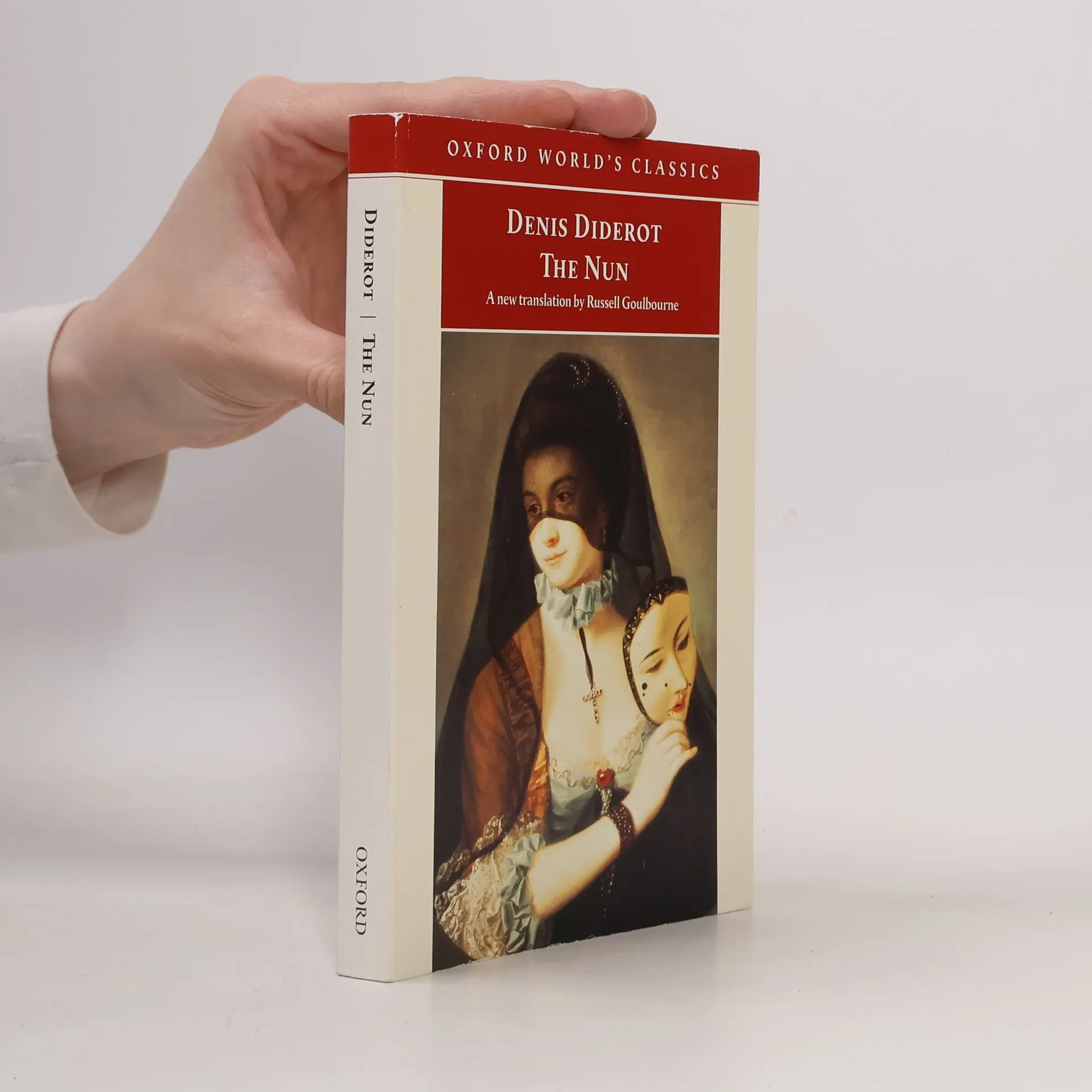
The Nun, Denis Diderot
- Sprache

- Erscheinungsdatum
- 2005
- product-detail.submit-box.info.binding
- (Paperback)
Hier könnte deine Bewertung stehen.
- Titel
- The Nun
- Sprache
- Englisch
- Autor*innen
- Denis Diderot
- Erscheinungsdatum
- 2005
- Einband
- Paperback
- Seitenzahl
- 234
- ISBN10
- 0192804308
- ISBN13
- 9780192804303
- Reihe
- Schlagwörter
- Belletristik, Religiöse Themen, Philosophisches Thema, Liebe, Sci-Fi, Klassiker, Frankreich, Literarische Fiktion, Spaß, Französische Literatur, Gewalt, Satire, 18. Jahrhundert, Schicksal, Intrigen, Aufklärung, Klöster, Abteien, Humorvolle Sci-Fi, Nonnen, Heuchelei
- Erstveröffentlichung
- 1780
- Originaltitel
- La Religieuse
- Bewertung
- 3,75 von 5 Sternen
- Beschreibung
- Diderot's The Nun (La Religieuse) is the seemingly true story of a young girl forced by her parents to enter a convent and take holy orders. A novel mingling mysticism, madness, sadistic cruelty and nascent sexuality, it gives a scathing insight into the effects of forced vocations and the unnatural life of the convent. A succès de scandale at the end of the eighteenth century, it has attracted and unsettled readers ever since. For Diderot's novel is not simply a story of a young girl with a bad habit; it is also a powerfully emblematic fable about oppression and intolerance.This new translation includes Diderot's all-important prefatory material, which he placed, disconcertingly, at the end of the novel, and which turns what otherwise seems like an exercise in realism into what is now regarded as a masterpiece of proto-modernist fiction.